
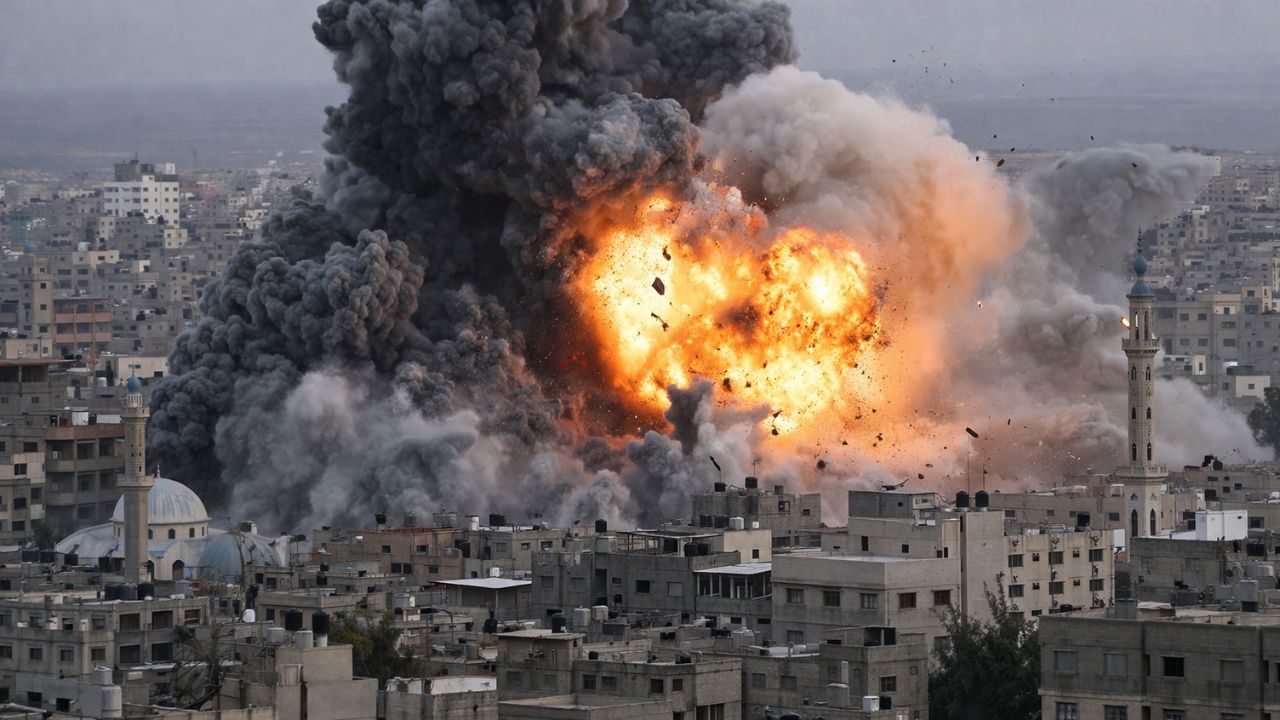
A sharp escalation in regional tensions has pushed multiple Middle Eastern countries to issue urgent travel warnings, with Iran now joining Israel, Jordan, Bahrain, Saudi Arabia, the United Arab Emirates, and Lebanon in advising citizens and travelers to exercise extreme caution. The rapidly evolving situation, marked by explosive strikes and heightened military activity, has raised serious concerns about safety, mobility, and stability across one of the world’s most strategically important regions.
A Region on Edge as Security Risks Intensify
Over recent days, a series of coordinated and retaliatory strikes has dramatically altered the security landscape. Military activity, including missile launches and drone operations, has been reported across several areas, increasing fears of a broader regional conflict.
Governments across the Middle East have responded swiftly by issuing official advisories urging residents and foreign nationals to avoid high-risk zones, limit movement, and remain alert. These warnings reflect growing uncertainty, as the situation continues to shift with little notice.
Iran’s decision to issue a travel alert signals a widening concern, as authorities emphasize the potential for further escalation. The advisory calls on citizens to delay non-essential travel and closely follow official updates.
Countries Issue Coordinated Travel Warnings
The wave of travel advisories is not limited to one nation. Instead, it represents a coordinated regional response aimed at minimizing civilian risk.
Israel has urged its citizens to avoid international travel where possible and remain close to secure locations. Jordan has issued warnings about border areas and advised against unnecessary movement, particularly near sensitive zones.
In the Gulf, Bahrain, Saudi Arabia, and the UAE have taken precautionary steps by advising both residents and visitors to stay informed and avoid crowded public areas. Lebanon, already facing internal economic and political challenges, has also issued alerts as tensions spill over into neighboring territories.
These advisories highlight the interconnected nature of the region, where developments in one country can quickly impact others.
Impact on Air Travel and Transportation
One of the most immediate consequences of the escalating crisis has been disruption to air travel. Several countries have partially or fully restricted their airspace, leading to widespread flight cancellations and rerouting.
Major international airlines have suspended or reduced operations to affected destinations, while others are operating under strict safety protocols. Flights are being diverted to alternative routes, often increasing travel times and costs.
Airports in key hubs such as Dubai, Doha, and Riyadh remain operational but are experiencing delays and reduced schedules. Travelers are being advised to check flight status regularly and avoid heading to airports without confirmed bookings.
Land travel has also become more complicated, with increased security checks and occasional border closures affecting cross-country movement.
Safety Measures and Public Advisories
Authorities across the region are urging both residents and tourists to follow strict safety guidelines. These include:
- Avoiding large gatherings and public events
- Staying updated through official government channels
- Keeping emergency contacts readily available
- Following instructions from local authorities and security personnel
Embassies have activated emergency response systems to assist their citizens, providing updates on evacuation options, safe zones, and travel documentation requirements.
In some cases, governments have advised their nationals to leave certain high-risk areas if safe exit routes are available.
Economic and Tourism Impact
The crisis is already having a noticeable effect on tourism and business travel. The Middle East, known for its major transit hubs and luxury tourism destinations, is experiencing a sharp decline in visitor activity.
Hotels are reporting cancellations, tour operators are suspending services, and major events are being postponed or canceled. Business travel has also slowed as companies reassess safety risks for their employees.
Countries like the UAE and Saudi Arabia, which have invested heavily in tourism infrastructure, are working to maintain stability while prioritizing safety.
Rising Global Concern and Diplomatic Efforts
The situation has drawn attention from governments worldwide, with many countries issuing their own travel advisories for the Middle East. Diplomatic efforts are underway to reduce tensions and prevent further escalation, though progress remains uncertain.
International organizations are closely monitoring developments, and discussions are ongoing to ensure the protection of civilians and critical infrastructure.
The involvement of multiple nations underscores the complexity of the situation, as regional alliances and geopolitical interests continue to shape events on the ground.
What Travelers Should Do Now
For those currently in the Middle East or planning to travel soon, caution is essential.
Travelers should:
- Register with their embassy for updates and assistance
- Keep travel documents secure and accessible
- Monitor news and official advisories regularly
- Be prepared for sudden changes in travel plans
Those with upcoming trips to affected areas are advised to consider postponing or rerouting their plans until the situation stabilizes.
A Critical Moment for Regional Stability
The current wave of travel warnings reflects a critical moment for the Middle East. As Iran joins other nations in issuing urgent alerts, the message is clear: safety remains the top priority amid rapidly escalating tensions.
While the situation continues to evolve, the coordinated response from governments highlights the seriousness of the threat and the need for vigilance.
For travelers and residents alike, staying informed and prepared is essential as the region navigates one of its most volatile periods in recent years.