
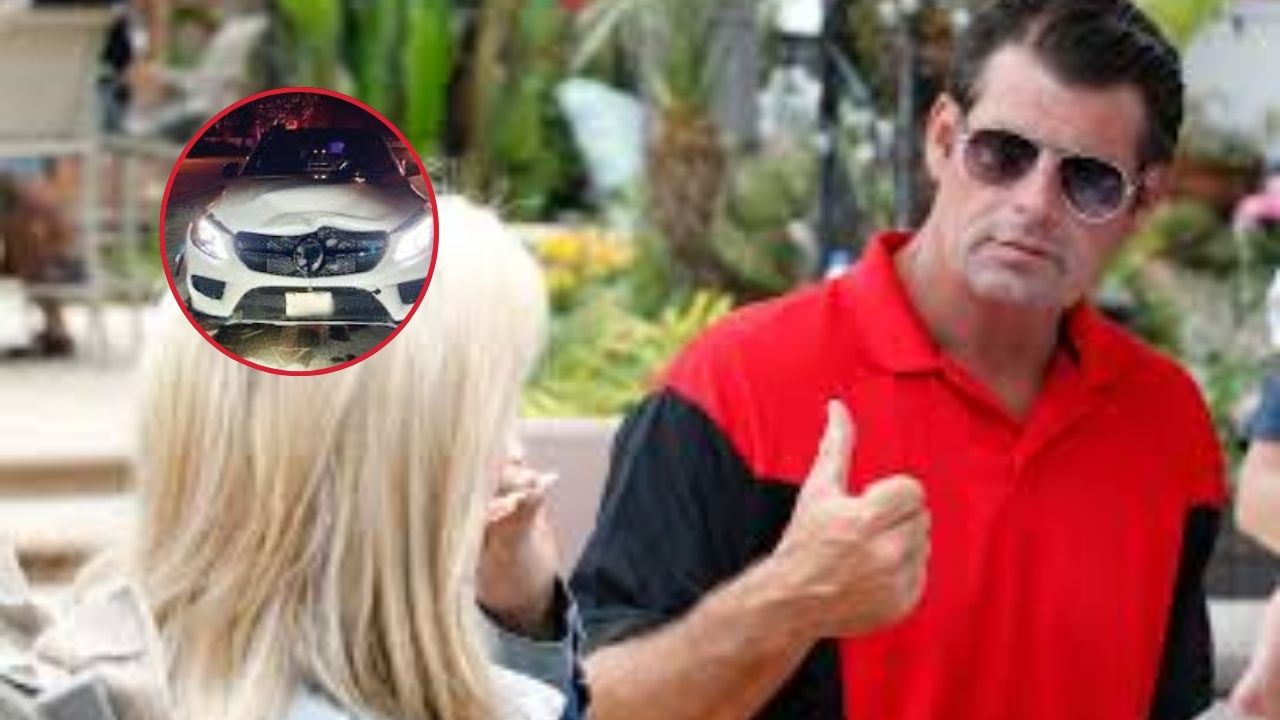
Former Major League Baseball pitcher Scott Erickson has found himself back in the headlines, not for his accomplishments on the baseball field, but because of a landmark civil court decision connected to a tragic crash that claimed the lives of two young brothers in California.
Many people searching online for a “Scott Erickson accident” are trying to understand his connection to the devastating incident. While Erickson was not physically injured in the crash and did not directly strike the victims, a Los Angeles jury concluded in June 2026 that his actions contributed significantly to the circumstances that led to the tragedy.
The verdict resulted in one of the most notable wrongful death awards in recent California legal history.
A Tragic Night in California
The case centers on a fatal collision that occurred on September 29, 2020, in Westlake Village, an affluent community in Los Angeles County.
That evening, two young brothers, 11-year-old Mark Iskander and 8-year-old Jacob Iskander, were crossing a street with family members when they were struck by a vehicle. The crash resulted in the deaths of both children and devastated their family.
The heartbreaking incident immediately attracted widespread public attention and eventually led to both criminal and civil court proceedings.
Years later, the case continues to generate headlines due to its legal complexity and the involvement of high-profile individuals.
Events Leading Up to the Crash
Court testimony revealed that Erickson and his then-girlfriend, socialite Rebecca Grossman, spent part of the evening together before driving home in separate vehicles.
According to evidence presented during legal proceedings, the pair left a local establishment and traveled along roads leading toward Grossman’s residence.
Prosecutors and attorneys for the victims’ family argued that the two drivers were traveling at excessive speeds and engaging in what witnesses described as a street race or speeding contest.
Investigators estimated that the vehicles reached speeds far above the posted limit, creating dangerous conditions for everyone nearby.
These allegations became a central focus of both criminal and civil cases that followed.
What Happened at the Crosswalk?
As the vehicles approached a marked crosswalk, members of the Iskander family were attempting to cross the street.
According to testimony presented during the trials, the boys’ mother was forced to react quickly to avoid one of the speeding vehicles.
Moments later, Grossman’s vehicle struck Mark and Jacob, causing fatal injuries.
Although Grossman was driving the vehicle that directly hit the children, legal arguments later focused on whether Erickson’s driving behavior also contributed to the chain of events that ended in tragedy.
That question ultimately became one of the most important issues examined by jurors.
Criminal and Civil Cases Explained
One reason the case has attracted extensive attention is the difference between the criminal and civil outcomes involving the two defendants.
Rebecca Grossman faced criminal charges and was ultimately convicted of serious offenses, including second-degree murder and vehicular manslaughter. She later received a prison sentence of 15 years to life.
Erickson’s legal path was different.
He faced a misdemeanor reckless driving charge that was eventually dismissed after he completed a safe-driving public service program.
However, the dismissal of the criminal charge did not prevent civil litigation from moving forward.
In a civil case, the legal standard differs from criminal court, allowing jurors to evaluate whether a person’s actions contributed to harm even if they were not criminally convicted.
The June 2026 Verdict
On June 3, 2026, a Los Angeles jury delivered a major decision in the wrongful death lawsuit filed by the boys’ parents, Nancy and Karim Iskander.
Jurors concluded that Erickson and Grossman acted together in a manner that contributed to the fatal collision.
The panel found both parties negligent and determined that their conduct played a substantial role in creating the circumstances that resulted in the deaths of the two children.
As a result, the jury awarded approximately $176 million in damages to the Iskander family.
The verdict represented a significant moment in a case that had already captured public attention for years.
Erickson’s Courtroom Testimony
During the civil trial, Erickson took the witness stand and faced extensive questioning regarding the events of the evening.
Throughout portions of the proceedings, attorneys challenged his description of what happened before and during the crash.
The testimony became a major topic of discussion because of contradictions between various statements and evidence presented in court.
Following the verdict, Erickson reportedly acknowledged that he had not always been completely truthful in earlier testimony.
He also expressed regret about the events surrounding the crash and indicated that he wished he had taken actions that might have prevented the tragedy from occurring.
Those statements became some of the most widely reported moments from the trial.
The Iskander Family’s Fight for Justice
For the Iskander family, the civil lawsuit represented more than a financial case.
The parents spent years pursuing accountability and attempting to highlight the circumstances that led to the deaths of their sons.
Throughout both criminal and civil proceedings, family members repeatedly emphasized the lasting impact of the loss.
The emotional toll of losing two children in a single incident remained a central theme during courtroom hearings and public statements.
While no legal outcome can reverse what happened, the family argued that the verdict delivered an important measure of justice.
A Case That Continues to Draw Attention
The Scott Erickson case remains one of the most discussed wrongful death lawsuits involving a former professional athlete in recent years.
Although Erickson was not the driver who physically struck the victims, jurors concluded that his conduct before the crash played a meaningful role in the events that unfolded.
The June 2026 verdict serves as a reminder that legal responsibility can extend beyond the person directly involved in a collision. Courts may also consider the actions of others whose behavior contributed to dangerous circumstances.
As public interest continues, the case stands as a powerful example of how a few moments of reckless decision-making can lead to consequences that affect countless lives forever.