
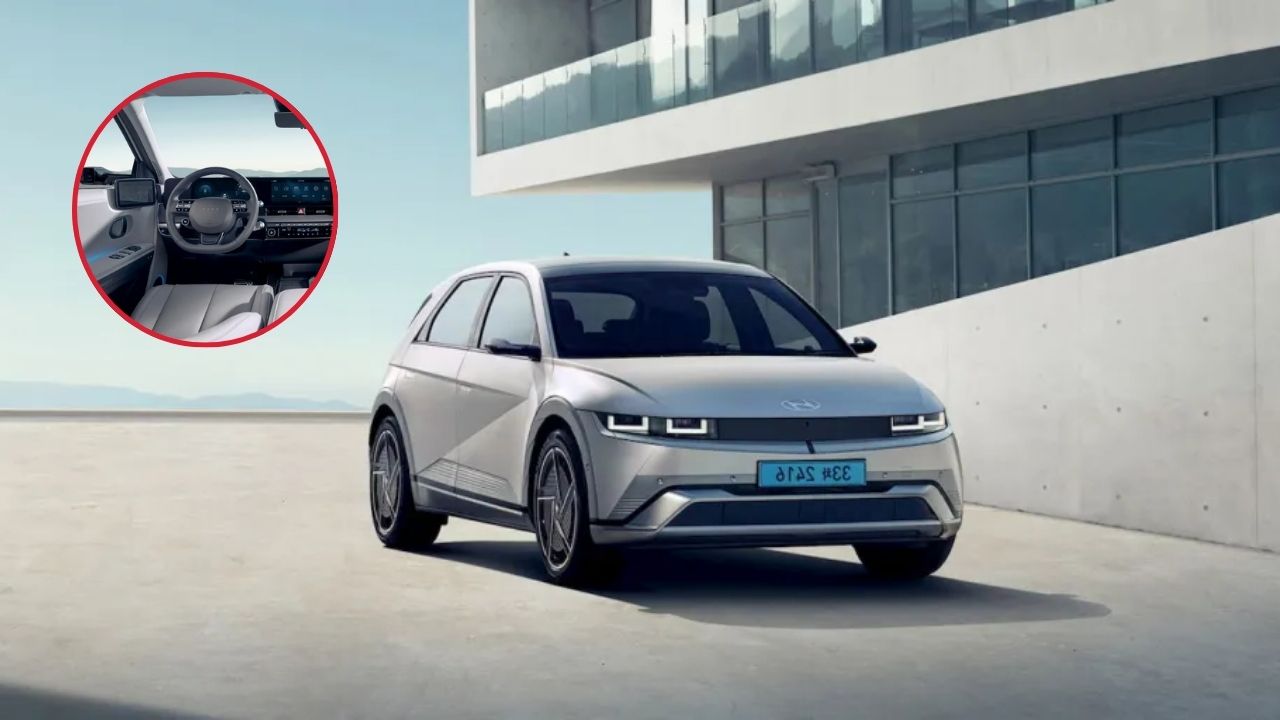
The electric vehicle space in South Korea has become increasingly aggressive, with manufacturers pushing sharper pricing and faster feature upgrades to maintain momentum. In this environment, Hyundai Motor Company has refreshed its popular electric crossover, the Hyundai IONIQ 5, for the 2027 model year. The update, introduced in June 2026, reflects a clear strategy: reduce cost barriers while strengthening product competitiveness against rising global rivals, including Tesla’s mass-market lineup.
Rather than a minor facelift, the new version represents a structural rethink of pricing tiers, equipment distribution, and customer targeting.
Complete Trim Strategy Reset
One of the most significant changes in the 2027 model is the complete reorganization of trim levels. Hyundai has split the lineup into a simplified entry model and a more granular long-range hierarchy.
The standard-range version is now condensed into a single cost-focused variant designed for maximum accessibility. This move reduces confusion in the entry segment while directly targeting price-sensitive buyers.
Meanwhile, the long-range configuration expands into five distinct trims, offering clearer separation between value, comfort, and premium experiences. This restructuring allows buyers to choose more precisely based on budget and feature needs rather than bundled packages.
The strategy signals a shift toward simplified entry pricing combined with flexible premium scaling.
Aggressive Pricing Strategy and Market Positioning
Pricing is the most disruptive aspect of the update. Hyundai has applied noticeable reductions across multiple trims, strengthening its position in the increasingly crowded EV market.
Key pricing highlights include:
- Entry model positioned at approximately 47.35 million won, aimed at maximizing affordability
- Mid-tier variants such as Modern and Premium trims receive cuts of up to 1.6 million won compared to earlier configurations
- Top-tier Inspiration trim remains under pressure pricing while still offering a fully loaded feature set
This restructuring not only improves affordability but also strengthens the vehicle’s competitiveness against similarly priced electric SUVs, especially entry and mid-level versions of the Tesla Model Y.
The pricing approach suggests a deliberate effort to protect market share in both domestic and export-ready segments.
Feature Upgrades Across Trims
Alongside pricing adjustments, the 2027 update introduces a more standardized feature distribution. Hyundai has streamlined which technologies are available across different levels, ensuring even mid-range trims receive meaningful upgrades.
Key enhancements include improved comfort packages, expanded driver assistance availability, and broader inclusion of convenience features that were previously limited to higher trims.
Higher variants also benefit from upgraded seating configurations, enhanced passenger comfort systems, and improved cabin usability features designed for long-distance driving efficiency.
This redistribution reduces the gap between mid and premium trims while maintaining differentiation through advanced technologies in top-tier versions.
Technology and Cabin Evolution
The cabin experience in the refreshed IONIQ 5 continues to emphasize digital integration and user-centric design. Dual 12.3-inch displays remain central to the interface, supporting seamless connectivity with smartphone ecosystems.
Wireless smartphone integration, including Apple CarPlay and Android Auto, remains standard, ensuring continuity in infotainment usability. However, the focus for 2027 is refinement rather than redesign.
Hyundai has also increased the availability of high-power USB-C charging points, supporting modern multi-device usage patterns inside the vehicle. This aligns with broader consumer expectations in the EV segment, where in-car productivity and connectivity are becoming essential.
The result is a more uniform digital experience across trims, reducing the perception gap between entry-level and premium configurations.
Enhanced Safety Systems and Driver Assistance
Safety continues to be a core focus area in the updated model. Higher trims now integrate expanded parking assistance systems and multi-angle collision avoidance technologies.
These include surround monitoring systems and advanced automated parking assistance that can operate in tighter urban environments. Remote parking support has also been improved, offering better control in constrained spaces.
By extending advanced safety systems into more trims, Hyundai is pushing toward a broader democratization of driver assistance technologies, rather than restricting them to flagship variants.
This approach not only improves safety adoption rates but also strengthens brand perception in technology-driven markets.
Competitive Pressure and Tesla Benchmarking
The timing and structure of this update clearly reflect competitive pressure in the global EV sector. The Tesla Model Y remains a benchmark in the mid-size electric SUV category, particularly in software integration and global scalability.
By introducing sharper pricing and improving feature accessibility, Hyundai is positioning the IONIQ 5 as a more value-dense alternative. While Tesla emphasizes software-led differentiation, Hyundai is focusing on hardware refinement, cost optimization, and balanced feature distribution.
This contrast highlights two different EV strategies: software-centric expansion versus manufacturing-led efficiency optimization.
Market Outlook and Strategic Direction
The 2027 refresh indicates a broader shift in Hyundai’s EV philosophy. Instead of relying on periodic generational overhauls, the company appears to be adopting a continuous optimization model that adjusts pricing, trims, and features in response to market dynamics.
This approach may help the brand remain competitive in rapidly evolving EV segments, where pricing pressure and technology expectations change quickly.
If successful, the strategy could establish the IONIQ 5 lineup as a long-term volume driver in both domestic and international markets. It also signals that future EV competition will not only be about range or performance, but increasingly about pricing architecture and feature accessibility.