
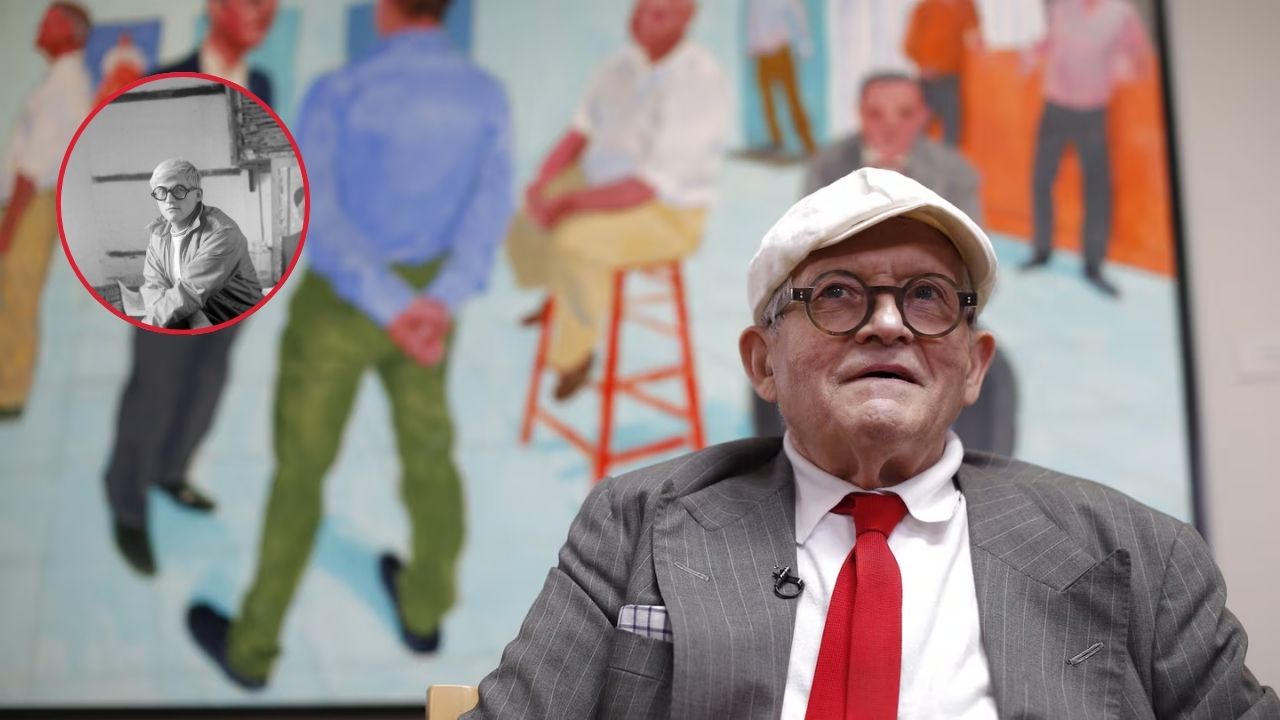
The art world has lost one of its most influential and recognizable figures with the death of David Hockney at the age of 88. Widely regarded as one of the defining artists of the modern era, Hockney passed away peacefully at his home in London on June 11, 2026, according to a statement released by his publicist, Erica Bolton.
His death marks the end of an extraordinary career that transformed contemporary art over more than seven decades. From groundbreaking Pop Art works to revolutionary digital creations, Hockney consistently pushed artistic boundaries while remaining one of the most celebrated living artists in the world.
David Hockney’s Cause of Death
An exact medical cause of death has not been publicly disclosed by Hockney’s representatives.
However, reports indicated that the renowned artist had been experiencing declining health in recent years. His passing was confirmed shortly after his death, with family members and close associates honoring his remarkable life and contributions to global culture.
The artist died peacefully at his London residence, surrounded by the people closest to him. News of his death quickly spread throughout the international art community, prompting tributes from museums, galleries, collectors, fellow artists, and admirers worldwide.
A Giant of Modern Art
David Hockney was far more than a successful painter. He became one of the most influential creative voices of the twentieth and twenty-first centuries.
Born in Bradford, England, Hockney emerged during the 1960s as a leading figure in the Pop Art movement. His distinctive style, bold use of color, and innovative approach to visual storytelling quickly set him apart from his contemporaries.
Unlike many artists who remained committed to a single medium, Hockney continually reinvented his work. Throughout his career, he explored painting, drawing, photography, printmaking, stage design, and digital technology, constantly seeking new ways to express his ideas.
His willingness to experiment helped him remain culturally relevant for decades while attracting new generations of admirers.
The Paintings That Defined an Era
Among Hockney’s most famous works are his vibrant California swimming pool paintings.
After moving to Los Angeles, he became fascinated by the city’s bright light, modern architecture, and outdoor lifestyle. These influences inspired a series of iconic paintings featuring pools, sunshine, and contemporary domestic scenes.
The works captured a sense of freedom and optimism while showcasing his mastery of composition and color. Many of these paintings became symbols of modern art and remain instantly recognizable around the world.
His ability to transform ordinary scenes into visually striking masterpieces helped establish his reputation as one of the greatest painters of his generation.
Breaking Records at Auction
David Hockney’s influence extended beyond museums and galleries into the global art market.
One of his most celebrated works, Portrait of an Artist (Pool with Two Figures), achieved international headlines when it sold for nearly £70 million, or approximately $90.3 million, at auction in 2018.
At the time, the sale set a record for the most expensive artwork ever sold by a living artist. The achievement highlighted both the cultural significance of Hockney’s work and the extraordinary demand among collectors.
The record-breaking sale further cemented his status as one of the most important artists of the modern era.
A Voice for Representation
Beyond his artistic achievements, Hockney played a significant role in expanding representation within the art world.
Many of his works openly explored themes of identity, love, and relationships at a time when homosexual relationships remained heavily restricted and socially stigmatized in many parts of society.
His paintings documented personal experiences and everyday moments with honesty and confidence. In doing so, he helped create greater visibility for LGBTQ+ lives through mainstream art.
Historians often credit Hockney with challenging cultural barriers while offering a more inclusive vision of modern life.
Constant Innovation
One reason David Hockney remained relevant throughout his career was his embrace of new technology.
While many artists of his generation remained focused on traditional methods, Hockney enthusiastically explored digital tools. He created artworks using computers, cameras, tablets, and iPads, proving that technology could serve as a legitimate artistic medium.
His digital landscapes and tablet-based drawings attracted widespread attention and demonstrated his belief that creativity should evolve alongside technological change.
Even in his later years, he continued experimenting with fresh ideas, inspiring artists who sought to combine traditional techniques with modern innovation.
Family and Loved Ones
David Hockney is survived by his husband and longtime partner, Jean-Pierre Goncalves de Lima.
He also leaves behind two brothers, extended family members, close friends, and countless admirers across the globe.
Those who knew him personally often described him as curious, energetic, and deeply passionate about art. His enthusiasm for creativity remained evident throughout his life and continued to influence everyone around him.
The support and companionship of loved ones played an important role in his personal journey and artistic success.
A Legacy That Will Endure
Few artists leave behind a legacy as extensive and influential as David Hockney’s.
From his groundbreaking contributions to Pop Art to his pioneering use of digital technology, he consistently challenged conventional ideas about what art could be. His work can be found in major museums, prestigious private collections, and public exhibitions around the world.
More importantly, his art changed how people viewed color, perspective, technology, and personal identity.
As tributes continue to arrive from across the international art community, David Hockney’s impact remains undeniable. Although his death marks the end of an extraordinary life, his paintings, photographs, and digital creations will continue inspiring future generations for decades to come.
His artistic vision transformed contemporary culture, ensuring that his name will remain among the most celebrated figures in modern art history.