
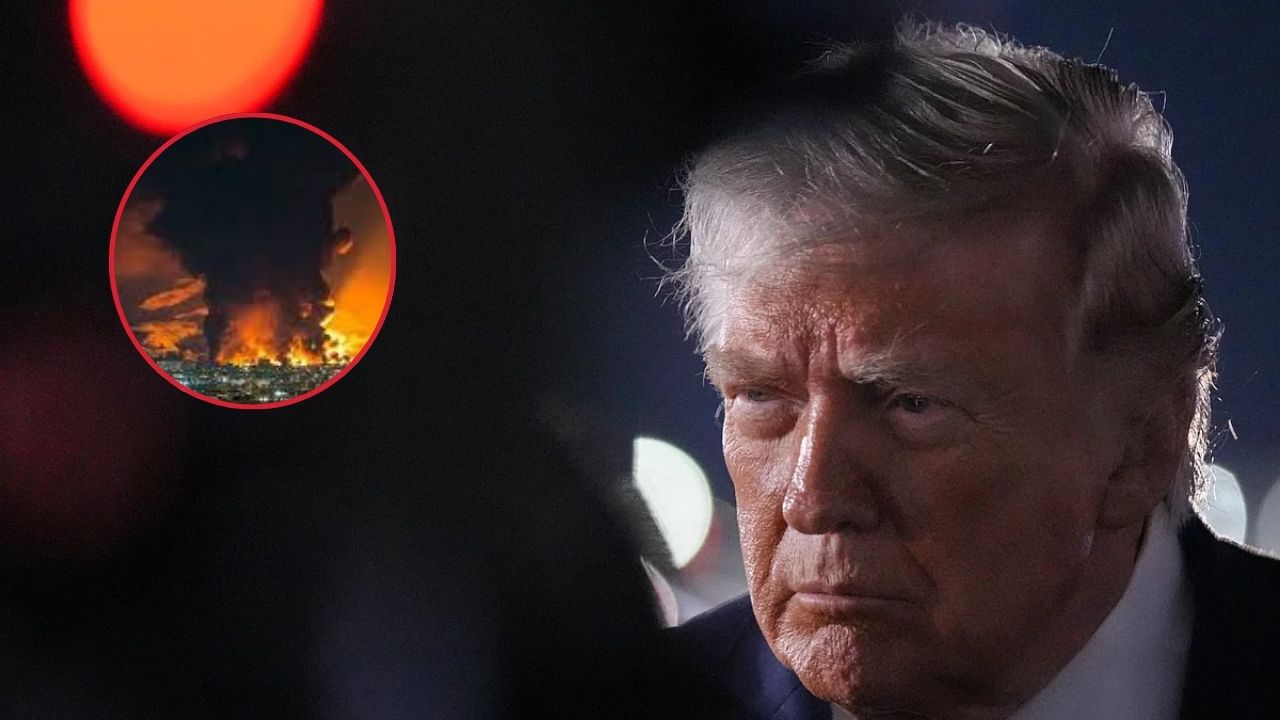
ongoing confrontation between the United States and Iran has entered another volatile phase, with political analysts increasingly focusing on President Donald Trump’s unconventional approach to crisis management. Commentators across major international publications have described the president’s strategy as a fast-moving cycle of military pressure and diplomatic outreach, creating uncertainty for allies, adversaries, and financial markets alike.
The debate intensified following developments on June 11 and 12, 2026, when Trump moved from issuing some of his strongest warnings yet against Iran to publicly suggesting that a major diplomatic breakthrough could be only days away.
For supporters, the strategy reflects an aggressive negotiating style designed to maximize leverage. Critics, however, argue that the rapid shifts between confrontation and conciliation risk undermining credibility and complicating efforts to achieve a lasting resolution.
A Dramatic Shift in Tone
The latest example of Trump’s approach emerged after a series of military exchanges between the United States and Iran.
Following reports that Iranian forces had targeted American military installations in the region, Trump adopted a highly confrontational stance. Through public statements and social media posts, he warned of severe consequences and suggested that U.S. forces were prepared to launch significant retaliatory operations.
The rhetoric represented one of the strongest warnings issued since the conflict began earlier in the year.
Observers noted that the language appeared intended to demonstrate American resolve while increasing pressure on Tehran during a critical stage of the crisis.
Yet within hours, the tone changed dramatically.
From Airstrikes to Negotiations
After signaling the possibility of major military action, Trump unexpectedly announced that planned strikes would not proceed.
Instead, he shifted attention toward diplomacy, claiming that discussions involving senior Iranian decision-makers had reached an advanced stage.
The president suggested that a significant agreement could be finalized within days and indicated that senior U.S. officials might participate in upcoming talks in Europe.
The sudden transition from military threats to optimistic predictions of peace immediately attracted global attention.
Many analysts described the sequence as one of the clearest examples yet of Trump’s tendency to combine pressure tactics with last-minute diplomatic openings.
The Logic Behind the Strategy
Supporters of the administration argue that the apparent contradictions are part of a broader negotiating framework.
According to this interpretation, the threat of overwhelming military force is intended to create urgency and encourage concessions from Iranian leaders. By maintaining the possibility of escalation, Washington seeks to strengthen its bargaining position during negotiations.
Advocates of this approach believe uncertainty can become a strategic asset.
If opponents remain unsure whether military action or diplomacy will follow, they may be more inclined to engage in serious discussions rather than risk confrontation.
This theory aligns with Trump’s long-established reputation for high-pressure dealmaking, both in business and politics.
Critics See Mixed Signals
Not everyone agrees that the strategy is effective.
Political commentators have argued that repeatedly alternating between threats and diplomatic announcements may create confusion rather than leverage.
Several analysts have pointed out that predictions of an imminent breakthrough have surfaced multiple times since the conflict began. In many instances, hopes for a settlement were followed by renewed military exchanges and rising tensions.
Critics contend that frequent shifts in messaging make it difficult for both allies and adversaries to determine Washington’s actual objectives.
Some foreign policy experts also warn that inconsistent communication can weaken trust during sensitive negotiations, particularly when multiple countries are involved in mediation efforts.
Iran’s Response
Iranian officials have openly criticized the American approach.
Representatives from Tehran have argued that conflicting messages from Washington complicate diplomatic engagement and make meaningful progress more difficult.
Iran’s leadership has repeatedly stated that negotiations require clarity, consistency, and realistic expectations from all parties involved.
Officials have also expressed concern about sudden changes in public demands and policy positions, arguing that such shifts create additional obstacles during already complex discussions.
These criticisms reflect the broader challenge of managing diplomacy amid an active military confrontation.
Regional Mediators Play a Key Role
Several countries in the Middle East and South Asia have become increasingly involved in efforts to reduce tensions.
Regional governments have worked behind the scenes to encourage dialogue and prevent further escalation between Washington and Tehran.
Diplomatic observers note that nations including Pakistan, Qatar, Saudi Arabia, and the United Arab Emirates have all sought to promote communication between the opposing sides.
These countries have strong interests in maintaining regional stability and avoiding a wider conflict that could affect trade, energy markets, and security throughout the region.
Their involvement has added another layer of complexity to an already challenging diplomatic environment.
Pressure From Allies
The administration also faces competing pressures from key international partners.
While some allies support continued efforts to negotiate an agreement, others favor a tougher stance toward Tehran.
Particular attention has focused on differing views within the broader coalition of countries involved in regional security matters.
Analysts note that balancing these competing interests requires careful diplomacy, especially when military actions and negotiations are occurring simultaneously.
The challenge for Washington is maintaining unity among partners while pursuing its own strategic objectives.
What Happens Next?
The future direction of the conflict remains uncertain.
Much will depend on whether current diplomatic contacts produce tangible results or whether military tensions once again overshadow negotiations.
Investors, governments, and security analysts are closely monitoring developments, recognizing that decisions made in the coming days could significantly influence regional stability.
For now, Trump’s approach continues to generate intense debate.
Supporters view it as a calculated strategy designed to force concessions through maximum pressure. Critics see a pattern of unpredictable messaging that may complicate efforts to achieve a sustainable agreement.
Regardless of perspective, one fact remains clear: the combination of military threats and diplomatic outreach has become a defining feature of the administration’s handling of the Iran crisis.
As negotiations continue and regional tensions remain high, the world will be watching closely to see whether this high-risk strategy ultimately produces a breakthrough—or leads to another cycle of confrontation.