
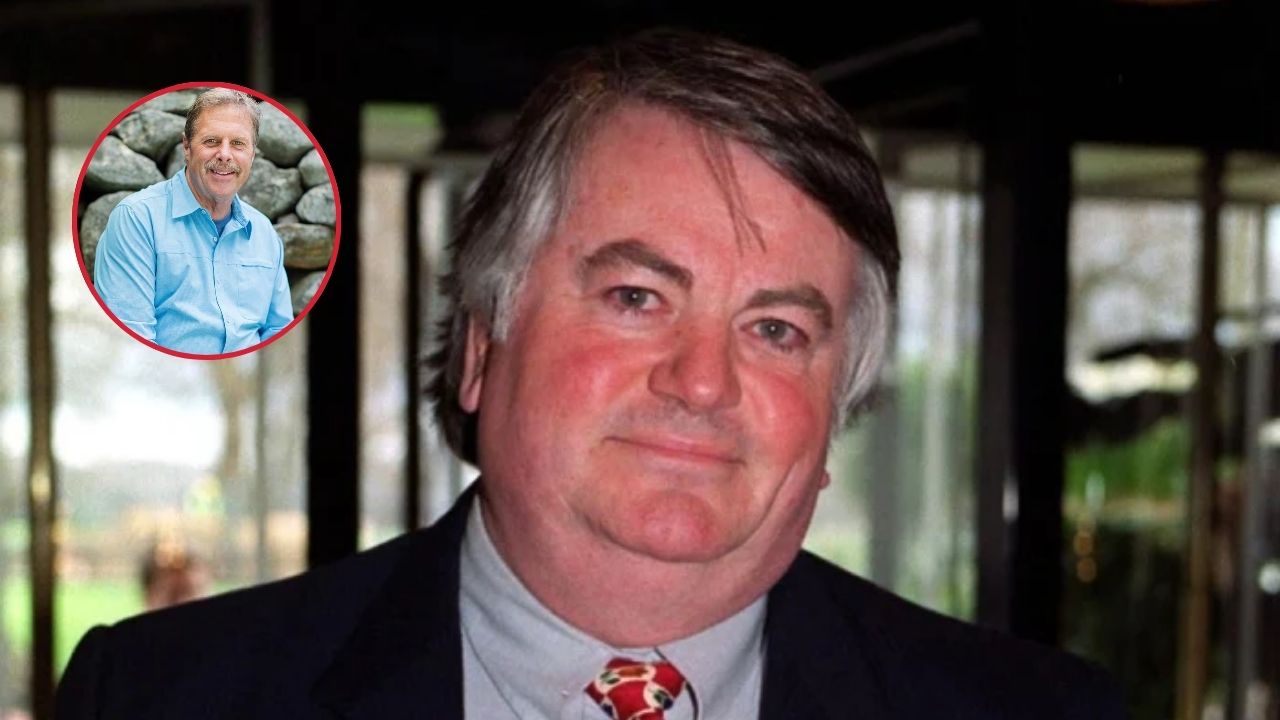
The world of British journalism is mourning the loss of Roger Cook, the fearless investigative reporter whose confrontational reporting style transformed television journalism for generations. Cook died peacefully on June 13, 2026, at the age of 83 after a short illness, bringing to a close a remarkable career that helped redefine investigative broadcasting in the United Kingdom.
Best known as the face of The Cook Report, Cook spent decades exposing corruption, criminal enterprises, and social injustices. His groundbreaking work earned widespread respect from colleagues, viewers, and media organizations, while his determination to confront wrongdoers face-to-face became a hallmark of modern investigative journalism.
Following news of his passing, tributes poured in from across the media industry, honoring a reporter whose work left a lasting impact on British public life.
What Was Roger Cook’s Cause of Death?
Roger Cook died following a short illness linked to a cancerous tumour discovered at the base of his spine.
According to reports released by his family and media organizations, Cook spent the final three weeks of his life receiving treatment at Royal United Hospitals Bath. Medical teams had identified a cancerous growth affecting his lower spine, and he remained under care during his final days.
His family later confirmed that he passed away peacefully surrounded by loved ones.
While the spinal tumour was the immediate health issue associated with his final illness, Cook had previously faced other serious cancer diagnoses during his later years.
Previous Health Battles
The respected broadcaster had already overcome significant health challenges before his final illness.
Over the years, Cook reportedly survived separate battles with prostate cancer and bladder cancer. Those experiences demonstrated the resilience that colleagues often associated with his professional career.
Despite recurring health difficulties, he remained engaged with journalism and public affairs long after many of his contemporaries had retired.
Friends and colleagues frequently described him as someone who approached personal challenges with the same determination he displayed when pursuing investigative stories.
From New Zealand to British Broadcasting
Although widely associated with British television, Roger Cook was born in New Zealand in 1943.
He later moved to the United Kingdom, where he built a career that would eventually make him one of the country’s most recognizable journalists.
His early years in broadcasting focused on uncovering stories that others either overlooked or avoided. That commitment to pursuing difficult investigations quickly distinguished him from many reporters of his era.
Over time, his work helped establish a new standard for accountability journalism in British media.
The Birth of a New Reporting Style
Cook is often credited with pioneering the aggressive “doorstep interview” technique that later became common in investigative reporting.
Rather than relying solely on official statements or studio interviews, he frequently confronted individuals directly, often appearing unexpectedly outside homes, businesses, or workplaces.
These encounters became a defining feature of his journalism.
His willingness to challenge suspected wrongdoers face-to-face created dramatic television moments while also forcing public attention onto issues that might otherwise have remained hidden.
The approach influenced countless reporters who followed in his footsteps.
Success With Checkpoint
Before becoming a television icon, Cook established his reputation through the BBC Radio 4 program Checkpoint.
The show focused on consumer issues, fraud investigations, and public accountability. It gave Cook an opportunity to develop many of the reporting methods that would later make him famous.
Listeners appreciated his persistence and willingness to pursue answers on behalf of ordinary people.
The success of Checkpoint helped lay the foundation for the next major chapter of his career.
The Cook Report Becomes a Television Phenomenon
In 1987, Cook launched what would become his most famous project: The Cook Report.
The ITV investigative series quickly attracted millions of viewers and became one of Britain’s most influential current affairs programs.
At its peak, the show regularly drew audiences approaching 10 million people. Viewers tuned in to watch Cook and his team expose criminal operations, dishonest businesses, and dangerous schemes affecting the public.
The combination of investigative rigor and dramatic storytelling made the program a major success.
For more than a decade, it remained one of the most respected investigative series on British television.
Exposing Criminal Networks
Throughout his career, Cook tackled some of the most difficult and controversial subjects in journalism.
His investigations targeted organized crime groups, fraudulent businesses, child exploitation networks, illegal wildlife trafficking operations, and protection rackets.
Many of his reports generated significant public discussion and, in some cases, prompted law enforcement action or policy changes.
His willingness to place himself in potentially dangerous situations earned admiration from colleagues and viewers alike.
The risks associated with his reporting led some observers to describe him as one of Britain’s bravest journalists.
Recognition and Industry Honors
Cook’s influence on journalism extended far beyond ratings and public attention.
In 1997, he received a Special BAFTA Award recognizing 25 years of excellence in investigative reporting. The honor reflected both the quality of his work and the broader impact he had on British broadcasting.
His contributions helped elevate investigative journalism into a central component of television news and current affairs programming.
Numerous journalists have since cited him as a major inspiration for their own careers.
Tributes Following His Death
Following the announcement of his passing, tributes emerged from media organizations, broadcasters, and former colleagues.
ITV praised Cook’s groundbreaking contributions to investigative journalism and highlighted the role his reporting played in bringing important issues to public attention.
Many tributes emphasized his courage, persistence, and commitment to uncovering the truth.
Others remembered him as a mentor whose influence shaped generations of journalists entering the profession.
The widespread reaction demonstrated the respect he earned throughout the industry.
Family and Personal Life
Away from television cameras, Cook maintained a close connection with his family.
He is survived by his wife, Frances Knox, and his daughter, Belinda. Those closest to him have remembered him not only as a celebrated journalist but also as a devoted husband, father, and friend.
While much of his public life revolved around investigations and reporting, family members often described a more personal side characterized by humor, curiosity, and compassion.
These qualities remained important throughout his life and career.
Remembering Roger Cook’s Legacy
Roger Cook leaves behind one of the most influential legacies in British journalism.
His fearless reporting style changed the way investigative stories were told and inspired countless journalists to pursue difficult truths. Through Checkpoint, The Cook Report, and decades of groundbreaking investigations, he helped hold powerful individuals and organizations accountable.
Although his death followed a short illness involving a cancerous spinal tumour, his life’s work continues to influence journalism today.
For many viewers, Roger Cook will be remembered as the reporter who refused to look away, challenged wrongdoing wherever he found it, and helped shape modern investigative broadcasting through courage, determination, and an unwavering commitment to the public interest.