
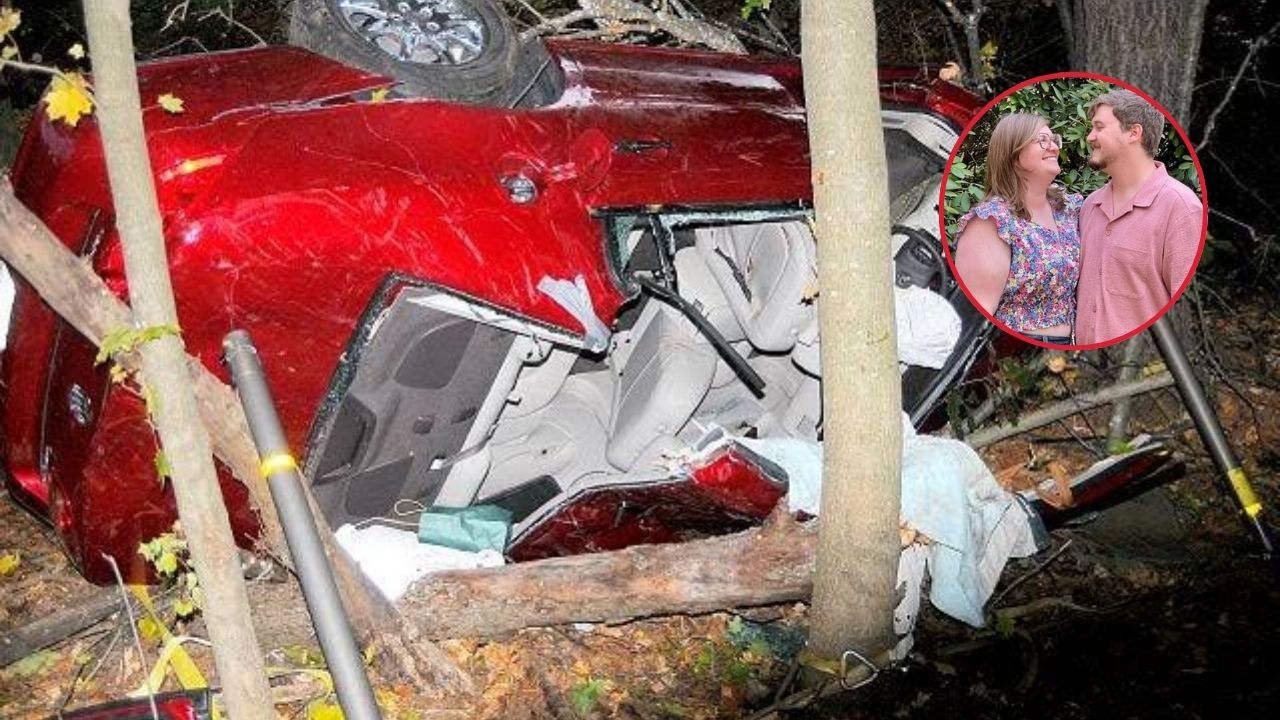
Searches for “Katie Ahern accident” have increased online in recent years, but many people are surprised to learn that there is no widely documented public accident involving a well-known individual by that exact name.
Instead, search results often lead to a mix of unrelated news stories, public figures, and accidents involving people with similar names. This has created confusion for readers trying to identify whether a specific incident involving Katie Ahern actually occurred.
Understanding why these search results appear requires looking at several separate stories that frequently become connected through internet searches, social media discussions, and search engine algorithms.
No Major Public Accident Linked to Katie Ahern
At present, there is no nationally recognized or extensively reported accident involving a public figure named Katie Ahern.
Unlike many viral news stories that generate widespread media coverage, searches for Katie Ahern do not consistently point to a single event, location, or individual.
Instead, internet users often encounter unrelated articles that include either the same surname or similar first names. As a result, people searching for information may mistakenly assume there was a major accident involving someone named Katie Ahern when no such widely reported case exists.
This confusion is common online, particularly when names overlap with journalists, athletes, celebrities, or victims of unrelated incidents.
The Journalism Connection
One reason the name appears in accident-related searches is because Katie Ahern has been associated with news reporting.
In some online archives, Katie Ahern is listed as a journalist or byline author connected to articles covering serious traffic accidents and public safety incidents.
One frequently referenced example involves reporting on a fatal rollover crash in New Hampshire. Because her name appears on the article, search engines sometimes associate “Katie Ahern” with the accident itself.
However, in this situation, she was reporting on the event rather than being involved in it.
This distinction is often lost when readers encounter search results without reviewing the full context.
Similar Names Create Confusion
Search engines frequently group together names that appear similar.
As a result, searches for Katie Ahern sometimes display stories involving people named Katie, Katherine, Kate, or individuals with surnames that resemble Ahern.
The practice is designed to help users find potentially relevant information, but it can also create misunderstandings when unrelated stories become connected through search suggestions.
Over time, repeated searches can reinforce these associations, causing entirely separate events to appear linked even when no relationship exists.
This phenomenon is one of the main reasons the phrase “Katie Ahern accident” continues to attract attention online.
The Katie Flynn Tragedy
Another story that occasionally appears in search results involves Katie Flynn, a young girl whose death in a drunk-driving crash received significant media coverage.
The heartbreaking incident occurred when a wrong-way driver caused a devastating head-on collision.
Although the case had no connection to Katie Ahern, search engines sometimes display the story because of the shared first name.
The emotional impact of the Flynn tragedy helped keep the story in public memory for many years, contributing to its continued visibility online.
People researching Katie Ahern may therefore encounter references to Katie Flynn despite the complete lack of any connection between the two names.
Katie Maloney’s Well-Known Accident
Search results can also lead users to stories involving reality television personality Katie Maloney.
Years before becoming a recognizable television figure, Maloney survived a severe accident after falling through a skylight from a significant height.
The incident caused serious injuries, including a traumatic brain injury and multiple fractures.
Her recovery journey became widely discussed among fans and media outlets.
Because the story involves someone named Katie and is often described using the word “accident,” it occasionally appears alongside searches for Katie Ahern.
Again, there is no relationship between the two individuals, but the similarity in names can create confusion for readers.
Sports-Related Search Results
Another source of misunderstanding comes from athlete-related accident stories.
Professional mountain biker Kye A’Hern has received media attention following several competitive racing crashes during his career.
Because the surname A’Hern closely resembles Ahern, search engines sometimes include these stories among related search results.
Sports injuries and competition crashes frequently attract substantial online attention, making them highly visible in search rankings.
As a result, users searching for Katie Ahern may unexpectedly find reports involving Kye A’Hern and mistakenly believe there is a connection.
How Search Algorithms Influence Results
Modern search engines rely on complex systems that identify patterns between names, topics, and user behavior.
When large numbers of people search for similar terms, algorithms may begin displaying related content even if it is not directly connected.
This process helps users discover information but can occasionally create inaccurate assumptions.
For example, a person searching for “Katie Ahern accident” may click on a story involving a different Katie or a different Ahern. Over time, repeated interactions can reinforce the connection within search suggestions.
The result is a collection of loosely related stories rather than a single verified event.
The Importance of Verification
The confusion surrounding Katie Ahern highlights the importance of verifying information before drawing conclusions.
A name appearing alongside an accident article does not necessarily mean that person was involved in the incident.
Readers should always examine the source, publication date, and context of a story before sharing or relying on information.
This is especially important when dealing with personal names, where multiple individuals may share similar identities.
Careful fact-checking helps prevent misinformation and ensures that unrelated people are not mistakenly linked to tragic events.
Understanding the Search Trend
Ultimately, the phrase “Katie Ahern accident” appears to be driven more by online search behavior than by a specific, widely documented incident.
The name is frequently connected to reporting, similar-sounding surnames, and unrelated accident stories involving other individuals named Katie.
While these stories may appear together in search results, they represent separate events with no confirmed connection to a public accident involving Katie Ahern herself.
For readers researching the topic, understanding these distinctions helps separate verified facts from search-engine confusion and provides a clearer picture of why the phrase continues to generate interest online.