
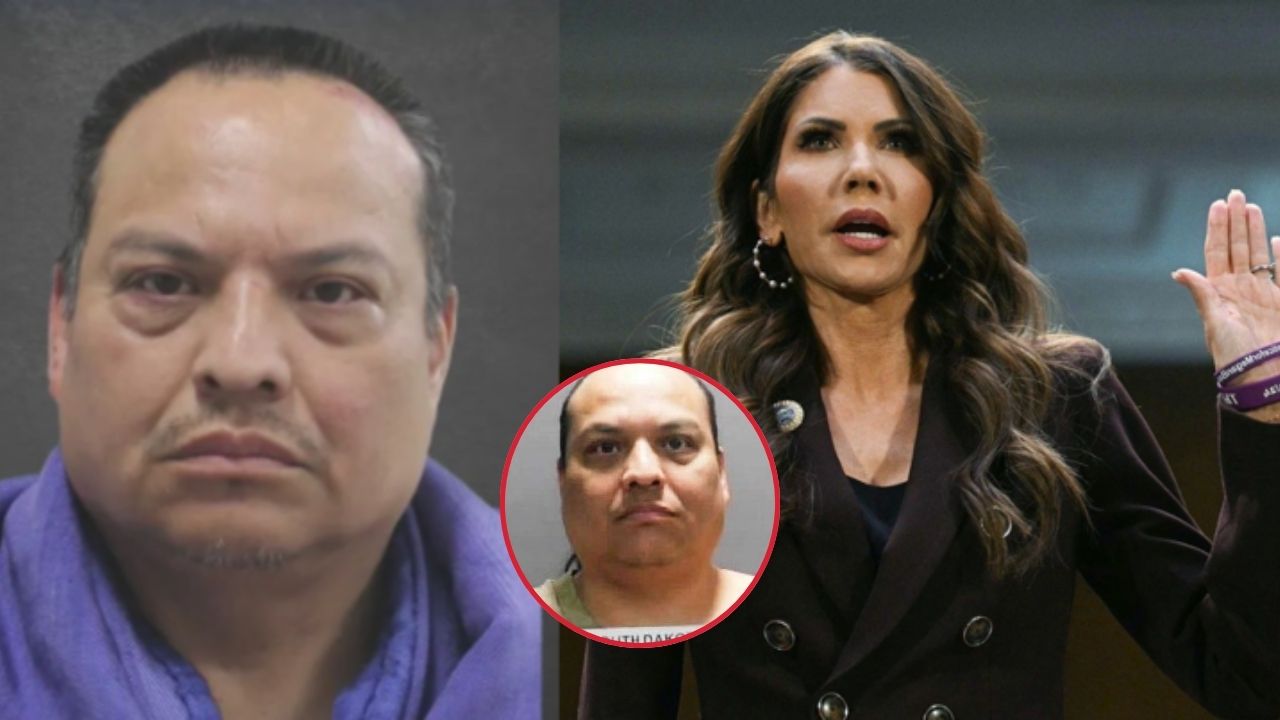
A federal criminal case out of South Dakota has sparked nationwide attention after prosecutors accused a previously convicted killer of crimes connected to the death of his 14-year-old niece. The case has generated intense debate not only because of the serious allegations but also because the suspect had been released from prison after receiving clemency from then-Governor Kristi Noem.
Federal authorities allege that 51-year-old Mark Milk played a central role in events that led to the death of McKenna Wendel, a South Dakota teenager whose disappearance in March 2026 triggered a large-scale search effort. The subsequent indictment has renewed scrutiny of Milk’s criminal history and the decision that ultimately allowed him to return to society.
Teen’s Disappearance Sparks Search
The case began when McKenna Wendel was reported missing from Sioux Falls, South Dakota, on March 13, 2026.
Family members, law enforcement officers, volunteers, and community supporters quickly joined efforts to locate the teenager. As days passed without answers, concern intensified throughout the region.
Authorities pursued multiple leads while attempting to establish McKenna’s movements before she disappeared. The search attracted significant public attention, with residents closely following developments and hoping for her safe return.
Unfortunately, the outcome would prove tragic.
Body Found Days Later
Five days after McKenna was reported missing, search teams made a devastating discovery.
On March 19, investigators recovered her body from a rural creek near Brookings, South Dakota. The discovery shifted the focus of the investigation from a missing person case to a criminal inquiry aimed at determining how she died and who might be responsible.
Law enforcement agencies immediately began collecting evidence and interviewing potential witnesses.
The investigation eventually expanded beyond state authorities and drew the involvement of federal prosecutors.
Federal Indictment Unsealed
Months after the discovery, federal officials announced charges against Mark Milk.
According to the indictment, prosecutors allege Milk transported McKenna across state lines with the intention of engaging in criminal sexual activity. Federal authorities also accuse him of providing cocaine that directly caused the teenager’s death.
The indictment contains multiple criminal counts that carry potentially severe penalties if proven in court.
As with all criminal cases, the charges represent allegations, and the defendant remains entitled to the presumption of innocence unless convicted.
The federal government has indicated that it intends to pursue the case aggressively.
Second Man Also Charged
The investigation did not stop with Milk.
Federal prosecutors also charged 38-year-old Jon Rogness, alleging that he participated in efforts to conceal aspects of the crimes after McKenna’s death.
Authorities claim Rogness assisted in activities designed to hinder investigators and obstruct the discovery of evidence.
The charges against him differ from those filed against Milk but remain connected to the broader investigation into the teenager’s death.
Prosecutors argue that both cases reveal an effort to conceal criminal conduct from law enforcement authorities.
A Family Tragedy
One aspect of the case that has particularly shocked the public is the family relationship between the victim and the primary defendant.
According to authorities, Mark Milk was McKenna Wendel’s uncle.
Cases involving trusted relatives often generate especially strong public reactions because families are expected to provide safety and protection for children. The allegations outlined in federal court documents have therefore drawn significant emotional responses throughout South Dakota.
For McKenna’s family, the criminal proceedings come amid the grief of losing a young family member under tragic circumstances.
The case has left many community members searching for answers.
The Clemency Decision Revisited
The indictment has also revived debate surrounding a controversial clemency decision made several years earlier.
Before his release, Milk had been serving a life sentence without parole stemming from a 1993 homicide case. He was convicted in connection with a fatal beating and stabbing and remained incarcerated for decades.
In February 2023, then-Governor Kristi Noem commuted his sentence from life without parole to a 240-year sentence. While the change did not eliminate his punishment, it made him eligible for parole consideration under state law.
After a successful parole process, Milk was released in 2024.
That decision is now receiving renewed attention following the federal charges.
McKenna Reportedly Supported His Release
One of the most surprising details to emerge from public reporting involves McKenna’s connection to the parole process.
According to family members, the teenager reportedly attended proceedings related to her uncle’s release and supported efforts to help him leave prison.
The revelation has added another emotional layer to an already tragic case.
For many observers, the information highlights the complexity of family relationships and the devastating consequences that can follow when trust is broken.
It also underscores why the case has generated such intense public interest.
Questions Surrounding Noem’s Role
Since the indictment became public, attention has increasingly focused on the clemency process itself.
South Dakota officials have clarified that the decision to commute Milk’s sentence was made through the governor’s executive authority. State Attorney General Marty Jackley publicly noted that law enforcement agencies frequently oppose sentence commutations in serious criminal cases.
The specific documents and discussions connected to the clemency decision have not been fully released publicly.
As a result, questions remain regarding what information was reviewed before the sentence reduction was approved.
Former Governor Noem has not publicly commented on the latest allegations.
Potential Consequences
If convicted, Milk could face substantial penalties under federal law.
The charges connected to interstate transportation of a minor and the alleged distribution of drugs resulting in death are among the most serious offenses prosecuted in federal court.
Meanwhile, Rogness also faces significant legal exposure if prosecutors succeed in proving the conspiracy and accessory allegations outlined in the indictment.
The ultimate outcome will depend on evidence presented during future court proceedings.
Federal prosecutors have indicated that additional information may emerge as the case progresses.
Community Seeks Answers
The death of McKenna Wendel has deeply affected communities across South Dakota.
Residents who followed the search effort continue to express sympathy for her family while awaiting further developments in the criminal case. The allegations, family connections, and questions surrounding a previous clemency decision have combined to make this one of the state’s most closely watched legal cases in recent years.
As federal proceedings move forward, investigators, prosecutors, and family members continue seeking accountability and answers.
For now, the focus remains on understanding the circumstances that led to the death of a 14-year-old girl whose disappearance captured the attention of an entire community and whose case continues to raise difficult questions about justice, parole, and public safety.