
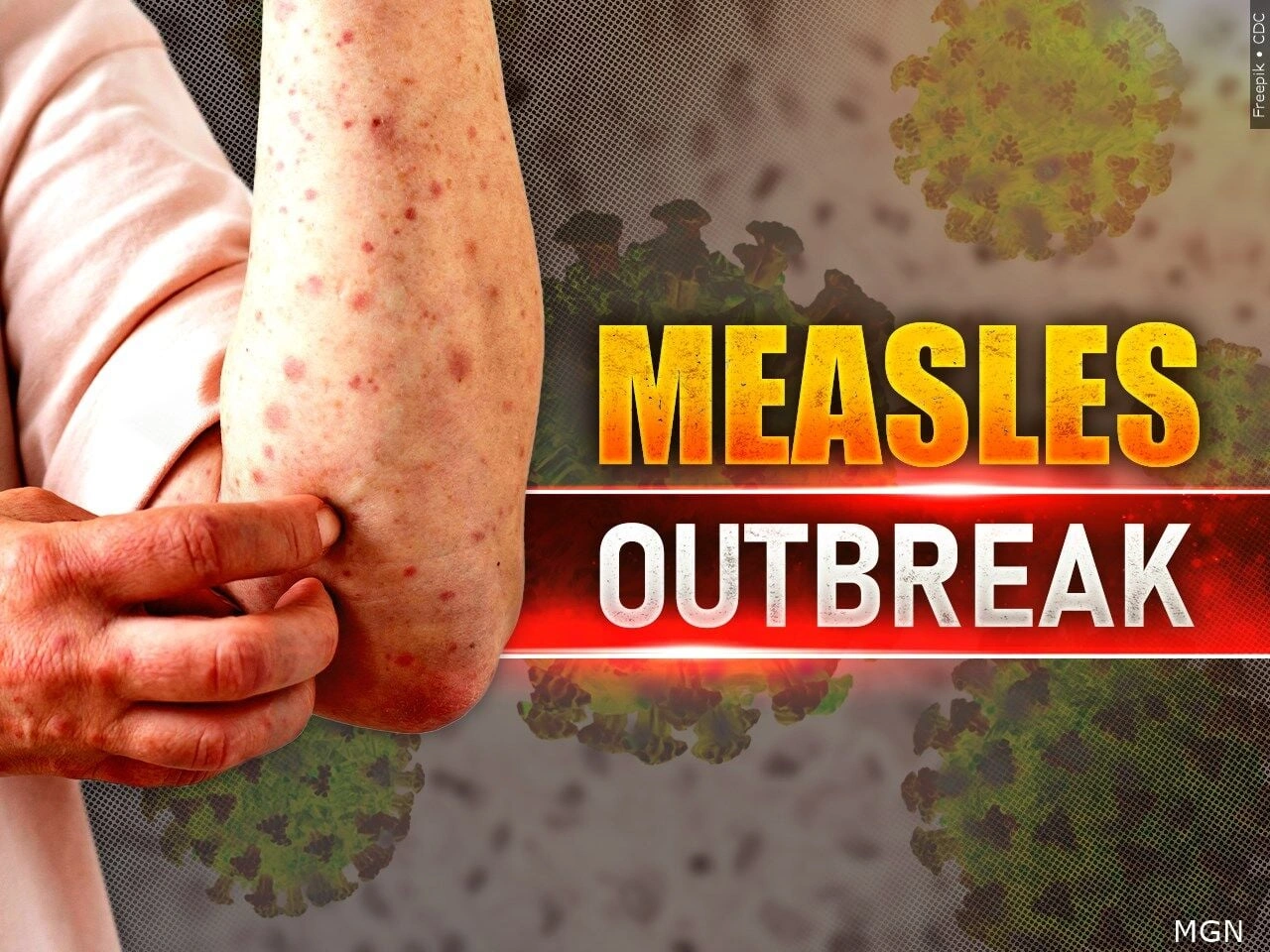
Utah has reached a troubling public health milestone after spending an entire year battling a persistent measles outbreak that continues to spread across much of the state. What began as a localized cluster of infections in June 2025 has evolved into one of the largest and longest-lasting measles outbreaks in the United States in recent years.
Health officials report that nearly 700 people have been infected since the outbreak began, making Utah one of the nation’s hardest-hit states. The prolonged spread has also intensified concerns among public health experts, who warn that the outbreak could have implications far beyond state borders.
As the virus continues circulating in communities, authorities are working to contain transmission while preparing for the possibility of additional cases later this year.
One Year Since the First Cases
The outbreak officially began on June 20, 2025, when health officials identified an initial cluster of measles infections.
At the time, public health experts hoped swift intervention would prevent wider transmission. Instead, the virus continued spreading through communities and eventually expanded into numerous regions across the state.
Twelve months later, Utah remains in active response mode.
The outbreak has now become one of the most significant measles events recorded in the state in decades. Unlike smaller outbreaks that are quickly contained, this one has persisted long enough to create national attention and concern among epidemiologists.
Officials say the length of the outbreak is one of its most alarming characteristics.
Nearly 700 Cases Reported
Health authorities have documented 679 measles cases since the outbreak began.
A significant portion of those infections occurred during 2026, with hundreds of new cases reported during the first half of the year alone.
The rapid increase pushed Utah near the top of national measles case counts, placing it behind only one other state in total infections.
Public health experts note that measles remains one of the most contagious viruses known to medicine. A single infected individual can spread the virus to many others, particularly in communities where vaccination rates are insufficient.
That high level of transmissibility has made containment efforts especially challenging.
Outbreak Reaches Most of the State
One factor distinguishing Utah’s outbreak from many others is its geographic reach.
The virus has spread into 22 of Utah’s 29 counties, affecting both urban and rural populations.
Health officials say the widespread nature of transmission has complicated containment efforts because resources must be deployed across a large area rather than focused on a single community.
The extensive reach has also increased the likelihood of exposure in everyday settings, making it harder to identify and isolate transmission chains before additional infections occur.
This broad distribution continues to concern state health authorities.
Southwest Utah Hit Hardest
Among the regions most heavily affected is southwestern Utah.
Officials report that the area has recorded hundreds of confirmed illnesses, making it the largest hotspot in the state.
Another major concentration of cases has emerged in the rural TriCounty region, which includes Daggett, Duchesne, and Uintah counties.
Health experts believe several factors contributed to the high case counts in these areas, including lower vaccination coverage and increased opportunities for community transmission.
The concentration of infections in specific regions has prompted targeted outreach efforts and vaccination campaigns aimed at slowing the spread.
Virus Spreads Through Public Spaces
Throughout the outbreak, measles exposures have been linked to a variety of public locations.
Health officials have traced cases to stores, restaurants, medical facilities, schools, and large public gatherings.
One notable event occurred during a high school state wrestling championship earlier this year. Public health investigators connected dozens of infections to the competition after attendees were exposed to the virus.
The outbreak has demonstrated how quickly measles can spread when infected individuals interact with large groups of people.
Because the virus can remain in the air for extended periods, exposures can occur even after an infected person has left a location.
Vaccination Rates Continue to Decline
Public health officials have repeatedly pointed to declining vaccination rates as a major factor behind the outbreak.
The measles vaccine is widely recognized as highly effective at preventing infection and limiting community spread. However, health data indicates that vaccination coverage has fallen below recommended levels in several Utah communities.
In some regions, a significant percentage of kindergarten-aged children entered school without receiving the measles vaccine.
Statewide vaccination rates have also fallen below the threshold generally considered necessary to maintain strong community protection.
Experts warn that gaps in vaccine coverage create opportunities for outbreaks to grow and persist.
Distrust Complicates Response Efforts
Health officials say another challenge involves growing skepticism toward public health recommendations.
According to epidemiologists, some families have chosen not to seek medical care even when symptoms appear, making it more difficult to identify infections and interrupt transmission chains.
When cases go unreported, outbreaks can spread quietly through communities before authorities become aware of new infections.
Public health teams have worked to improve communication and increase outreach efforts, but officials acknowledge that rebuilding trust remains a difficult task.
The combination of vaccine hesitancy and reduced engagement with healthcare providers has complicated containment efforts.
National Measles-Free Status at Risk
The Utah outbreak has implications that extend far beyond state borders.
The United States achieved official measles elimination status years ago, meaning continuous community transmission was no longer established nationwide.
However, international public health standards state that a country can lose that designation if uninterrupted local transmission continues for more than 12 months.
Because Utah’s outbreak has now reached the one-year mark, health authorities are closely monitoring the situation.
The issue has become part of a broader discussion involving measles activity across North America.
Growing Cases Across the Country
Utah is not the only state dealing with measles infections.
National case totals have risen significantly during the past year, with thousands of infections reported across multiple states.
The increase has renewed concerns about vaccination coverage and the potential return of diseases that were once considered largely under control.
Public health agencies continue emphasizing prevention measures, including immunization and rapid identification of cases.
Officials believe these strategies remain essential for limiting future outbreaks.
Uncertain Months Ahead
Although health officials report that transmission has slowed somewhat in recent weeks, they caution that the outbreak is not over.
Experts remain particularly concerned about the return of students to classrooms and the arrival of colder weather later in the year. Both factors could create conditions that allow the virus to spread more easily.
For now, Utah continues to face one of the longest measles outbreaks in recent American history.
As health authorities work to contain remaining cases, the state’s experience serves as a reminder of how quickly preventable diseases can return when immunity levels decline. The coming months may determine not only the future of Utah’s outbreak but also whether the United States can maintain its long-standing measles-free status.