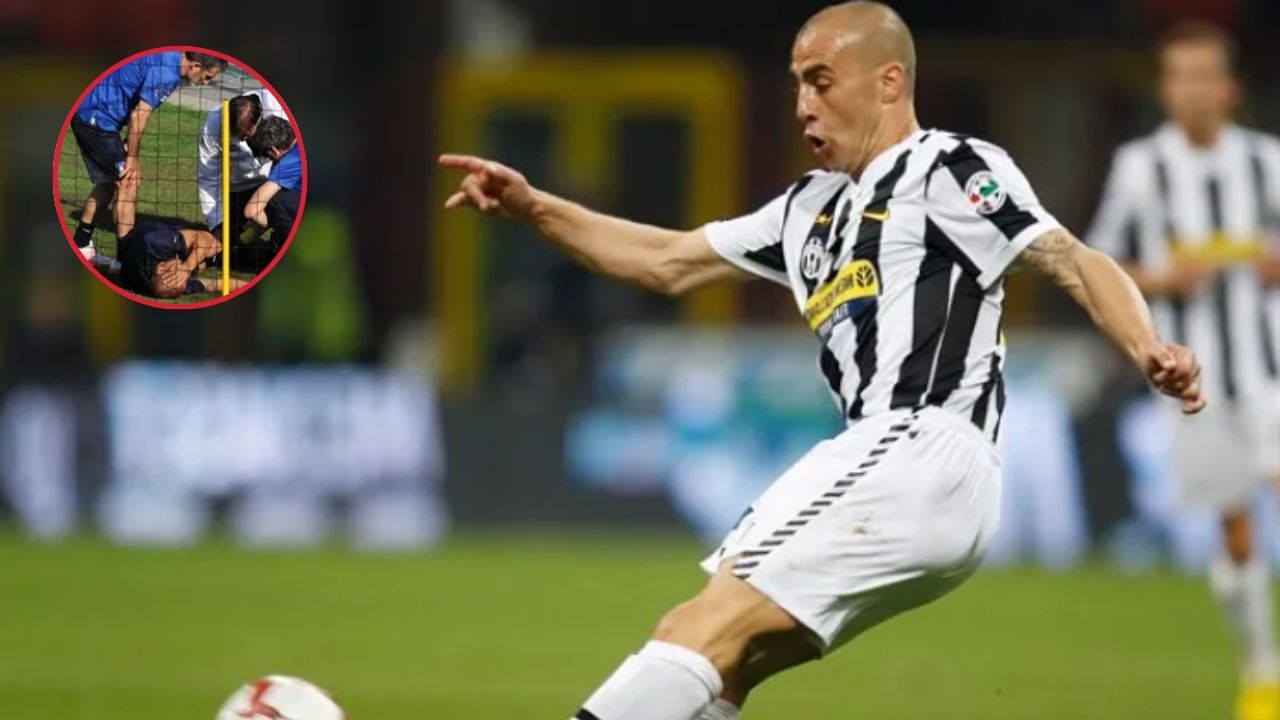
Fabio Cannavaro remains one of the most celebrated defenders in football history. The former Italy captain lifted the FIFA World Cup in 2006, won the Ballon d’Or the same year, and established himself as one of the finest center-backs the game has ever seen. Even years after retirement, fans continue searching for information about Fabio Cannavaro’s injuries, especially as he returns to the spotlight as head coach of Uzbekistan during the 2026 FIFA World Cup.
While Cannavaro is currently healthy and actively coaching, several injuries played significant roles throughout his playing career. Some of those setbacks altered major tournaments, while others ultimately influenced his decision to retire from professional football.
Here is a closer look at the injuries that shaped the career of one of Italy’s greatest football icons.
A Defender Known for Durability
Throughout most of his playing days, Cannavaro earned a reputation for toughness and consistency.
Despite standing shorter than many elite central defenders, he compensated with exceptional timing, positioning, anticipation, and leadership. These qualities allowed him to compete against some of the world’s best attackers for nearly two decades.
One of the most remarkable aspects of his career was his ability to remain available for club and country during crucial periods. While many players struggled with recurring injuries, Cannavaro often managed to maintain high performance levels season after season.
That durability became one of the foundations of his success.
The Injury That Shook Euro 2008
Among the most significant injuries of Cannavaro’s career was the one that forced him to miss UEFA Euro 2008.
At the time, he was Italy’s captain and one of the most experienced players in the national squad. Expectations were high following Italy’s World Cup triumph two years earlier.
However, disaster struck during a training session shortly before the tournament began.
Cannavaro suffered a serious ankle injury after an accidental collision with teammate Giorgio Chiellini. The incident resulted in ligament damage that immediately ruled him out of the competition.
For Italy, the loss was devastating.
Removing the team’s defensive leader just days before a major international tournament significantly altered Italy’s preparations and tactical plans.
Missing a Major Tournament
The timing of the Euro 2008 injury made it especially painful.
Players spend years preparing for international competitions, and opportunities to represent their country on football’s biggest stages are limited. Cannavaro had hoped to lead Italy through another successful European Championship campaign.
Instead, he was forced to watch from the sidelines.
The injury became one of the biggest stories of the tournament’s opening days and left many supporters wondering how Italy would cope without their captain.
Although Italy continued competing, Cannavaro’s absence was felt throughout the tournament.
Physical Demands of Elite Football
By the late stages of his career, Cannavaro had already accumulated thousands of minutes at the highest level.
His professional journey included appearances in Serie A, La Liga, European competitions, and numerous international tournaments. Such an extensive workload naturally places enormous strain on the body.
Defenders often endure constant physical battles, including tackles, aerial duels, and high-intensity training sessions.
As players age, recovery becomes more challenging, and even minor injuries can have a greater impact on performance.
Cannavaro was no exception.
Although he maintained elite standards longer than most players, the physical demands of the game gradually began to take their toll.
The Knee Problem That Changed Everything
The most important injury of Cannavaro’s later career involved his right knee.
As he entered his late thirties, persistent knee issues became increasingly difficult to manage. Medical evaluations reportedly revealed significant wear and damage that affected his ability to train and compete at the level required for professional football.
Unlike short-term injuries that heal with rest, chronic knee problems can progressively worsen over time.
For a player whose game relied on quick reactions, balance, and defensive movement, the condition presented serious challenges.
Eventually, the issue became impossible to ignore.
Retirement Decision
In 2011, Cannavaro announced his retirement from professional football.
The decision was directly connected to the ongoing problems affecting his right knee. Doctors reportedly advised that continuing to play could place additional strain on the joint and potentially create long-term complications.
For an athlete who had spent his life competing at the highest level, retirement was undoubtedly emotional.
However, Cannavaro chose to prioritize his health rather than risk further damage.
His retirement marked the end of an extraordinary playing career that included domestic titles, international success, and individual awards rarely achieved by defenders.
Life After Playing
Retirement did not end Cannavaro’s involvement in football.
Instead, he transitioned into coaching and management, bringing decades of experience into a new role. His understanding of defensive organization, leadership, and match preparation made him a natural candidate for coaching positions.
Over the years, he worked with clubs in different countries and continued building his reputation on the sidelines.
His coaching journey eventually led to one of the biggest opportunities of his managerial career.
Leading Uzbekistan on the World Stage
In 2026, Cannavaro returned to global headlines after becoming head coach of Uzbekistan.
The appointment came during a historic period for the nation, as Uzbekistan prepared for its first-ever FIFA World Cup appearance.
The role placed Cannavaro back on football’s biggest stage, this time as a manager rather than a player.
Fans who once watched him dominate opposing strikers now see him directing tactics from the touchline.
His experience in major tournaments provides valuable guidance for a team making history on the international scene.
Current Health Status
Despite ongoing online searches related to injuries, Cannavaro is currently healthy and actively involved in coaching.
There are no reports indicating any serious medical concerns. Most modern searches linking his name to injuries refer either to the ankle injury that ruled him out of Euro 2008 or the chronic knee problem that eventually led to retirement.
Today, he remains fully engaged in football activities and continues to represent the sport as one of its most respected figures.
A Legacy Beyond Injuries
Although injuries influenced certain moments of Cannavaro’s career, they do not define his legacy.
Instead, he is remembered for his leadership, determination, and extraordinary defensive abilities. His achievements with Italy, Juventus, Inter Milan, Real Madrid, and other clubs secured his place among football’s all-time greats.
The setbacks he faced simply became part of a larger story—one that highlights resilience as much as success.
From World Cup-winning captain to international coach, Cannavaro’s football journey continues to inspire players and fans around the world. While injuries created challenges along the way, they never overshadowed the remarkable accomplishments of one of Italy’s greatest football legends.