
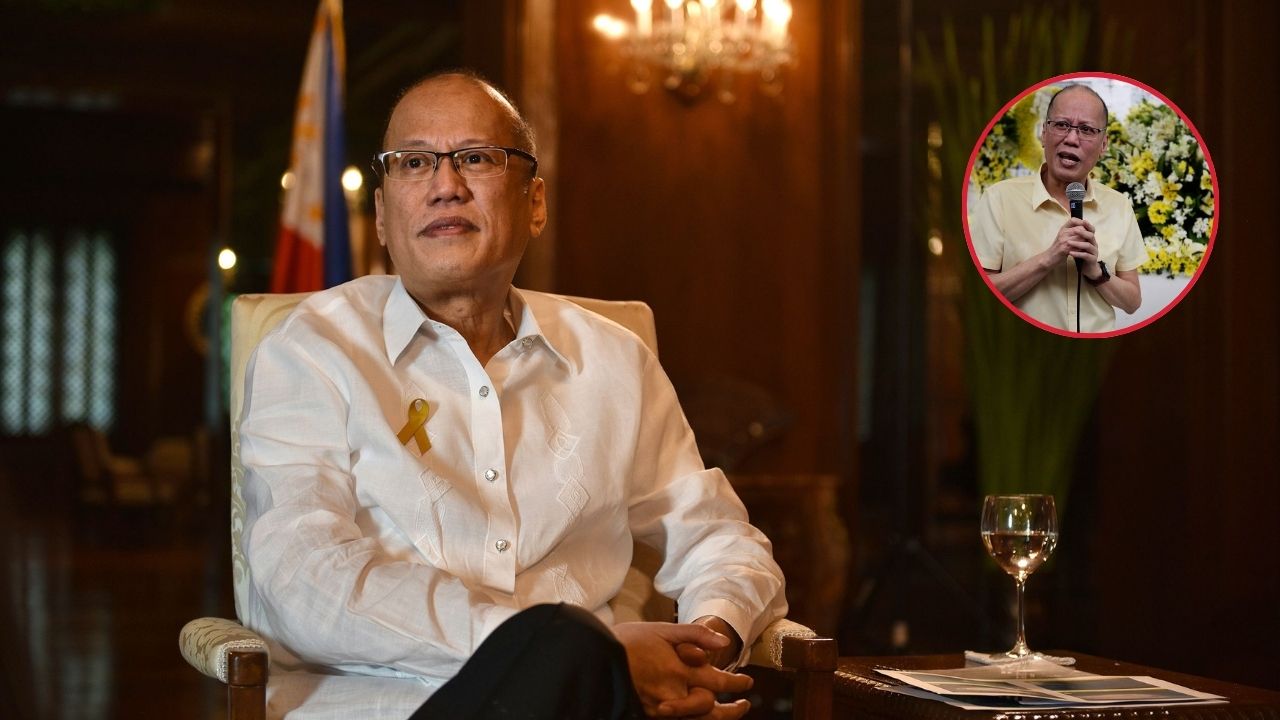
The death of former Philippine President Benigno “Noynoy” Aquino III in June 2021 marked the end of a significant chapter in the country’s political history. As the son of democracy icons Benigno “Ninoy” Aquino Jr. and Corazon Aquino, he carried a family legacy that shaped modern Philippine politics and inspired millions of Filipinos.
When news of his passing broke, many people sought answers regarding Noynoy Aquino’s cause of death and the health challenges he faced during his final years. Official statements later provided clarity, revealing that the former president had been dealing with serious medical conditions before his death at the age of 61.
Noynoy Aquino’s Cause of Death
Benigno Aquino III died on June 24, 2021, due to renal disease secondary to diabetes.
According to statements released by his family, the former president had been battling complications related to diabetes and kidney disease for an extended period before his passing. These health issues eventually led to severe complications that required ongoing medical treatment.
Aquino passed away peacefully in his sleep at Capitol Medical Center in Quezon City.
His death came as a shock to many Filipinos, particularly because he had largely remained out of the public spotlight following the end of his presidential term in 2016.
Health Struggles Before His Death
In the months leading up to his passing, Aquino was reportedly undergoing regular dialysis treatments.
Dialysis is often required when kidney function declines significantly and can no longer effectively remove waste and excess fluids from the body. Reports indicated that Aquino had been receiving treatment for several months while preparing for a possible kidney transplant.
His health concerns extended beyond kidney disease.
Medical reports also revealed that he had undergone angioplasty procedures and heart-related treatments to address cardiovascular complications associated with his condition.
These procedures reflected the seriousness of the health challenges he faced during his final years.
Passing at Age 61
Aquino was 61 years old when he died.
His relatively young age made the news especially surprising to many supporters and political observers. Despite facing significant medical challenges, he remained one of the most recognizable figures in Philippine public life.
The announcement of his death immediately triggered an outpouring of grief from political leaders, government officials, and ordinary citizens throughout the country.
Tributes highlighted both his contributions as president and his connection to one of the Philippines’ most influential political families.
A Legacy Rooted in Democracy
Few political figures in the Philippines carried a family history as significant as Aquino’s.
His father, Senator Benigno “Ninoy” Aquino Jr., became a symbol of resistance against dictatorship after his assassination in 1983. His mother, Corazon Aquino, later led the country following the People Power Revolution and became the Philippines’ first female president.
Because of this history, Noynoy Aquino was often viewed as the heir to a powerful democratic legacy.
When he entered politics, many Filipinos saw him as someone capable of continuing the values associated with his parents’ public service.
Rise to the Presidency
Aquino’s political career gained momentum after serving in both the House of Representatives and the Senate.
In 2010, he won the presidential election and became the 15th President of the Philippines. His campaign centered on transparency, accountability, and anti-corruption reforms.
His slogan, which emphasized clean governance, resonated strongly with voters seeking political change.
During his six-year presidency, Aquino focused on economic development, institutional reforms, and strengthening public confidence in government institutions.
His administration became known for efforts to improve fiscal management and attract investment.
Economic Growth Under His Administration
One of the defining features of Aquino’s presidency was the country’s economic performance.
During his time in office, the Philippines experienced periods of strong economic growth and increasing investor confidence. International organizations and financial institutions frequently cited the country as one of Asia’s emerging economic success stories.
Supporters often credit Aquino’s administration with improving government transparency and strengthening economic fundamentals.
While debates continue regarding specific policies and outcomes, economic growth remains one of the most commonly discussed aspects of his presidency.
Education and Policy Reforms
Aquino’s administration also introduced significant reforms in the education sector.
One of the most notable initiatives was the implementation of the K-12 education program, which expanded the basic education system and aligned it more closely with international standards.
The reform represented one of the largest structural changes in Philippine education in decades.
Although opinions on the program varied, its long-term impact continues to influence students, educators, and policymakers across the country.
International Recognition
Aquino also played a major role in shaping Philippine foreign policy.
One of the most significant international developments during his presidency involved the country’s legal challenge regarding maritime disputes in the West Philippine Sea.
His administration pursued arbitration through international legal channels, leading to a landmark ruling by the Permanent Court of Arbitration in The Hague.
The decision became a defining moment in Philippine foreign policy and remains an important part of Aquino’s political legacy.
National Mourning and Tributes
Following his death, the Philippine government declared a period of national mourning to honor his contributions to the nation.
Flags were flown at half-staff, and public officials paid tribute to his years of service. Memorial events and commemorations were held across the country as Filipinos reflected on his presidency and family legacy.
Political allies and critics alike acknowledged his dedication to public service and his role in shaping modern Philippine politics.
Remembering Noynoy Aquino
More than four years after his passing, Noynoy Aquino remains an important figure in Philippine history.
While his cause of death was officially attributed to renal disease secondary to diabetes, many people continue to remember him not for the illness that claimed his life but for the role he played in the country’s democratic journey.
As president, senator, congressman, and member of one of the Philippines’ most influential political families, Aquino left a lasting mark on the nation. His leadership, policies, and commitment to public service continue to be discussed and evaluated by Filipinos seeking to understand the country’s political evolution and future direction.