
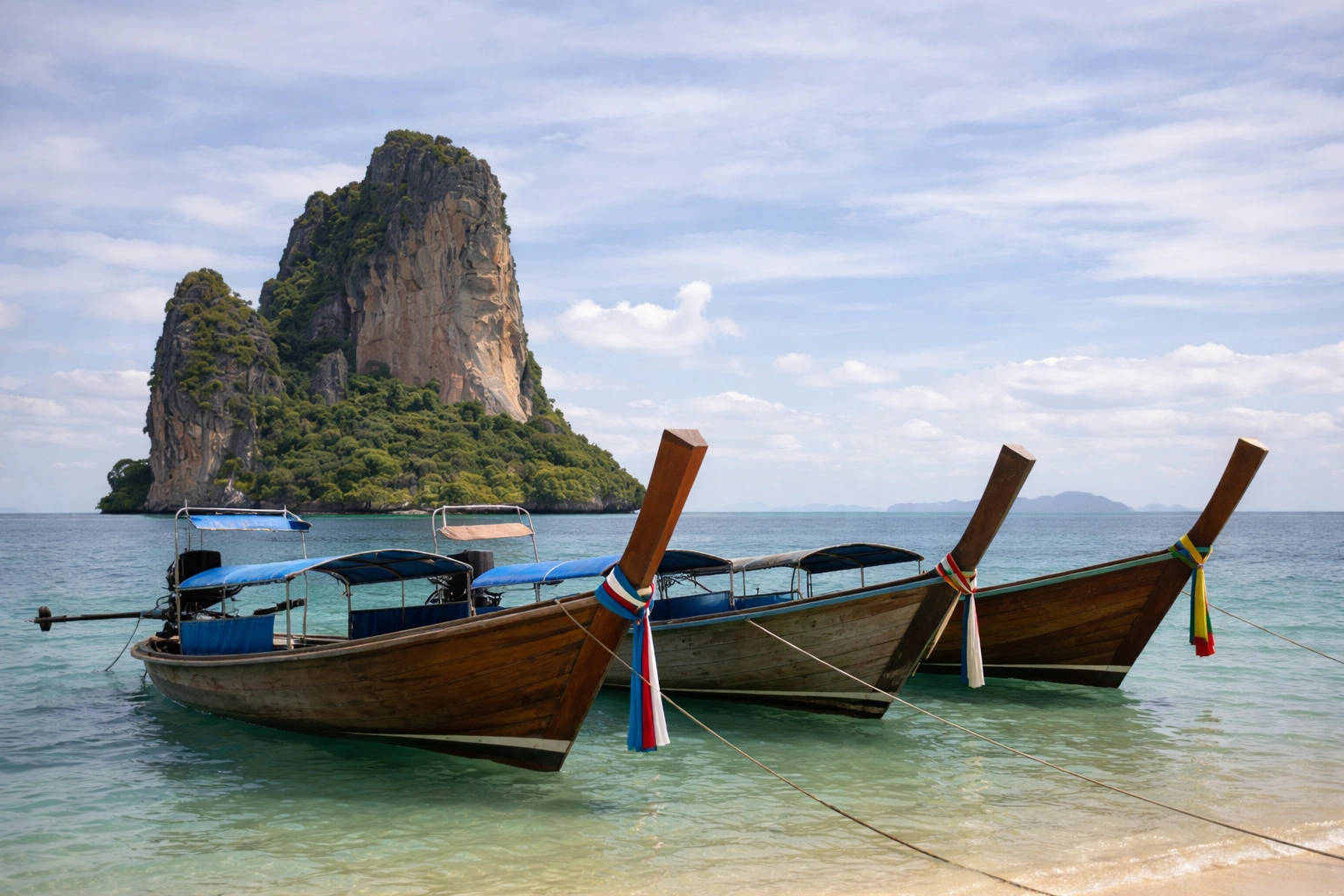
In a major boost for international travel, Thailand has joined a growing list of countries offering visa-free entry to Indian passport holders in 2026. Alongside destinations such as Seychelles, Indonesia, Kenya, Sri Lanka, and the Maldives, this move is opening new doors for Indian travelers seeking easier and more affordable global exploration.
The expansion of visa-free access reflects a broader shift in global tourism strategies, as countries compete to attract one of the fastest-growing outbound travel markets in the world.
Thailand Strengthens Tourism Appeal
Thailand’s decision to allow visa-free travel for Indian citizens marks a significant step in strengthening its position as a preferred destination in Asia. Known for its vibrant cities, beaches, and cultural heritage, Thailand has long been a favorite among Indian tourists.
By removing visa requirements, the country is making travel more convenient and encouraging spontaneous trips. This is expected to drive higher visitor numbers, especially during peak holiday seasons.
Tourism authorities in Thailand are also increasing promotional campaigns in India, highlighting destinations beyond Bangkok and Phuket to diversify travel experiences.
More Countries Join the List
Thailand is not alone in this move. Countries such as Seychelles, Indonesia, Kenya, Sri Lanka, and the Maldives have already introduced or expanded visa-free or visa-on-arrival policies for Indian travelers.
These destinations are leveraging simplified entry rules to boost tourism revenue and strengthen bilateral ties. For travelers, this means fewer administrative hurdles, reduced costs, and faster travel planning.
African and Southeast Asian countries, in particular, are emerging as attractive options due to their natural beauty, wildlife experiences, and competitive pricing.
Why Countries Are Targeting Indian Travelers
India’s outbound tourism market has been growing rapidly, driven by rising incomes, improved connectivity, and a younger population eager to explore international destinations.
Countries offering visa-free access are tapping into this demand, recognizing that ease of travel plays a crucial role in destination selection. Simplified visa policies often translate directly into increased bookings and longer stays.
Additionally, Indian travelers are known for diverse travel preferences, ranging from luxury holidays to budget-friendly trips, making them a valuable segment for global tourism.
Easier Travel Planning for 2026
Visa-free travel significantly simplifies the planning process. Without the need for lengthy applications or embassy visits, travelers can focus on itinerary building, accommodation, and experiences.
This is particularly beneficial for last-minute travelers and families looking for hassle-free vacations. It also encourages repeat visits, as the reduced complexity makes international travel more accessible.
Travel agencies and online platforms are already reporting increased interest in destinations offering visa-free entry, with bookings expected to rise further in 2026.
Boost to Airline and Hospitality Sectors
The expansion of visa-free travel is also expected to benefit airlines and the hospitality industry. Increased demand for international travel will likely lead to more flight routes, competitive pricing, and expanded capacity.
Hotels, resorts, and tour operators in these destinations are preparing for higher occupancy rates and increased bookings. Many are introducing India-specific packages, including customized experiences and culinary options tailored to Indian preferences.
This integrated approach is aimed at maximizing the economic impact of increased tourist inflow.
Economic Impact on Destination Countries
Tourism is a major contributor to many of these economies, and attracting Indian travelers can significantly boost revenue. From local businesses to large hospitality chains, the benefits are widespread.
Visa-free policies can also encourage longer stays, as travelers are more likely to explore multiple regions within a country when entry is seamless.
In addition, increased tourism fosters cultural exchange and strengthens diplomatic relationships between countries.
What Indian Travelers Should Know
While visa-free access simplifies entry, travelers still need to meet certain requirements. These may include valid passports, return tickets, proof of accommodation, and sufficient funds for the duration of the stay.
It is also important to check the allowed duration of stay, as visa-free entry often comes with specific limits. Overstaying can result in penalties or future travel restrictions.
Travel insurance and adherence to local regulations remain essential for a smooth travel experience.
Emerging Travel Trends
The shift toward visa-free travel is shaping new trends among Indian travelers. There is a growing preference for multi-country itineraries, experiential travel, and offbeat destinations.
Digital nomadism and remote work are also influencing travel patterns, with more individuals combining work and leisure in international locations.
Sustainable tourism is another emerging focus, with travelers seeking eco-friendly accommodations and responsible travel experiences.
A New Era for Global Tourism
The inclusion of Thailand alongside Seychelles, Indonesia, Kenya, Sri Lanka, and the Maldives signals a broader transformation in global tourism. Countries are increasingly prioritizing accessibility and convenience to attract international visitors.
For Indian passport holders, 2026 is shaping up to be a landmark year, offering unprecedented opportunities to explore the world with greater ease.