
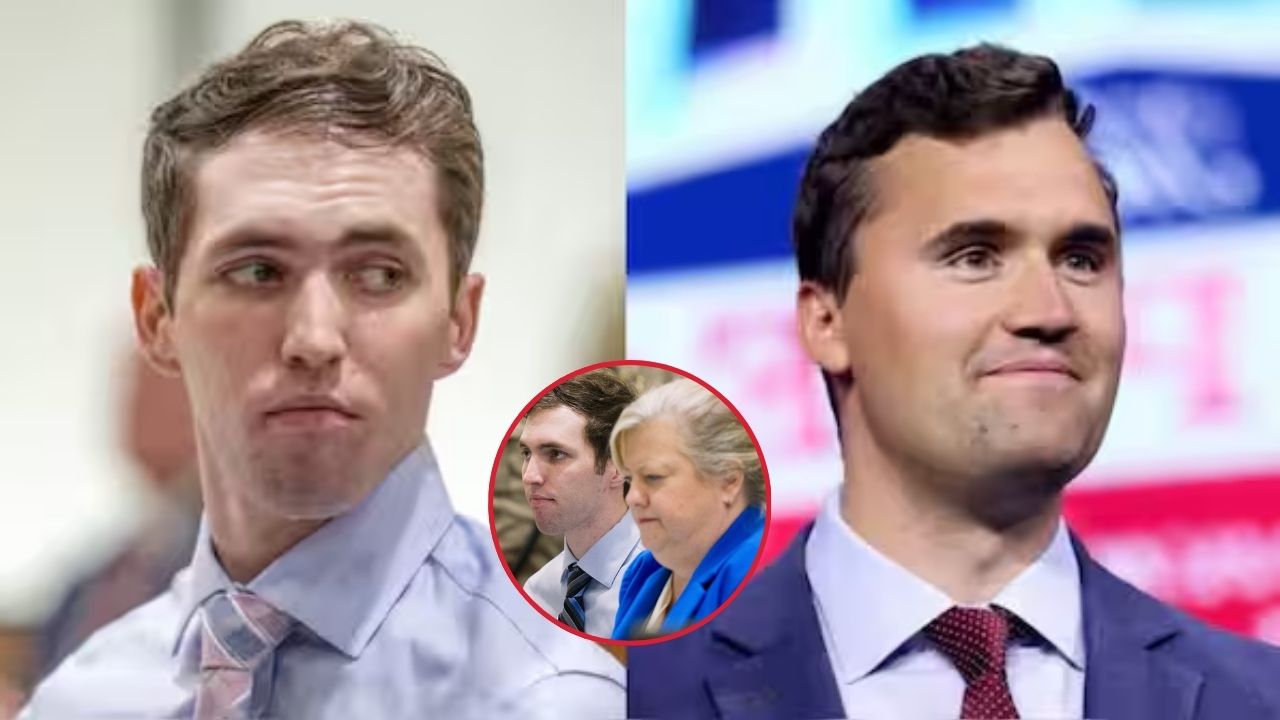
The criminal case surrounding conservative activist Charlie Kirk entered a critical stage on Monday, July 6, 2026, as prosecutors began presenting evidence during the opening day of a preliminary hearing in Provo, Utah. The proceedings mark one of the most closely watched moments since the September 2025 shooting that shocked supporters across the United States.
Held in Utah’s 4th District Court, the multiday hearing will determine whether prosecutors have established enough probable cause for the case against 23-year-old Tyler Robinson to move forward to a full trial. Robinson faces aggravated homicide and several related felony charges, with prosecutors continuing to pursue the most severe penalties available under Utah law.
The courtroom was filled with investigators, attorneys, members of the Kirk family, and media representatives as new details from the investigation were introduced.
Hearing Opens
The preliminary hearing began with prosecutors outlining the evidence they intend to rely upon during the case.
Unlike a trial, this stage is not designed to determine guilt or innocence. Instead, the judge must decide whether sufficient evidence exists for the charges to proceed to trial.
Because Charlie Kirk was a nationally recognized political commentator and founder of Turning Point USA, the proceedings have attracted extensive attention from national and international news organizations.
Several days of testimony are expected before the judge reaches a decision.
Forensic Evidence
Prosecutors told the court they plan to introduce a wide range of forensic material gathered during the investigation.
According to court proceedings, this includes ballistic examinations, surveillance recordings, physical evidence collected from the scene, and additional investigative findings developed over several months.
The prosecution argues that these materials strengthen the timeline of events and support the criminal charges filed against Robinson.
Forensic specialists and investigators are expected to continue explaining the significance of this evidence throughout the hearing.
Alleged Messages
Another major focus of the prosecution involves alleged text message communications discussed during Monday’s proceedings.
According to prosecutors, Robinson’s former roommate and romantic partner provided investigators with information concerning messages exchanged after the shooting.
The state also referenced a recorded statement connected to the witness, which prosecutors believe is relevant to understanding the events surrounding the case.
Defense attorneys are expected to challenge the reliability, interpretation, and legal significance of those communications during future stages of the proceedings.
Family in Court
Charlie Kirk’s widow, Erika Kirk, attended the hearing alongside his parents and other family members.
Donald Trump Jr. was also present in the courtroom in support of the family.
Before testimony began, the family released a written statement describing the emotional difficulty of participating in the legal proceedings. They said every court appearance serves as a reminder of the profound loss their family continues to experience and thanked supporters for the encouragement they have received over the past several months.
The family also requested privacy while the judicial process continues and indicated they would not be making additional public comments at this time.
Defense Response
Defense attorneys have raised several concerns regarding both media coverage and portions of the forensic evidence.
Before the hearing, they argued against extensive courtroom camera access, claiming widespread television coverage could transform the proceedings into entertainment rather than a fair judicial process.
The defense has also pointed to forensic reports indicating that certain pieces of physical evidence contained DNA from multiple individuals.
Attorneys further noted that federal analysis of bullet fragments recovered during the investigation did not conclusively establish whether those fragments originated from the firearm recovered by investigators or could be excluded from it.
Those issues are expected to remain central topics as the case develops.
Investigation Details
The charges stem from the September 10, 2025, shooting at Utah Valley University, where Charlie Kirk had been addressing a crowd during the launch of his national “The American Comeback” tour.
Investigators later recovered a Mauser rifle that prosecutors say contained DNA consistent with the suspect.
The prosecution believes the combination of physical evidence, witness testimony, digital communications, and forensic analysis provides sufficient grounds for the case to continue.
Defense attorneys maintain that questions surrounding the evidence deserve careful judicial examination before any conclusions are reached.
What the Court Will Decide
The preliminary hearing represents an important procedural step in the criminal justice process.
Rather than determining whether the defendant is responsible for the alleged offenses, the judge’s role is to evaluate whether prosecutors have presented enough evidence to justify moving the case forward to trial.
If probable cause is established, Robinson will stand trial on the charges filed against him. If the court finds the evidence insufficient on any count, certain charges could be reduced or dismissed.
Additional witnesses, investigators, and forensic experts are expected to testify before the hearing concludes.
National Attention
The case continues to receive nationwide attention because of Charlie Kirk’s prominence in American politics and conservative activism.
Supporters, legal analysts, and members of the public are closely following each stage of the proceedings as new evidence becomes part of the public record.
The presence of family members in court has underscored the personal impact of the case while also highlighting the importance of allowing the legal process to unfold without outside influence.
Looking Ahead
With the preliminary hearing continuing over several days, prosecutors are expected to introduce additional forensic findings, witness testimony, and investigative evidence. The defense will have opportunities to question witnesses and challenge the prosecution’s presentation before the judge determines whether the legal threshold for trial has been met.
For now, the hearing represents a significant milestone in one of Utah’s most closely watched criminal cases. The court’s decision at the end of these proceedings will shape the next phase of a legal process that continues to draw widespread public interest across the country.