
King Charles III is at the center of renewed public discussion after Buckingham Palace clarified how the monarch’s religious responsibilities are described in the latest Sovereign Grant Report. The updated wording has sparked debate among religious commentators, historians, and royal observers about the King’s approach to faith in modern Britain.
While supporters view the language as reflecting the United Kingdom’s increasingly diverse religious landscape, critics argue it represents a departure from centuries of royal tradition. The discussion has intensified ahead of King Charles’ official visit to the Isle of Man, where he will carry out several constitutional duties as Lord of Mann.
Palace Statement
The latest Sovereign Grant Report reaffirmed that King Charles III serves as the Supreme Governor of the Church of England.
The report also described the monarch’s role as protecting the space for faith within a multi-faith society, language that has attracted significant public attention.
Although the historic title “Defender of the Faith” remains part of the British monarch’s official style, the report’s emphasis on supporting religious freedom across different faith communities prompted fresh debate about how the King’s role is evolving.
Why It Matters
The relationship between the British monarchy and the Church of England has existed for centuries.
Since the English Reformation, the sovereign has held the position of Supreme Governor of the Church of England while also carrying the historic title “Defender of the Faith.”
Because of that long-standing tradition, even subtle changes in how the monarchy describes its religious responsibilities often generate considerable public discussion.
Many observers believe the latest wording reflects King Charles’ long-held interest in promoting understanding between different faith communities.
Criticism Emerges
One of the strongest public responses came from former royal chaplain Dr. Gavin Ashenden.
During a podcast interview, Ashenden criticized the King’s approach to religious inclusivity, arguing that treating different faith traditions as equally valuable departs from the historic role of the British monarch.
He also compared King Charles’ leadership style with that of the late Queen Elizabeth II, suggesting the former monarch more closely reflected the traditional expectations associated with the Crown’s religious responsibilities.
His remarks quickly circulated across social media and news outlets.
Queen Elizabeth’s Legacy
Ashenden repeatedly referenced Queen Elizabeth II while explaining his concerns.
He praised the late Queen’s sense of duty, integrity, and commitment throughout her historic reign, arguing that those qualities earned lasting public respect.
According to Ashenden, Elizabeth II represented stability during decades of social and political change, making comparisons between her reign and the current monarchy inevitable.
Supporters of King Charles, however, note that every monarch governs during a different historical period and faces unique national challenges.
Charles’ View
King Charles has spoken for many years about his interest in promoting mutual respect among different religious traditions.
Long before becoming monarch, he expressed support for the idea of being viewed as a defender of faith rather than solely the defender of one particular faith, emphasizing the importance of protecting religious freedom for all communities.
That perspective has remained a defining feature of his public statements throughout his time as Prince of Wales and continues influencing discussions surrounding his reign.
Historical Context
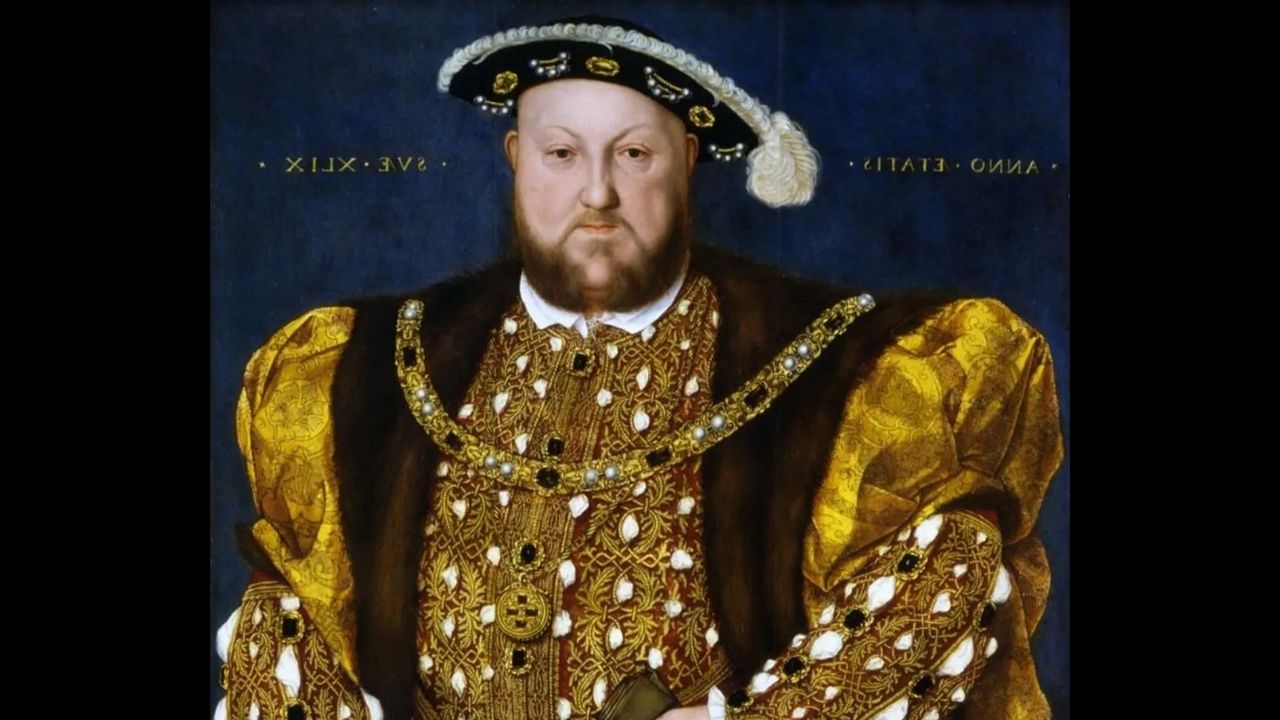
The title “Defender of the Faith” has a long history dating back to the early sixteenth century.
It was first granted to King Henry VIII in 1521 before later becoming associated with successive British monarchs following major constitutional and religious changes in England.
Over the centuries, the title has symbolized the sovereign’s relationship with the Church of England while also reflecting broader constitutional responsibilities.
Modern debates often focus on how that historic role should be interpreted within today’s multicultural society.
Isle of Man Visit
The discussion comes as King Charles prepares for his first official visit to the Isle of Man as Lord of Mann.
During the visit, he is scheduled to address a special sitting of Tynwald, one of the world’s oldest continuous parliamentary institutions.
The visit also includes meetings with residents, a garden party at Government House, and participation in celebrations marking the 150th anniversary of the Douglas Bay Horse Tramway.
Officials describe the visit as an important constitutional milestone for the island.
Local Response
Leaders in the Isle of Man have welcomed the King’s upcoming visit.
Lieutenant Governor Sir John Lorimer described the occasion as a significant moment in the island’s history, emphasizing the enduring relationship between the Crown and the local community.
Chief Minister Alfred Cannan also highlighted the constitutional importance of the King’s role as Lord of Mann and said many residents are looking forward to participating in the celebrations.
Preparations for the royal visit continue across the island.
Wider Discussion
The latest debate reflects broader conversations about the future of the modern monarchy.
Some believe the Crown should continue adapting to the changing religious and cultural diversity of the United Kingdom, while others argue that preserving historic traditions remains essential to the monarchy’s constitutional identity.
As King Charles continues shaping his reign, discussions surrounding faith, tradition, and national identity are likely to remain important topics among historians, religious leaders, and royal commentators.
Final Update
King Charles III has attracted renewed public attention following Buckingham Palace’s latest description of the monarch’s role as supporting faith within Britain’s multi-faith society. The wording prompted criticism from former royal chaplain Dr. Gavin Ashenden, who argued it departs from long-established royal tradition and contrasted the King’s approach with that of Queen Elizabeth II. Despite the debate, King Charles continues his official duties, including his upcoming constitutional visit to the Isle of Man, where he will undertake a series of ceremonial and public engagements as Lord of Mann.