
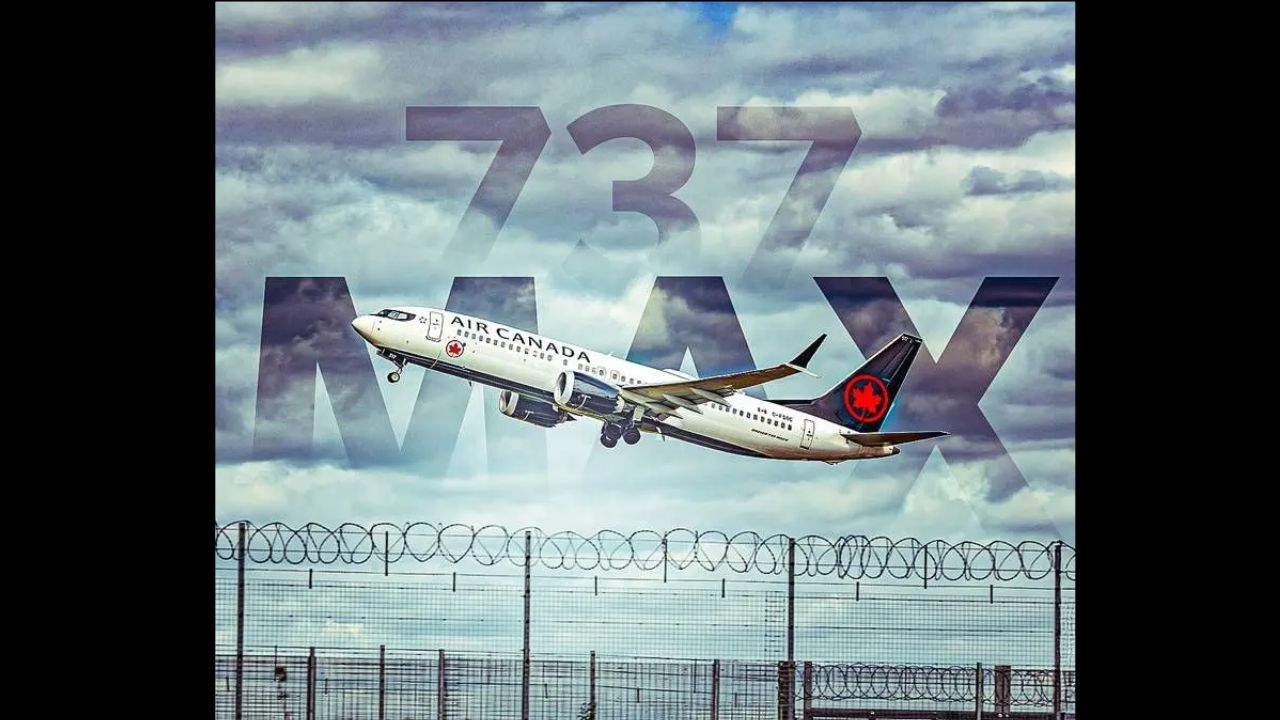
An Air Canada Boeing 737 MAX 8 experienced a runway excursion after landing at Montréal Pierre Elliott Trudeau International Airport on July 9, 2026, prompting a safety response and temporary operational disruptions at one of Canada’s busiest airports.
The aircraft, operating as Flight AC774 from Los Angeles International Airport, moved off the paved taxiway and came to rest on a grassy area while exiting the runway after landing. Although the event caused significant delays and cancellations, Air Canada confirmed that everyone onboard reached safety without injuries.
The incident is now under review as investigators work to determine what caused the aircraft to leave the designated taxiway.
Safe Outcome
The flight was carrying 162 people, including 156 passengers and six crew members.
According to Air Canada, all occupants safely left the aircraft and were transported to the terminal by airport buses after emergency personnel secured the area.
The airline stated that the aircraft remained stable following the excursion, allowing emergency teams to coordinate a controlled passenger disembarkation.
Officials have not reported any medical emergencies related to the incident.
Aircraft Details
The aircraft involved was a Boeing 737 MAX 8 registered as C-GEOJ.
Industry fleet data indicates the aircraft has been in service for just over seven years and is one of 52 Boeing 737 MAX 8 aircraft currently operated by Air Canada.
The jet is scheduled to transition to Air Canada Rouge in 2028 as part of the airline’s long-term fleet planning.
Before returning to commercial service, the aircraft will undergo a detailed engineering inspection to evaluate any possible damage caused by the excursion.
Inspection Underway
Air Canada has confirmed that the aircraft will be towed to a maintenance hangar where technicians will perform a comprehensive technical assessment.
Engineers are expected to inspect the landing gear, brakes, tires, hydraulic systems and aircraft structure to ensure no hidden damage occurred when the airplane entered the grassy area.
Even when visible damage appears limited, airlines routinely conduct extensive inspections after runway or taxiway excursions to confirm the aircraft remains fully airworthy.
The results of the inspection will also assist investigators reviewing the incident.
Airport Disruptions
The excursion affected airport operations throughout the day.
According to flight tracking data, the combination of recovery activities and challenging weather conditions resulted in widespread delays across Montréal’s flight schedule.
A total of 27 departing flights were canceled, while approximately 130 departures experienced delays.
Incoming traffic was also affected, with 24 arriving flights canceled and more than 110 arrivals delayed.
Airport authorities worked throughout the day to minimize disruptions and gradually restore normal operations.
Air Traffic Response
Following the incident, Nav Canada introduced temporary air traffic management procedures to maintain safe airport operations.
Ground stops and flow restrictions were implemented while crews assessed the aircraft’s position and coordinated recovery efforts.
These measures reduced the number of aircraft arriving and departing during the initial response period, helping maintain safe separation between flights while emergency personnel remained active near the affected taxiway.
Normal traffic resumed progressively as recovery operations advanced.
Investigation Begins
Authorities have started reviewing the circumstances surrounding the runway excursion.
Investigators will examine a broad range of factors before identifying a cause.
These include weather conditions, runway and taxiway surface conditions, aircraft performance, flight crew procedures, air traffic control communications and maintenance records.
The cockpit voice recorder and flight data recorder may also be analyzed to help reconstruct the sequence of events leading up to the excursion.
Officials have emphasized that no conclusions have been reached and that the investigation remains in its early stages.
What Is a Runway Excursion?
A runway or taxiway excursion occurs when an aircraft unintentionally leaves the paved surface during landing, takeoff or ground movement.
Such events can happen for several reasons, including reduced braking performance, weather conditions, pilot workload, mechanical issues or surface contamination.
Most runway excursions occur at relatively low speeds and do not result in injuries, but aviation authorities investigate each case carefully because they can reveal opportunities to improve operational safety.
Modern commercial aircraft are designed with multiple safety systems that help crews maintain control during demanding ground operations.
Airline Response
Air Canada canceled the aircraft’s next scheduled flights to and from San Francisco so maintenance teams could immediately begin inspections.
The airline apologized to customers affected by delays and cancellations while emphasizing that passenger safety remains its highest priority.
Operational teams also worked to rebook travelers whose itineraries were disrupted by the incident.
The airline has pledged full cooperation with investigators throughout the review process.
Looking Ahead
The investigation will continue over the coming weeks as specialists collect operational data, inspect the aircraft and interview the flight crew.
The findings will help determine whether weather, mechanical systems, airport conditions or operational factors contributed to the aircraft leaving the taxiway.
Although the incident temporarily disrupted travel at Montréal’s busiest airport, the safe evacuation of all passengers and crew demonstrated the effectiveness of airport emergency procedures and airline response planning.
As investigators complete their work, any recommendations resulting from the inquiry could contribute to future improvements in airport operations, pilot procedures and aircraft safety, helping reduce the likelihood of similar events in the future.