
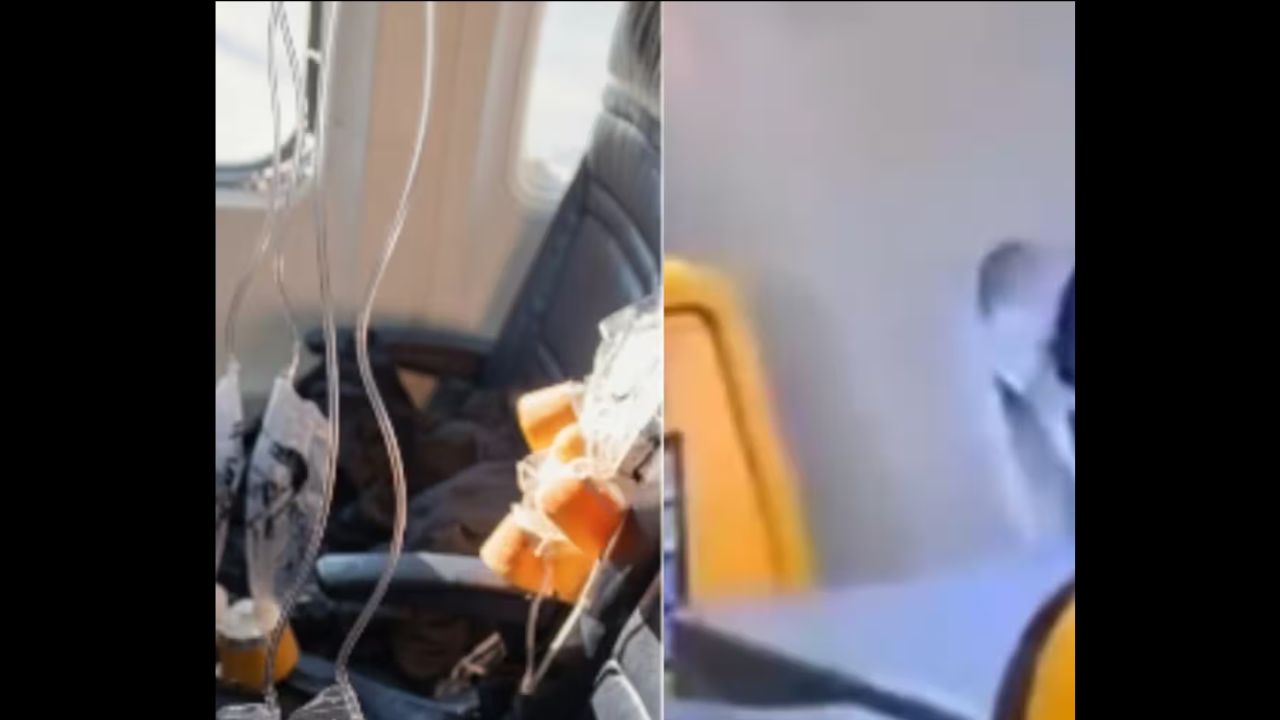
A Ryanair flight traveling from Thessaloniki, Greece, to Memmingen, Germany, made an emergency return shortly after departure after a cabin window became dislodged during the journey. The unexpected incident led to a rapid response from the flight crew and emergency services, with one passenger later receiving hospital treatment.
According to airline officials, the aircraft landed safely back at Thessaloniki Airport, allowing emergency personnel to assist passengers and inspect the aircraft. While everyone else onboard reached safety without reported physical injuries, a 61-year-old passenger was taken to a local hospital for evaluation and treatment.
The incident has drawn attention from aviation experts and travelers alike because cabin pressure events are extremely rare in modern commercial aviation.
What Happened
The flight departed Thessaloniki as scheduled and was heading toward Memmingen, located near Munich in southern Germany.
Ryanair said the aircraft returned to its departure airport after a passenger window became dislodged during the flight. Following the emergency landing, the airline arranged a replacement aircraft to transport passengers to their destination.
The airline has not yet released additional technical details explaining why the window came loose, and the aircraft is expected to undergo a detailed engineering inspection before returning to service.
Passenger Injured
Greek medical officials confirmed that one passenger required hospital treatment after the incident.
The 61-year-old man reportedly suffered injuries to his neck and shoulder along with friction burns. Hospital officials indicated that he received medical care after landing, though no further information regarding his condition was immediately released.
Authorities have not reported any additional injuries among passengers or crew members.
Moments of Panic
Several passengers described a frightening experience inside the aircraft as the situation unfolded.
One traveler, identified as Christina by Greek media, said many people had been resting when they suddenly heard a loud noise that resembled a tire bursting.
She recalled that oxygen masks deployed almost immediately as the aircraft rapidly descended to a lower altitude following the loss of cabin pressure.
According to her account, nearby passengers reacted quickly to assist the injured traveler while cabin crew managed the emergency procedures.
Although emotions ran high during the event, passengers said the crew remained focused on safely handling the situation.
Crew Response
Modern airline crews receive extensive training to manage unexpected in-flight emergencies, including cabin depressurization.
When pressure inside an aircraft changes suddenly, pilots follow established emergency procedures that include descending to a lower altitude where breathing becomes easier without supplemental oxygen.
Cabin crew members are trained to assist passengers, monitor safety throughout the cabin and prepare for an emergency landing if necessary.
In this case, the crew successfully guided the aircraft back to Thessaloniki, where emergency services were already waiting upon arrival.
Why Oxygen Masks Deploy
Commercial aircraft normally cruise at altitudes where outside air pressure is too low for people to breathe comfortably.
If cabin pressure decreases unexpectedly, oxygen masks automatically drop from overhead compartments to provide passengers with breathable oxygen while pilots descend to a safer altitude.
Although the appearance of oxygen masks can be alarming, aviation experts note that they are designed specifically to protect passengers during rare decompression events.
The system allows the aircraft to remain under control while pilots complete emergency procedures.
Aircraft Inspection
Following the emergency landing, the aircraft was removed from normal service for technical examination.
Engineers are expected to inspect the affected window assembly along with surrounding aircraft structures to determine what caused the failure.
Investigators will also review maintenance records, previous inspections and any operational data recorded during the flight.
These examinations are standard practice after unusual technical events involving commercial aircraft.
The findings may help determine whether additional maintenance actions or safety recommendations are necessary.
Travel Disruption
While passenger safety remained the highest priority, the incident also affected travel plans.
After returning to the terminal, Ryanair arranged another aircraft so travelers could continue their journey to Germany.
Airlines typically activate contingency plans during operational disruptions to reduce delays and help passengers reach their destinations as quickly as possible.
Although emergency returns often create scheduling challenges, replacing the aircraft allows engineers sufficient time to complete a comprehensive inspection without delaying further flights.
Aviation Safety
Window failures on commercial aircraft are uncommon because aircraft undergo rigorous inspections throughout their operational life.
Passenger windows are built using multiple layers of specially engineered materials designed to withstand pressure differences, temperature changes and repeated flight cycles.
When an unusual event occurs, aviation authorities and airline engineers carefully analyze every aspect of the incident to understand whether it resulted from mechanical wear, manufacturing issues, maintenance concerns or another contributing factor.
Each investigation contributes valuable information that can improve future safety procedures across the aviation industry.
What Happens Next
The aircraft will remain under examination while investigators gather technical evidence and review maintenance documentation.
Ryanair is expected to cooperate fully with the relevant aviation authorities throughout the investigation.
Officials have not yet identified the exact cause of the window failure, and no conclusions have been announced.
For passengers, the safe return to Thessaloniki demonstrated the effectiveness of modern emergency procedures and crew training. Although the event created understandable concern onboard, the successful landing and prompt medical response ensured the situation remained under control. The investigation’s findings will help determine what happened and whether any further safety measures are needed before the aircraft returns to regular operations.