
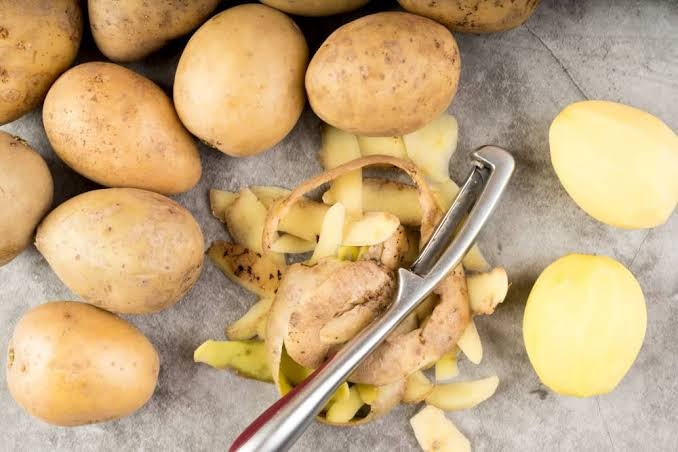
Natural cleaning methods continue to gain popularity as more people look for affordable, eco-friendly ways to maintain their homes. Instead of relying on harsh chemical cleaners, many households are turning to everyday kitchen ingredients that can solve common cleaning problems. One combination attracting attention is potato peels mixed with baking soda.
Although it may sound unusual, this simple pairing can be surprisingly useful for tackling rust on metal cookware and household items. The method is inexpensive, easy to try, and uses materials that would otherwise end up in the trash. Here’s why this cleaning trick works, how to use it correctly, and what you should know before trying it.
Why It Works
The effectiveness of potato peels and baking soda comes from the natural properties of each ingredient.
Baking soda is a mild abrasive that helps loosen dirt, grime, and light rust without scratching most metal surfaces. It also helps neutralize odors and lift stubborn residue during scrubbing.
Potato peels contain small amounts of oxalic acid, a naturally occurring organic acid. Oxalic acid can help break down iron oxide, which is commonly known as rust. While the amount present in potatoes is relatively low, it can contribute to loosening light surface rust when combined with gentle scrubbing.
Working together, the potato peel and baking soda create a simple cleaning treatment that may help restore lightly rusted metal cookware without the need for strong commercial rust removers.
Best Uses
This natural method works best on items with light to moderate surface rust. It can be used on:
- Cast iron pans
- Steel pots
- Metal baking trays
- Garden hand tools
- Metal kitchen utensils
- Small household hardware
It is less effective on objects with deep corrosion or severe rust damage, where professional rust removers or restoration methods may be required.
How to Use It
Applying this cleaning trick requires only a few minutes of preparation.
Start by rinsing the rusted item to remove loose dirt or grease. Sprinkle a generous amount of baking soda directly over the rusted area.
Next, place a fresh potato peel over the baking soda. Some people prefer cutting a potato in half and pressing the cut side directly onto the rusted surface, as the fresh flesh contains more moisture and natural acids than the outer peel alone.
Allow the potato and baking soda to remain in contact with the rust for several hours or overnight.
The following day, scrub the surface using the potato, a soft brush, or a non-abrasive scrubbing pad. Rinse thoroughly with clean water and dry the item immediately using a clean towel.
If traces of rust remain, repeat the process until the surface improves.
Drying Matters
Cleaning rust is only part of the solution. Preventing it from returning is equally important.
After washing any metal cookware, never allow it to air dry for long periods. Water left on the surface creates ideal conditions for oxidation, which eventually produces rust.
Instead, dry cookware immediately with a lint-free cloth. For cast iron pans, placing the pan over low heat for a minute or two after drying helps remove hidden moisture.
This simple habit significantly reduces future rust formation.
Protect Your Pans
A protective coating is one of the easiest ways to keep rust away.
After completely drying a cast iron or carbon steel pan, apply a very thin layer of vegetable oil or cooking oil across the entire surface. Wipe away any excess oil so that only a light coating remains.
This protective film acts as a barrier between the metal and moisture in the air. Many experienced cooks regularly season their cast iron cookware, which builds a durable protective layer over time while improving cooking performance.
Smart Storage
Even perfectly cleaned cookware can develop rust if stored improperly.
Keep metal pans in a cool, dry location with good airflow. Avoid damp cabinets or areas near sinks where humidity levels stay high.
If you stack several pans together, place a paper towel, cloth, or pan protector between each one. This not only reduces scratches but also absorbs small amounts of moisture that may otherwise become trapped between surfaces.
Checking cookware occasionally for early signs of rust allows you to address small spots before they spread.
Other Natural Helpers
Potatoes and baking soda are not the only household ingredients that can help with rust.
White vinegar contains acetic acid, which can dissolve light rust after soaking. Lemon juice combined with salt is another traditional method for removing small rust spots from certain metal objects. However, these acidic treatments should always be rinsed away completely afterward to prevent long-term surface damage.
Choosing the right method depends on the type of metal, the severity of the rust, and the manufacturer’s care recommendations.
Safety Tips
While this natural cleaning trick is generally safe for many household items, avoid using aggressive scrubbing pads on polished stainless steel or coated cookware, as they may leave scratches.
Always test the method on a small hidden section if you are unsure how a surface will react. Once cleaning is complete, rinse away any remaining baking soda and potato residue before drying the item thoroughly.
Blending potato peels with baking soda is a practical example of how everyday kitchen ingredients can serve more than one purpose. The mild abrasive action of baking soda and the naturally occurring oxalic acid found in potatoes may help loosen light rust, making this an economical option for restoring cookware and small metal tools.
Although it cannot repair severe corrosion, it offers a simple first step before turning to stronger commercial products. Combined with proper drying, light oiling, and careful storage, this natural approach can help keep metal cookware cleaner, longer-lasting, and ready for everyday use.