
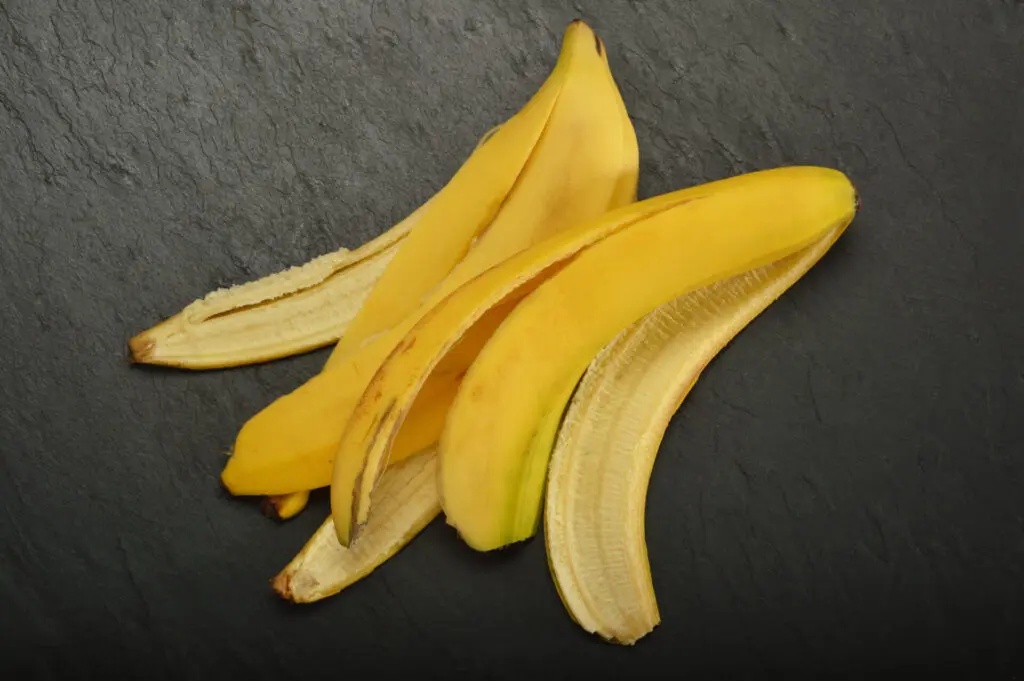
Many homeowners are looking for simple, affordable, and environmentally friendly ways to clean their homes without relying on strong chemical products. One homemade cleaning idea that has gained attention is blending banana peels with baking soda and water. While banana peels are usually thrown away after eating the fruit, they can be reused in practical household applications instead of ending up in the trash.
Combined with baking soda, banana peels create a gentle cleaning paste that can help remove light dirt, freshen surfaces, and reduce unpleasant odors. Although this mixture is not intended to replace commercial disinfectants for heavy-duty cleaning, it can be a useful addition to regular household maintenance.
Why This Mix Works
The effectiveness of this homemade cleaner comes from the properties of its ingredients.
Baking soda is widely recognized as a mild abrasive that helps lift grime without scratching most washable surfaces. It also neutralizes acidic odors instead of simply masking them, making it a popular ingredient in many natural cleaning solutions.
Banana peels contribute moisture and natural plant fibers that create a smooth paste. Their soft texture helps spread the mixture evenly across surfaces, making it easier to wipe away dust and light residue. Instead of discarding the peels, this method gives them another practical purpose around the home.
Water binds the ingredients together, creating a spreadable mixture that is easy to prepare with common kitchen equipment.
Main Benefits
One reason this cleaning method appeals to many people is its simplicity. The ingredients are inexpensive, easy to find, and require only a few minutes to prepare.
Some of its potential benefits include:
- Reusing kitchen waste instead of throwing it away.
- Reducing dependence on harsh cleaning chemicals.
- Helping remove light dirt from washable surfaces.
- Neutralizing mild household odors.
- Creating an affordable homemade cleaning solution.
While the mixture can be useful for routine cleaning, heavily stained or greasy surfaces may still require specialized cleaning products.
What You Can Clean
This banana peel and baking soda mixture is suitable for several everyday cleaning tasks around the home.
Countertops
Apply a small amount to washable kitchen or utility countertops using a soft sponge. Wipe gently before rinsing with a damp cloth to remove any remaining residue.
Flower Pots
Plastic and ceramic flowerpots often collect soil marks and mineral deposits. The paste can help loosen surface dirt before rinsing the pots with clean water.
Trash Cans
Garbage bins frequently develop unpleasant smells. After washing the bin, spreading a small amount of the mixture inside can help reduce lingering odors before giving it a final rinse.
Buckets and Containers
Reusable buckets, storage containers, and utility bins can accumulate dust or light stains over time. The mixture provides gentle scrubbing without being overly abrasive.
Sink Areas
The paste can also be used around sink surfaces and drain covers to help freshen areas where odors commonly develop.
Ingredients Needed
Preparing this homemade cleaner requires only a few basic ingredients:
- Peels from two ripe bananas
- Two teaspoons of baking soda
- One cup of clean water
These quantities produce enough mixture for several small cleaning jobs around the house.
How to Prepare It
Making the mixture is quick and straightforward.
First, cut the banana peels into small pieces so they blend more easily.
Place the pieces into a blender with one cup of water and blend until smooth.
Add the baking soda after blending and stir gently to combine the ingredients. Avoid overmixing once the baking soda is added, as it may foam slightly.
Transfer the finished mixture into a clean container with a lid if you plan to use it immediately.
Because the mixture contains fresh fruit, it is best prepared in small batches rather than stored for long periods.
How to Apply It
Using the cleaner is simple.
Dip a soft cloth or sponge into the mixture and apply a thin layer to the surface you want to clean.
Allow it to remain for a few minutes so the baking soda can help loosen dirt.
Gently scrub using circular motions before wiping away the mixture with a damp cloth.
Finally, dry the cleaned surface with a clean towel to leave it looking fresh.
Storage Tips
Since banana peels are organic material, this homemade cleaner does not have a long shelf life.
For the best results, prepare only the amount you expect to use within one or two days. Store any leftover mixture in a sealed container inside the refrigerator and discard it if it develops an unusual odor or changes color significantly.
Fresh batches generally provide the best cleaning performance.
Important Precautions
Although this cleaner is gentle, it is still important to test it on a small hidden area before using it on delicate finishes or specialty materials.
Avoid using it on unfinished wood, natural stone such as marble, or electronic devices where moisture could cause damage.
Remember that baking soda is a cleaner rather than a disinfectant. If you need to sanitize surfaces after handling raw meat or to reduce germs during illness, use an appropriate disinfecting product according to its instructions.
A Sustainable Choice
Reusing banana peels for household cleaning is one small way to reduce everyday waste. Instead of immediately discarding food scraps, many households are discovering creative ways to give them a second purpose.
Combined with baking soda, banana peels offer a practical homemade cleaner for light maintenance tasks while encouraging more sustainable habits. Although it won’t replace specialized cleaning products for every situation, this easy recipe provides an affordable option for routine household care using ingredients that are often already available in the kitchen.