
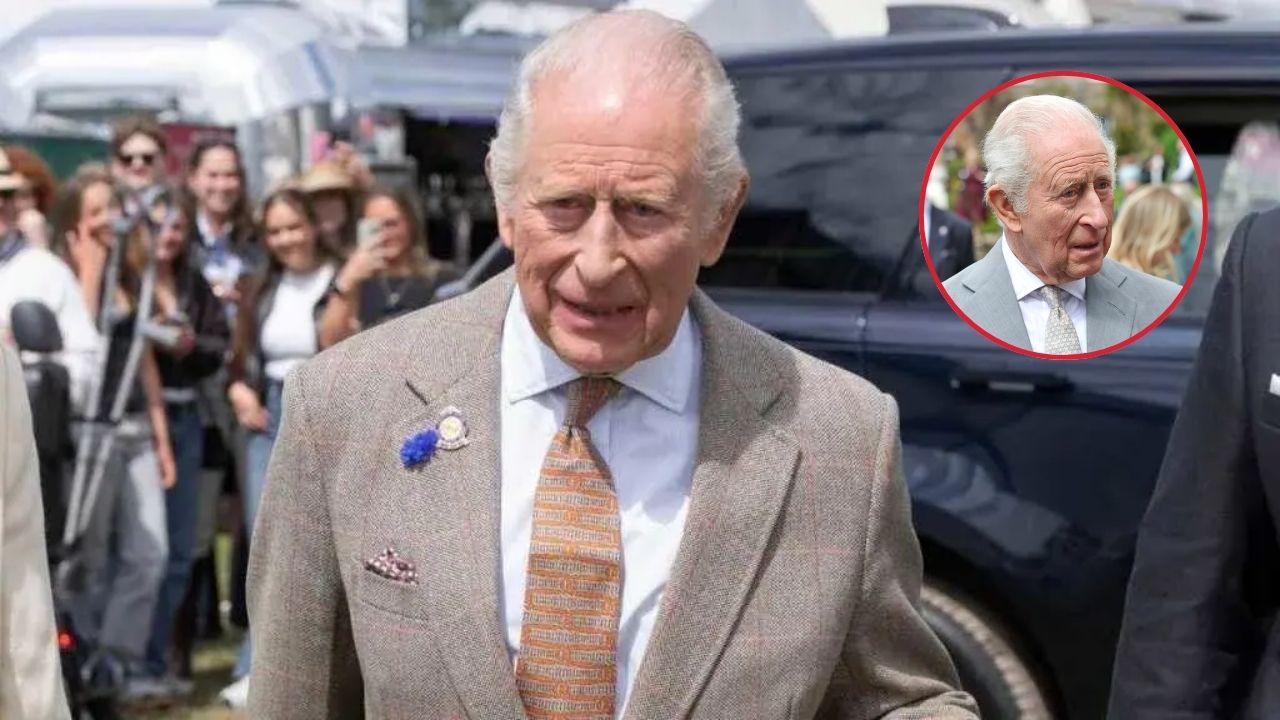
A British radio station found itself at the center of widespread attention after mistakenly broadcasting an announcement suggesting that King Charles III had died. The unexpected message quickly spread across social media, prompting confusion among listeners and triggering a wave of online speculation before the error was clarified.
The incident highlights how rapidly misinformation can circulate in the digital age, especially when it involves high-profile public figures such as the British monarch. While the announcement was quickly identified as a mistake, it generated significant public interest and renewed discussion about media accuracy and broadcasting procedures.
Mistaken Broadcast Causes Alarm
The confusion began when listeners heard a report that appeared to indicate the death of King Charles III. Given the importance of the British monarchy and the global attention surrounding the royal family, the announcement immediately drew reactions from audiences both in the United Kingdom and abroad.
Many listeners initially believed the report to be genuine, while others questioned its authenticity due to the absence of official confirmation from royal sources. Within minutes, social media platforms were flooded with posts discussing the announcement and seeking clarification.
The situation demonstrated how quickly unverified information can gain momentum when it concerns major national figures.
Social Media Amplifies the Story
As word of the broadcast spread, users on platforms such as X, Facebook, and Instagram began sharing screenshots, comments, and reactions. Some individuals expressed shock, while others urged caution until official statements became available.
Trending discussions rapidly emerged, with thousands of users searching for updates regarding the King’s condition and the validity of the radio announcement.
The speed at which the story circulated reflected the modern information environment, where news can travel globally within moments. Even a brief broadcasting error can attract massive attention before corrections are issued.
Media analysts noted that social media often accelerates both accurate reporting and misinformation, making verification increasingly important.
No Official Confirmation Emerged
One factor that fueled skepticism was the lack of confirmation from official royal channels. Major developments involving the British monarch are typically announced through carefully coordinated statements from Buckingham Palace and other government institutions.
As journalists and media organizations sought clarification, no official announcement supporting the report appeared. This absence quickly led many observers to suspect that the radio broadcast had been made in error.
News organizations generally rely on multiple sources and official confirmation before reporting significant developments involving members of the royal family. In this case, those safeguards helped prevent the mistaken announcement from gaining broader credibility among established media outlets.
Radio Station Addresses the Error
Following the confusion, the radio station acknowledged that the report had been broadcast accidentally. The organization moved to correct the mistake and reassure listeners that King Charles III had not died.
While details regarding the cause of the error varied, such incidents can sometimes result from technical testing, internal communications issues, or human mistakes during broadcasting operations.
Media organizations often maintain prepared content for major national events, including the deaths of prominent public figures. These materials are typically stored and updated as part of standard contingency planning. If handled improperly, however, they can occasionally be released unintentionally.
The station’s clarification helped ease concerns and bring the situation under control.
Why Royal News Draws Intense Attention
News involving the British royal family consistently attracts substantial public interest. The monarchy remains one of the most recognized institutions in the world, and developments involving senior royals often become international headlines.
King Charles III assumed the throne following the death of Queen Elizabeth II, whose reign lasted more than seven decades. Since then, public attention surrounding the King, Queen Camilla, and other members of the royal family has remained exceptionally high.
Because of this visibility, even rumors or inaccurate reports can generate widespread discussion and extensive media coverage.
Experts say the public’s emotional connection to royal events contributes to the rapid spread of such stories online.
Challenges Facing Modern Newsrooms
The accidental announcement also highlights the challenges faced by modern media organizations. Newsrooms operate in a highly competitive environment where speed and accuracy must be carefully balanced.
Broadcasters increasingly manage large volumes of digital content, emergency procedures, and automated systems. While these tools improve efficiency, they can also create risks if safeguards fail.
Media companies invest heavily in editorial oversight, verification processes, and technical controls to prevent errors. Nevertheless, occasional mistakes can still occur, particularly during live broadcasting environments where decisions are often made quickly.
Industry observers note that transparency and rapid corrections are essential when such incidents happen.
Public Reaction Remains Mixed
After the mistake was clarified, reactions ranged from relief to criticism. Some listeners expressed understanding, acknowledging that errors occasionally occur in broadcasting. Others questioned how such a significant announcement could be aired without additional verification.
The event also generated broader discussions about trust in media and the responsibilities of news organizations when reporting on sensitive topics.
For many observers, the incident served as a reminder of the importance of relying on official sources and established journalism standards before accepting major claims as fact.
The public response underscored the heightened scrutiny that media organizations face in today’s fast-moving news cycle.
Lessons From the Incident
Although the mistaken report was corrected relatively quickly, the episode offers important lessons about information consumption in the digital era. Audiences increasingly encounter breaking news through multiple channels simultaneously, including traditional broadcasting, websites, and social media platforms.
Experts recommend verifying major reports through reputable news organizations and official statements before sharing them online. Doing so can help reduce the spread of misinformation and prevent unnecessary confusion.
The accidental announcement involving King Charles III may ultimately be remembered as a brief broadcasting mistake, but it also illustrates how rapidly information can move and how important accuracy remains in modern journalism.
As media organizations continue adapting to an increasingly connected world, maintaining public trust through careful verification and responsible reporting remains more important than ever.