
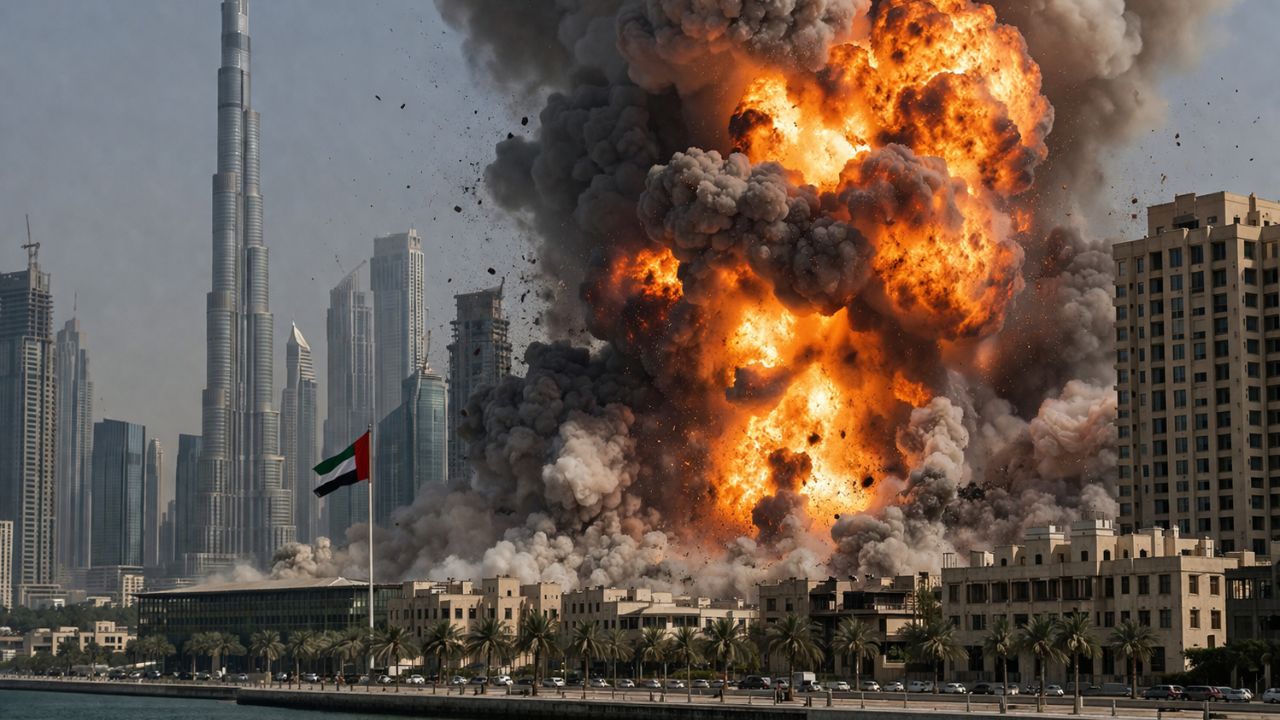
As tensions intensify across the Middle East, a growing number of countries—including the United Arab Emirates, Israel, Qatar, Bahrain, Oman, Saudi Arabia, and Yemen—have issued urgent advisories and safety measures for residents and travelers. In response to the rapidly evolving crisis, Germany has stepped forward with a coordinated effort to assist its citizens, focusing on safe departures, emergency helplines, and logistical support for those stranded in high-risk areas.
This combined response reflects both the seriousness of the situation and the need for swift international cooperation to ensure civilian safety.
Rising Regional Tensions Trigger Emergency Measures
The latest developments come amid escalating military activity and security concerns across multiple parts of the Middle East. Governments in the region have responded by issuing travel alerts, restricting movement in sensitive areas, and enhancing security protocols.
Countries such as the UAE, Qatar, and Saudi Arabia have advised residents and visitors to remain cautious, avoid crowded places, and follow official guidance. Israel and Yemen have also heightened alert levels, reflecting the broader regional impact of the crisis.
These advisories are not limited to local populations. Foreign nationals, including tourists and business travelers, are being urged to stay informed and prepare for possible disruptions to travel and daily life.
Germany Activates Crisis Response for Citizens Abroad
Germany has launched a structured and coordinated response to assist its nationals across affected Middle Eastern countries. The government has activated crisis management teams and expanded consular services to provide real-time support.
A key component of Germany’s response is the establishment of dedicated emergency helplines. These helplines allow citizens to:
- Register their location and status
- Receive updates on evacuation plans
- Access guidance on safe travel routes
- Request assistance for urgent needs
German authorities are also working closely with embassies and consulates in the region to ensure that support is accessible on the ground.
Focus on Safe Departure Routes
With airspace disruptions and flight cancellations affecting multiple countries, Germany is prioritizing the identification of safe departure routes for its citizens. This includes coordinating with airlines, regional authorities, and international partners to secure available flights.
Where direct departures are not possible, alternative options are being explored, such as:
- Transit through neighboring countries with operational airports
- Land routes to safer zones
- Charter flights arranged in collaboration with other nations
The goal is to provide flexible and secure options for citizens seeking to leave affected areas.
Collaboration with Regional and Global Partners
Germany’s efforts are part of a broader international response involving cooperation with Middle Eastern governments and other countries managing similar challenges.
Authorities in the UAE, Qatar, Bahrain, and Oman are working to maintain essential airport operations while ensuring safety. These countries are facilitating limited travel movements and providing support services to stranded passengers.
At the same time, European partners and other nations are sharing resources, including flight capacity and logistical coordination, to maximize the effectiveness of evacuation efforts.
This collaborative approach is crucial in managing a crisis that spans multiple borders and affects travelers from around the world.
Air Travel Disruptions Add Complexity
The situation has been further complicated by ongoing disruptions to air travel. Several countries have imposed restrictions on their airspace, leading to flight cancellations and rerouting.
Airlines are operating under strict safety guidelines, with limited schedules and changing routes. This has created challenges for both passengers and authorities trying to organize departures.
Travelers often face last-minute changes, extended waiting times, and limited availability of seats. Germany’s coordinated approach aims to reduce these uncertainties by providing clear communication and structured support.
On-Ground Support for Stranded Nationals
In addition to facilitating departures, Germany is ensuring that its citizens receive support while still in the region. Embassy teams are assisting with:
- Temporary accommodation arrangements
- Access to food and essential services
- Documentation and travel requirements
- Medical assistance where needed
These measures are particularly important for vulnerable individuals, including families, elderly travelers, and those with health conditions.
Advice for Travelers in Affected Areas
Authorities are emphasizing the importance of preparedness and awareness for anyone currently in the Middle East.
Travelers are advised to:
- Register with their embassy or consulate
- Keep identification and travel documents secure
- Monitor official updates regularly
- Avoid unnecessary travel and high-risk locations
Those planning to travel to the region are strongly encouraged to reconsider or postpone their trips until conditions stabilize.
A Test of Crisis Coordination
The current situation highlights the importance of effective crisis management and international coordination. Germany’s proactive approach demonstrates how governments can mobilize resources quickly to protect their citizens abroad.
At the same time, the response from Middle Eastern countries shows a commitment to maintaining order and safety despite challenging circumstances.
Looking Ahead
While efforts are underway to assist stranded nationals, uncertainty remains regarding how long the situation will continue. Authorities are closely monitoring developments and adjusting strategies as needed.
For now, the priority remains clear: ensuring safe departures, providing reliable information, and supporting those affected by the crisis.
As Germany and its partners continue their coordinated efforts, the situation serves as a reminder of the importance of preparedness and cooperation in an increasingly interconnected world.