
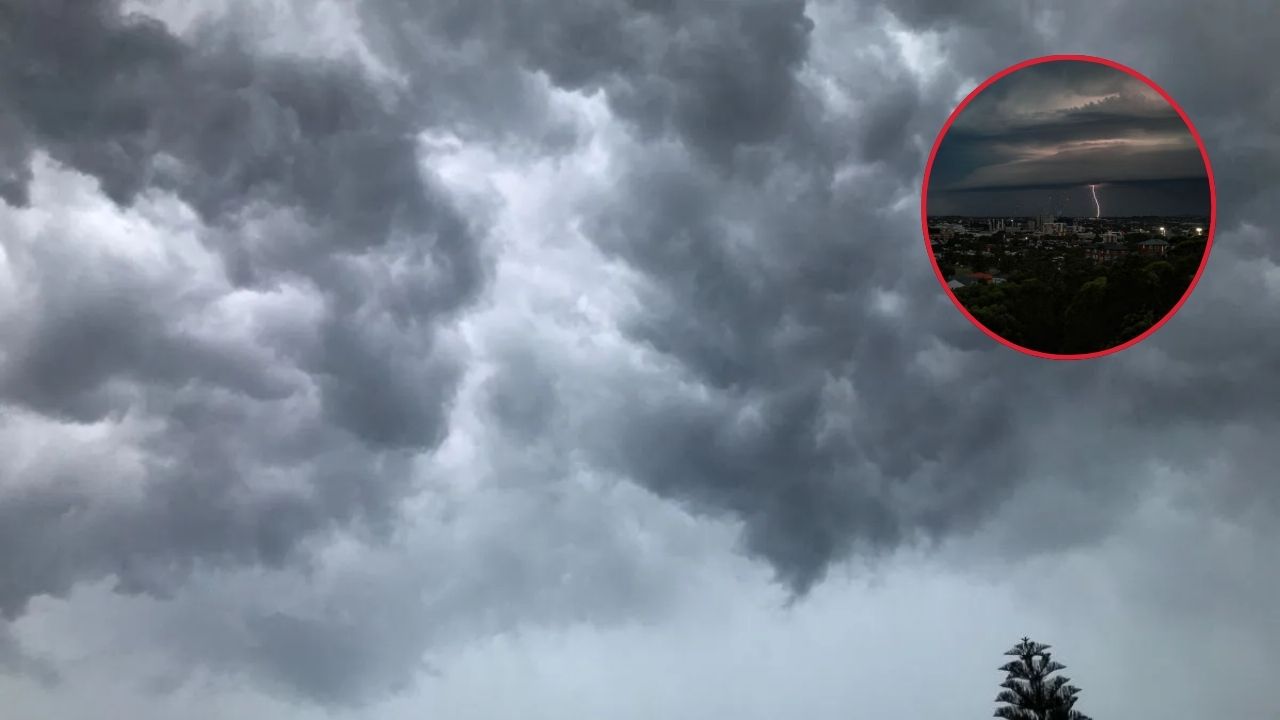
Residents across parts of the Northeast are being urged to prepare for dangerous weather as severe thunderstorms threaten to bring destructive winds, heavy rainfall, frequent lightning, and the risk of flash flooding. Weather officials have warned that some storms could produce wind gusts as high as 80 mph, creating hazardous conditions for communities in multiple states.
The National Weather Service (NWS) issued severe thunderstorm alerts for portions of New York, Massachusetts, and Vermont on Tuesday evening, warning that the fast-moving storm system could cause widespread damage and significant travel disruptions.
With strong winds capable of toppling trees and damaging buildings, officials are encouraging residents to stay indoors, monitor local forecasts, and avoid unnecessary travel until the storms move through the region.
Three States Under Weather Alert
The severe weather threat extends across three Northeastern states:
- New York
- Massachusetts
- Vermont
Communities across these areas face the possibility of rapidly changing weather conditions as powerful thunderstorms move through. While the intensity may vary from one location to another, meteorologists caution that some areas could experience the strongest storms of the season.
Residents are advised to remain weather-aware throughout the evening and pay close attention to local emergency alerts.
Winds Could Reach 80 MPH
One of the biggest concerns associated with the storm system is the potential for extremely strong wind gusts.
According to the National Weather Service, wind speeds may range from 60 mph to as high as 80 mph in the strongest storms. Winds of this magnitude are capable of causing extensive property damage and creating dangerous conditions for anyone outdoors.
Strong straight-line winds can uproot trees, snap large branches, damage roofs, shatter windows, and overturn lightweight structures. Parked vehicles may also suffer damage from falling debris.
Mobile homes are especially vulnerable during severe wind events, and residents living in such structures should consider moving to a safer location if conditions worsen.
Heavy Rain Raises Flash Flood Concerns
In addition to damaging winds, the thunderstorms are expected to produce periods of torrential rainfall.
Heavy downpours falling over a short period can overwhelm drainage systems and cause flash flooding, particularly in low-lying neighborhoods and areas with poor drainage.
Floodwaters can develop quickly, sometimes with little warning, making roads extremely dangerous.
Emergency officials continue to remind drivers never to attempt crossing flooded streets. Even a relatively shallow amount of moving water can carry away a vehicle or hide damage beneath the surface.
Choosing an alternate route or delaying travel is often the safest option during flash flood conditions.
Lightning Adds Another Hazard
The storm system is also expected to produce frequent lightning and loud thunder.
Lightning remains one of the most dangerous weather hazards because it can strike several miles away from the center of a storm. Outdoor activities become extremely risky once thunder is heard.
People should immediately seek shelter inside a substantial building or enclosed vehicle if thunderstorms approach.
Avoid open fields, isolated trees, metal fences, and bodies of water until at least 30 minutes after the last clap of thunder.
Possible Power Outages Across the Region
Utility companies may face scattered to widespread outages if strong winds bring down trees or power lines.
Fallen branches can interrupt electrical service for thousands of customers while also blocking roads and creating additional safety hazards.
Residents are encouraged to charge phones and essential electronic devices before severe weather arrives. Keeping flashlights, batteries, bottled water, and emergency supplies readily available can also help households prepare for temporary power interruptions.
Anyone encountering downed power lines should stay well away from them and immediately report the hazard to local utility providers or emergency services.
Travel Could Become Dangerous
Driving conditions may deteriorate rapidly as thunderstorms move through the region.
Heavy rain can significantly reduce visibility, while strong crosswinds may make it difficult to control vehicles, especially trucks, SUVs, and other high-profile vehicles.
Roads littered with tree limbs or other storm debris can create additional hazards.
Motorists planning evening travel should monitor weather updates and be prepared for delays or temporary road closures if severe weather intensifies.
Air travelers may also experience delays at regional airports if thunderstorms affect flight operations.
How Residents Can Stay Safe
Weather experts recommend taking several precautions before severe thunderstorms arrive.
Secure outdoor furniture, garbage bins, and other loose objects that could become airborne in strong winds. Park vehicles inside garages when possible or away from large trees.
Remain indoors during the storm and avoid unnecessary travel until conditions improve.
Keep multiple ways to receive weather warnings, including smartphone emergency alerts, local television broadcasts, weather radio, or trusted weather apps.
If a severe thunderstorm warning is issued for your area, move immediately to an interior room on the lowest floor of a sturdy building and stay away from windows.
Continue Monitoring Forecast Updates
Severe thunderstorms can change strength and direction quickly, making it important to stay informed throughout the event.
The National Weather Service continues to monitor the evolving weather system and may issue additional warnings if conditions become more dangerous.
Residents in New York, Massachusetts, and Vermont should remain alert until the storms have completely passed. With damaging winds reaching up to 80 mph, heavy rainfall capable of causing flash flooding, and dangerous lightning, taking early safety precautions can help reduce risks and protect lives during this significant weather event.