
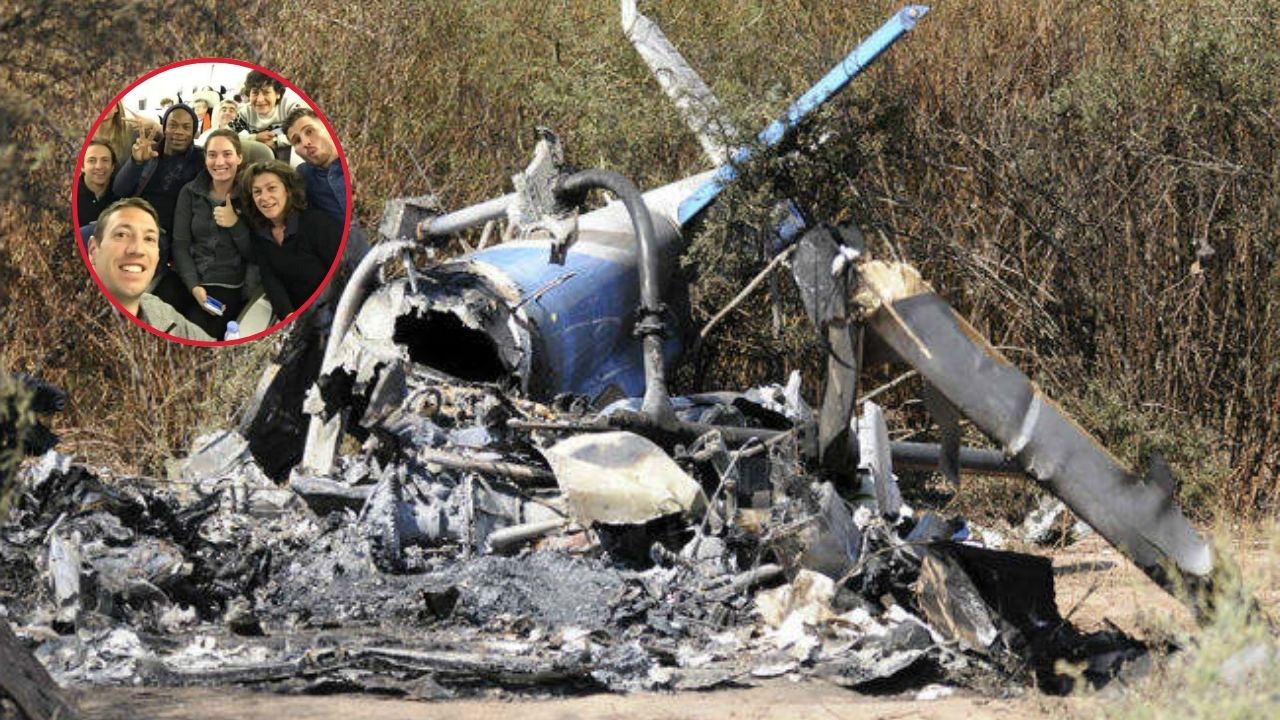
The Camille Muffat accident remains one of the most heartbreaking events in modern sports history. On March 9, 2015, the Olympic swimming champion lost her life in a devastating helicopter collision while filming a television reality show in Argentina.
The disaster claimed 10 lives, including several internationally recognized French athletes and television crew members. What began as a routine filming day for a survival-based reality series ended in tragedy within seconds of takeoff.
More than a decade later, the accident continues to be remembered as a defining moment that raised serious questions about safety standards in television productions involving aircraft and extreme environments.
A Champion Beyond the Pool
Before the tragedy, Camille Muffat was one of France’s most celebrated athletes.
Born in Nice, France, she built an outstanding swimming career and became a national sports icon. Her greatest achievement came at the 2012 London Olympic Games, where she won the gold medal in the women’s 400-meter freestyle.
In addition to her Olympic title, Muffat earned multiple international medals and gained admiration for her dedication, discipline, and sportsmanship.
At just 25 years old, she had already secured a lasting place in French sporting history.
Filming a New Reality Show
In early 2015, Muffat joined the cast of a new French television program called Dropped.
The concept of the show involved transporting well-known athletes into remote wilderness locations where they would face survival-style challenges. The project was being produced for French broadcaster TF1 and filmed in Argentina’s rugged landscapes.
The show featured several prominent French sports figures, making it one of the country’s most anticipated television productions.
On the day of the accident, filming operations were underway in the La Rioja Province of northwestern Argentina.
The Helicopter Flight
Production crews relied on helicopters to transport contestants and staff across difficult terrain.
Two Eurocopter AS350 Écureuil helicopters were scheduled to fly participants and crew members to another filming location. Weather conditions were reported to be favorable, with no significant environmental concerns affecting visibility or flight operations.
Both aircraft departed from a staging area within a sparsely populated region characterized by dry scrubland and open terrain.
What happened next unfolded in a matter of moments.
Collision After Takeoff
Shortly after leaving the ground, the two helicopters began climbing away from the departure zone.
At an altitude estimated at around 100 meters, the aircraft moved dangerously close to one another. During a maneuver, their rotor systems made contact.
The collision caused catastrophic damage to both helicopters almost instantly.
Without functioning rotor systems, neither aircraft could remain airborne. Both helicopters rapidly lost control and crashed into the ground.
The impact was followed by a massive fire that engulfed the wreckage, leaving no opportunity for survival.
No Survivors
All 10 people aboard the two helicopters died in the accident.
Among the victims was Camille Muffat, whose death shocked the sporting community in France and around the world.
Also killed were two other famous French athletes: renowned sailor Florence Arthaud and boxer Alexis Vastine, an Olympic medalist who had represented France on the international stage.
The remaining victims included television production personnel and the two experienced Argentine pilots operating the aircraft.
The complete loss of life made the disaster one of the deadliest incidents involving a television production in recent memory.
Investigation Into the Crash
Following the accident, aviation authorities launched a detailed investigation to determine the cause.
Experts analyzed flight data, wreckage evidence, witness accounts, and operational procedures used during filming.
Investigators eventually concluded that pilot error played a central role in the tragedy. According to official findings, the pilots failed to maintain adequate separation while operating in close proximity during the early stages of flight.
The investigation also noted that cockpit visibility limitations may have contributed to the pilots’ inability to accurately monitor each other’s position during a maneuver.
The findings highlighted the risks associated with formation-style flying at low altitude.
France Mourns Its Sporting Heroes
The news of the accident triggered an outpouring of grief across France.
Tributes arrived from athletes, coaches, political leaders, and fans. Camille Muffat’s accomplishments in the pool had made her one of the country’s most admired Olympians, and her sudden death deeply affected the public.
Similar tributes were paid to Florence Arthaud, a pioneering sailor celebrated for her achievements in offshore racing, and Alexis Vastine, whose boxing career inspired many young athletes.
Memorial services and public commemorations reflected the scale of the national loss.
For many people, the tragedy represented the loss of a generation of sporting talent.
Production Halted Immediately
In the aftermath of the accident, broadcaster TF1 immediately suspended work on Dropped.
The remaining contestants and crew members were transported back to France as authorities continued their investigation.
The production never resumed in its original form.
Questions soon emerged regarding risk assessments, operational planning, and safety oversight during the filming process. The incident attracted widespread media attention because it involved both television production and aviation operations.
The combination of celebrity participants and multiple fatalities intensified public scrutiny.
Legal and Safety Questions
The crash prompted extensive legal reviews in both France and Argentina.
Authorities examined whether adequate safety measures had been implemented before filming activities involving aircraft transportation. Investigators also reviewed communication protocols, flight planning decisions, and operational responsibilities.
The tragedy contributed to broader discussions about the risks faced by participants and crew members in reality television productions filmed in remote environments.
Industry professionals increasingly emphasized stronger oversight and more rigorous safety standards for future projects.
Camille Muffat’s Lasting Legacy
Although her life ended far too soon, Camille Muffat’s legacy remains secure.
She is remembered not only for her Olympic gold medal but also for her determination, humility, and impact on French swimming. Her achievements inspired countless young athletes to pursue competitive sports and dream of international success.
The helicopter disaster of 2015 remains a tragic chapter in sports history, but it does not define her career. Instead, Camille Muffat is remembered as a champion who reached the highest level of her sport and left a lasting mark on the Olympic movement.
More than ten years later, her accomplishments continue to be celebrated, ensuring that her legacy lives on far beyond the tragedy that took her life.