
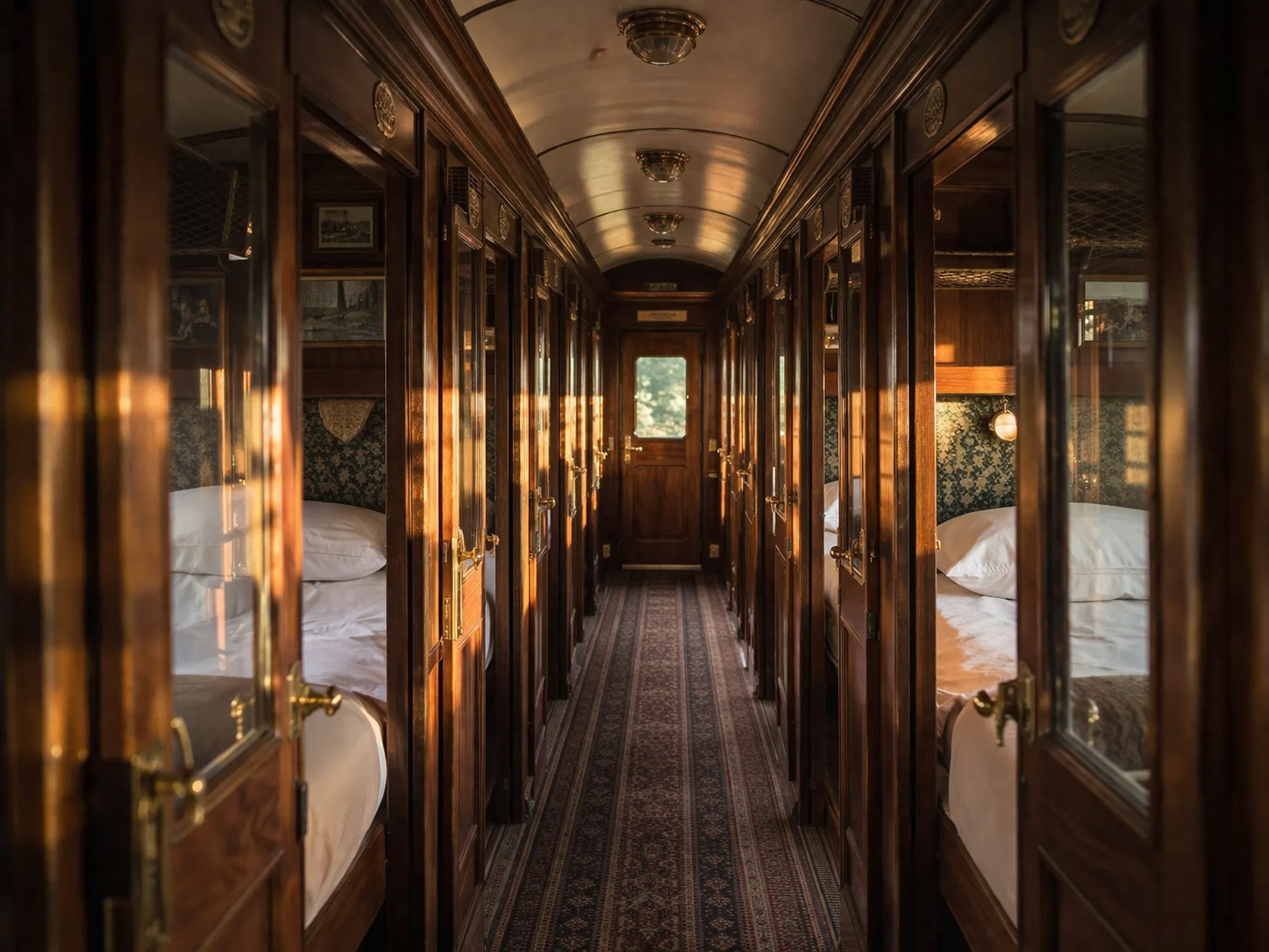
A new chapter in European tourism is unfolding as France, Germany, Belgium, the Netherlands, and the Czech Republic roll out expansive sleeper night train services designed for modern travelers. These cross-border rail connections are redefining how people explore the continent, offering a seamless blend of comfort, sustainability, and adventure.
As travelers increasingly look for alternatives to short-haul flights, sleeper trains are emerging as a compelling option—turning overnight journeys into memorable travel experiences rather than mere transit.
A Return to Overnight Rail Travel
Sleeper trains are not new to Europe, but their resurgence signals a shift in travel priorities. Once overshadowed by budget airlines, overnight rail services are making a strong comeback, driven by growing demand for eco-friendly and immersive travel.
Countries like France and Germany are leading the revival, investing in modern rolling stock and improved onboard amenities. Belgium, the Netherlands, and the Czech Republic are strengthening regional connectivity, ensuring that travelers can move effortlessly between major cities and lesser-known destinations.
This renewed focus on night trains reflects a broader effort to create a more sustainable and connected European travel network.
Expanding Cross-Border Connectivity
The new sleeper services are designed to bridge key cities across Europe, enabling travelers to journey overnight from Paris to Berlin, Amsterdam to Prague, and Brussels to Munich with ease.
By connecting major capitals and cultural hubs, these routes eliminate the need for multiple transfers or long airport waits. Passengers can board in the evening and wake up in a new destination, ready to begin their day.
This enhanced connectivity is particularly appealing to adventure seekers who want to maximize their time exploring rather than navigating complex travel logistics.
Comfort Meets Modern Design
Today’s sleeper trains are a far cry from their traditional counterparts. Modern cabins are designed with comfort and privacy in mind, offering options ranging from shared couchettes to private compartments with ensuite facilities.
Passengers can enjoy features such as ergonomic bedding, climate control, charging ports, and onboard dining services. Some trains even include lounge areas where travelers can relax and socialize during the journey.
These upgrades are transforming overnight rail travel into a premium experience that rivals air travel in both convenience and comfort.
A Sustainable Alternative to Flying
One of the biggest drivers behind the expansion of sleeper trains is sustainability. Rail travel produces significantly lower carbon emissions compared to air travel, making it an attractive option for environmentally conscious travelers.
European governments are actively promoting rail as part of their climate strategies, encouraging passengers to choose trains over planes for short- and medium-distance journeys.
By shifting more travelers to rail, countries like Germany and the Netherlands are aiming to reduce congestion in the skies while supporting greener tourism practices.
Boosting Tourism Beyond Major Cities
The new sleeper routes are not limited to major capitals—they also open access to smaller cities and hidden gems along the way. Travelers can discover destinations that are often overlooked when flying directly between large hubs.
This expanded reach benefits local economies, as increased visitor numbers bring new opportunities for businesses, hotels, and cultural attractions in these regions.
For adventure seekers, this means a more diverse and enriching travel experience, with the chance to explore Europe beyond its most प्रसिद्ध landmarks.
A Seamless Travel Experience
One of the key advantages of sleeper trains is the simplicity they offer. Unlike air travel, which often involves long security checks and early arrivals, rail journeys are typically more straightforward and time-efficient.
Passengers can arrive at the station shortly before departure, board with ease, and settle into their cabins without the stress associated with airports. The ability to sleep during the journey also eliminates the need for overnight hotel stays, making travel both convenient and cost-effective.
Growing Demand Among Modern Travelers
The resurgence of sleeper trains reflects changing traveler preferences. Today’s tourists are seeking experiences that combine comfort, sustainability, and authenticity.
Younger travelers, in particular, are embracing rail travel as a way to slow down and enjoy the journey itself. The scenic routes, social atmosphere, and reduced environmental impact align with their values and travel goals.
At the same time, business travelers are also recognizing the benefits of overnight rail, using travel time productively while avoiding the fatigue of early morning flights.
Challenges and Future Opportunities
While the expansion of sleeper services is promising, challenges remain. Coordinating schedules across multiple countries, upgrading infrastructure, and maintaining affordability are key issues that need to be addressed.
However, ongoing investment and collaboration between European nations are helping to overcome these obstacles. New routes are expected to be introduced in the coming years, further strengthening the network.
As technology and demand continue to evolve, sleeper trains are likely to play an even bigger role in Europe’s transportation landscape.
A New Era of European Exploration
The introduction of expansive sleeper night train services marks a turning point for European tourism. By combining convenience, sustainability, and adventure, these services are reshaping how travelers experience the continent.
France, Germany, Belgium, the Netherlands, and the Czech Republic are leading this transformation, creating a travel network that prioritizes both efficiency and experience.
For travelers, this means more than just reaching a destination—it’s about embracing the journey, discovering new places along the way, and traveling in a way that aligns with the future of global tourism.