
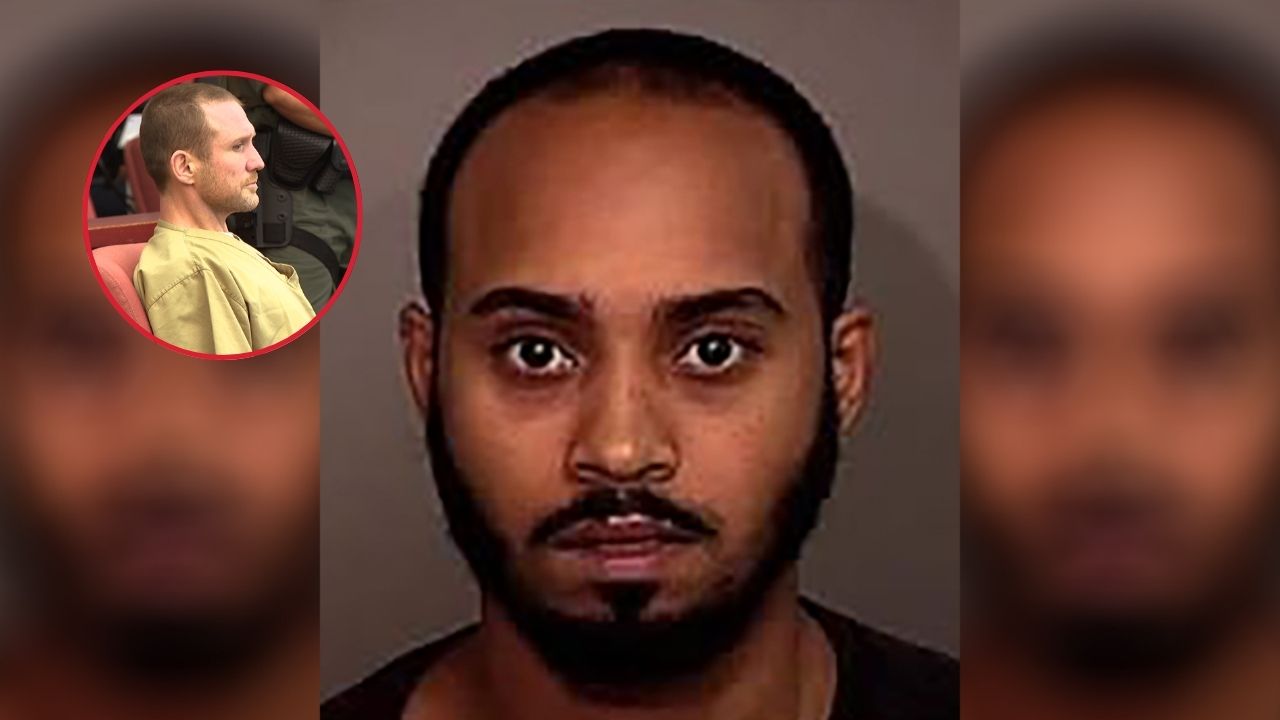
A Florida man is facing fraud-related charges after investigators accused him of carrying out a deceptive email scheme that allegedly tricked a DeSoto County resident into paying thousands of dollars in fraudulent permit fees.
Authorities say the suspect created a convincing impersonation of a local government agency, leading the victim to believe they were completing a legitimate step in the county permit approval process. The case has raised concerns about increasingly sophisticated scams that exploit public trust in government communications.
Law enforcement officials recently announced the arrest of 48-year-old Jose Alfonso Dejesus of Miami in connection with the investigation.
Alleged Scam Targeted Permit Applicant
According to investigators, the victim was actively pursuing permit approval through DeSoto County’s Planning and Building Department when the alleged fraud occurred.
Because the individual was already engaged in an official permitting process, communications related to applications, approvals, and fees would not have appeared unusual.
Authorities believe the suspect used this situation to his advantage by sending a message designed to look like a legitimate government communication.
The timing of the email allegedly played a critical role in convincing the victim that the request was genuine.
Email Appeared to Come From County Agency
Investigators say the fraudulent message claimed to originate from the “DeSoto County Board of Adjustment.”
The email reportedly appeared professional and was crafted to resemble an authentic communication from a government office. According to authorities, the message informed the victim that additional payment was required as part of the permit approval process.
Believing the request was legitimate, the recipient followed the instructions provided in the email.
Officials later determined that the communication was not sent by any authorized county department.
Instead, investigators allege it was part of a carefully planned fraud scheme.
Victim Pays Thousands in Fake Fees
Authorities say the deception resulted in a financial loss of $3,950.
The victim reportedly submitted payment after believing the funds were necessary to continue moving forward with the permit application.
Only later did it become apparent that the payment was not associated with any legitimate county fee or official government transaction.
The discovery prompted an investigation into where the money had been sent and who controlled the account receiving the funds.
That inquiry eventually led detectives to identify a suspect.
Investigators Trace the Money
One of the most significant breakthroughs came when investigators followed the financial trail connected to the payment.
Authorities discovered that the funds had been deposited into a bank account using a name designed to appear official.
According to law enforcement, the account was listed as “DESOTO COUNTY-BOARD OF ADJUSTMENT,” a title that closely resembled a legitimate government office.
However, investigators determined the account was not affiliated with DeSoto County government operations.
Instead, authorities allege the account was controlled entirely by Jose Alfonso Dejesus.
The account’s naming structure became a key piece of evidence in the case.
Detective Leads Investigation
The investigation was led by Detective Jason Baun of the DeSoto County Sheriff’s Office.
Authorities say the detective spent months reviewing records, analyzing financial information, and tracing electronic communications connected to the alleged scheme.
Through those efforts, investigators identified Dejesus as the primary suspect in April 2026.
The case demonstrates how modern fraud investigations often require extensive digital analysis and cooperation between financial institutions and law enforcement agencies.
Officials credited the investigative work for helping identify the person allegedly responsible.
Arrest Warrant Issued
Following the investigation, authorities sought criminal charges against the suspect.
An arrest warrant was issued accusing Dejesus of participating in a scheme to defraud involving an amount below $20,000.
Under Florida law, fraud offenses can carry significant penalties depending on the circumstances, financial losses involved, and evidence presented in court.
The warrant marked an important step in moving the case from investigation to prosecution.
Law enforcement agencies then began efforts to locate the suspect.
Suspect Located in Central Florida
Authorities eventually tracked Dejesus to Winter Garden, a city located west of Orlando.
Deputies successfully located and arrested him without incident.
Following his arrest, he was taken into custody to begin the legal process associated with the charges.
Officials have not publicly disclosed additional details regarding his court appearances or potential defense strategy.
As with all criminal cases, the allegations remain subject to judicial review and must ultimately be proven in court.
Growing Threat of Government Impersonation Scams
The DeSoto County case highlights a growing problem facing residents and businesses nationwide.
Fraudsters increasingly create emails, websites, and documents that closely mimic official government communications. These schemes often target individuals involved in licensing, permitting, tax payments, or regulatory applications.
Because victims are already expecting communication from government agencies, fraudulent messages can appear especially convincing.
Cybercriminals frequently exploit public trust in government institutions to persuade victims to transfer money or reveal sensitive information.
Experts say these tactics have become increasingly sophisticated in recent years.
Warning Signs to Watch For
Officials often encourage residents to verify any unexpected payment requests before sending money.
Common warning signs include unusual payment instructions, requests for immediate action, suspicious email addresses, or demands for payments through unfamiliar methods.
Individuals involved in permit applications, property transactions, or government licensing processes should confirm requests directly with the relevant agency using publicly listed contact information.
Taking a few minutes to verify a communication can prevent significant financial losses.
Authorities emphasize that legitimate government offices typically provide clear documentation and established payment procedures.
Community Reminder About Fraud Prevention
The case serves as an important reminder that scammers continue adapting their methods to target unsuspecting victims.
While technology allows government agencies to communicate more efficiently with residents, it also creates opportunities for criminals to imitate official messages.
Law enforcement agencies regularly encourage citizens to remain cautious when receiving emails requesting payments or personal information.
Public awareness remains one of the most effective tools for preventing fraud.
Investigation Highlights Importance of Vigilance
The arrest of Jose Alfonso Dejesus marks a significant development in the DeSoto County fraud investigation, but the case also underscores broader concerns about online scams targeting individuals through deceptive communications.
Authorities allege that a carefully crafted email convinced a resident to transfer nearly $4,000 in fake permit fees, illustrating how convincing fraudulent schemes can be when they mirror legitimate government processes.
As the criminal case moves through the court system, officials continue urging residents to verify payment requests, remain alert to suspicious communications, and report potential fraud immediately.
For investigators, the case demonstrates the importance of following financial trails and digital evidence. For the public, it serves as a reminder that even seemingly official emails should always be carefully verified before any money changes hands.