
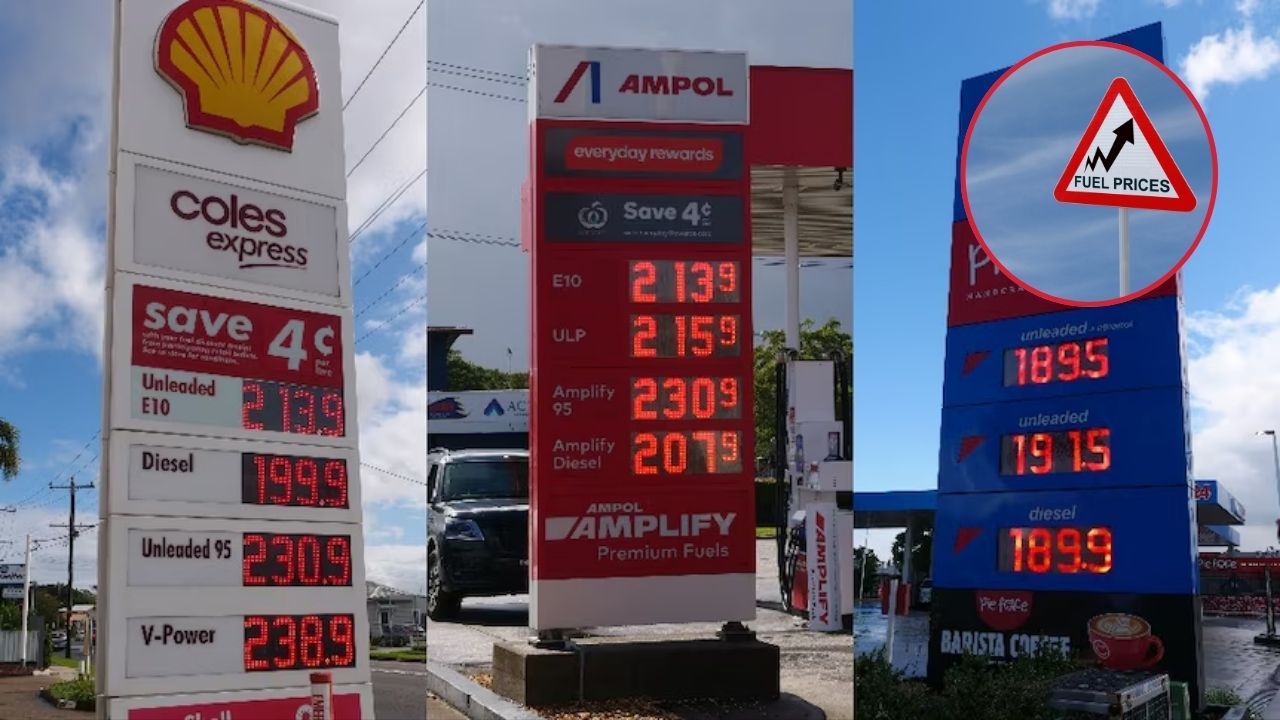
Australian motorists are preparing for another increase in fuel costs as important changes to the federal fuel excise take effect from July 1, 2026. The updated tax arrangement is expected to push petrol and diesel prices higher across much of the country, adding extra pressure to household budgets already affected by the rising cost of living.
Although higher prices are likely over the coming weeks, drivers still have opportunities to reduce their fuel expenses by understanding price cycles, using fuel-saving technology, and making a few simple changes to their driving habits.
Here’s what Australians need to know about the latest fuel price changes and how to keep fuel costs under control.
Why Fuel Prices Are Increasing
The biggest reason for the July price rise is the gradual removal of the temporary fuel excise relief introduced earlier to help offset global energy price volatility.
Until June 30, motorists benefited from a 32-cent-per-litre reduction in fuel excise. From July 1, that discount is reduced by half, leaving a 16-cent-per-litre tax reduction in place for a limited period.
As service stations begin replacing existing fuel stocks with newly taxed supplies, drivers are expected to notice petrol prices rising by around 16 to 18 cents per litre. Diesel prices are also forecast to increase as wholesalers pass higher costs through the supply chain.
The remaining temporary excise relief is scheduled to end in early August, when fuel excise is expected to return to its standard rate.
What Drivers Can Expect at the Bowser
Industry forecasts suggest average unleaded petrol prices in many major Australian cities could move above $1.80 per litre, while diesel may exceed $2.10 per litre, depending on regional supply conditions and international oil markets.
Actual prices will continue to vary between locations because retail fuel costs depend on several factors, including transport expenses, local competition, wholesale pricing, and city fuel cycles.
Motorists in metropolitan areas may see larger day-to-day fluctuations than those living in regional communities, making it worthwhile to compare prices before filling up.
Fuel Price Cycles Still Matter
One of the easiest ways to save money is understanding how Australia’s fuel price cycles work.
Petrol prices in many capital cities follow predictable patterns, with prices gradually falling before suddenly jumping back to higher levels. Buying fuel during the cheaper phase of the cycle can significantly reduce weekly fuel expenses.
Rather than filling the tank whenever it becomes convenient, many experienced motorists monitor local pricing trends and wait until prices approach the lower end of the cycle whenever possible.
Timing alone can save regular commuters hundreds of dollars over an entire year.
Use Fuel Price Apps
Technology has made comparing fuel prices easier than ever.
Government-supported fuel price services and retailer apps allow drivers to check nearby service stations before deciding where to refuel. These platforms often display real-time prices, making it possible to avoid unnecessarily expensive stations.
Some retailers also offer price-lock features that allow customers to secure a lower fuel price for several days before visiting the service station.
Taking a few minutes to compare prices can produce meaningful savings, particularly when fuel costs are rising across the country.
Loyalty Programs Can Reduce Costs
Fuel discounts linked to supermarket loyalty programs continue to provide valuable savings for many households.
While traditional discount vouchers remain useful, subscription-based membership programs offered by major supermarket chains may provide additional grocery savings alongside larger fuel discounts.
Families who regularly combine grocery rewards with fuel offers often reduce both supermarket and petrol expenses throughout the year.
Although membership programs involve monthly fees, frequent shoppers may recover those costs through ongoing discounts.
Small Driving Changes Save More Fuel
Improving driving habits remains one of the most effective ways to reduce fuel consumption.
Smooth acceleration, maintaining consistent speeds, and avoiding unnecessary hard braking all help improve fuel efficiency.
Drivers should also keep tyres properly inflated because underinflated tyres increase rolling resistance and force the engine to use more fuel.
Planning journeys to avoid unnecessary trips and combining multiple errands into one outing can also reduce weekly fuel use.
Even small improvements become significant over months of regular driving.
Remove Unnecessary Weight
Many vehicles carry equipment that is rarely used but still affects fuel economy.
Roof racks, storage pods, bike carriers, and heavy items stored in the boot increase weight and aerodynamic drag, making engines work harder.
Removing unnecessary accessories when they are no longer needed can improve fuel efficiency, particularly during longer highway journeys.
For drivers of larger SUVs and four-wheel drives, reducing extra weight often produces noticeable savings over time.
ACCC Monitoring Fuel Retailers
Australian regulators are closely monitoring fuel pricing as the excise adjustment takes effect.
The Australian Competition and Consumer Commission has indicated it will watch fuel retailers carefully to ensure price increases reflect genuine supply costs rather than unnecessary mark-ups.
Because service stations purchased fuel at different times, prices may not increase uniformly across every location on July 1.
Motorists are encouraged to compare nearby service stations instead of assuming all retailers will charge identical prices.
Smart Planning Can Reduce the Impact
Although higher petrol prices appear unavoidable, drivers still have several practical ways to manage the increased costs.
Monitoring local fuel prices, taking advantage of discount programs, improving driving habits, maintaining correct tyre pressure, and removing unnecessary vehicle weight can collectively reduce annual fuel spending by hundreds of dollars.
The July 2026 fuel excise adjustment marks another important change for Australian motorists, but informed drivers will be in a stronger position to minimise its financial impact. With careful planning and smarter refuelling decisions, households can offset some of the additional expense while continuing to travel safely and efficiently throughout the year.