
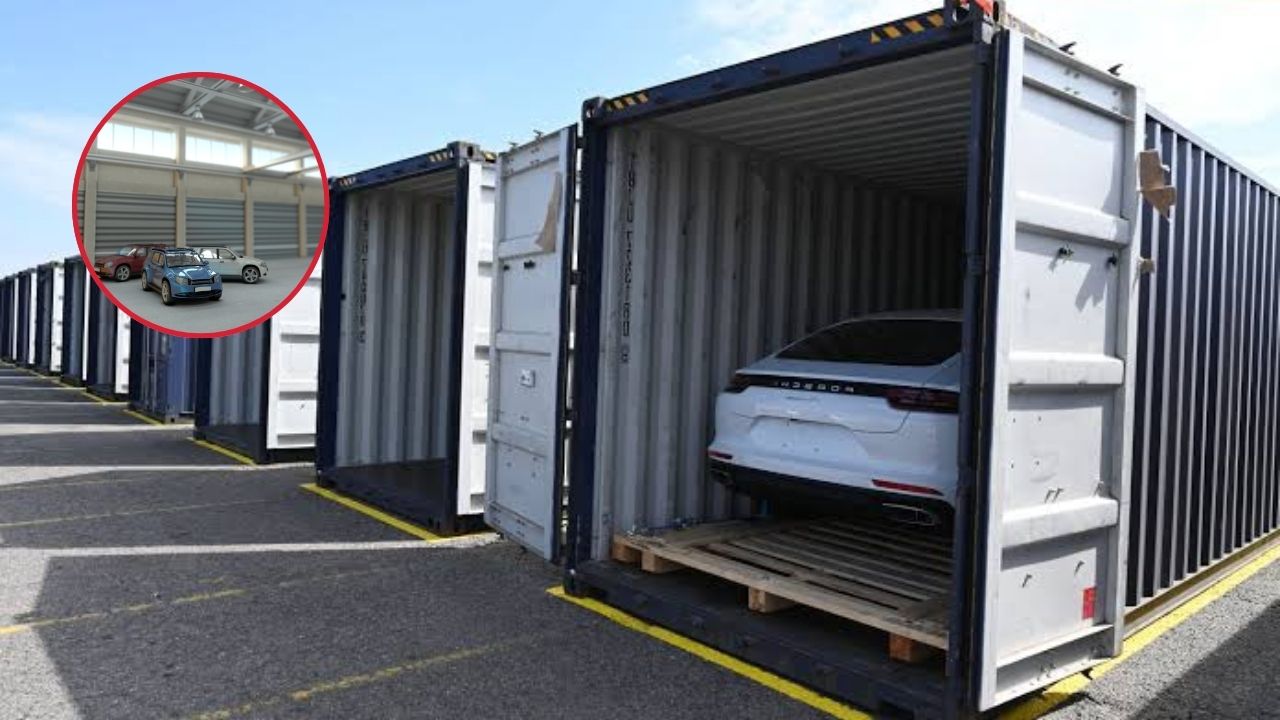
A year-long investigation into a sophisticated luxury vehicle theft network has led to one of the largest organized auto crime cases in recent New Jersey history. State authorities announced charges against 63 people accused of participating in a criminal enterprise that allegedly stole more than 90 high-end vehicles valued at over $8 million before shipping many of them overseas.
Investigators say the operation extended far beyond simple car theft. It involved organized burglary crews, transportation teams, storage facilities, international shipping operations, and overseas buyers, creating what officials described as a highly structured criminal network.
Major Investigation Ends with Dozens of Arrests
New Jersey law enforcement agencies dismantled the alleged organization following a year-long investigation that tracked its activities from June 2025 through June 2026.
According to New Jersey Attorney General Jennifer Davenport, investigators uncovered a coordinated enterprise that targeted luxury vehicles across multiple communities before preparing them for international export.
Authorities charged 63 individuals, including three juveniles, with offenses connected to the alleged operation. Prosecutors say each suspect had a specific role that helped keep the enterprise running efficiently.
The case is being prosecuted under New Jersey’s racketeering laws, which are commonly used against organized criminal organizations operating through coordinated illegal activity.
Luxury Vehicles Were Primary Targets
Investigators say the theft crews focused almost exclusively on expensive vehicles with strong resale demand in overseas markets.
Among the brands allegedly targeted were Range Rover, Porsche, Ferrari, and BMW. These vehicles command high prices internationally, making them attractive targets for organized theft rings.
Rather than stealing random vehicles, authorities believe the group deliberately selected neighborhoods known for luxury homes and premium automobiles.
The total value of the stolen vehicles exceeds $8 million, highlighting the scale of the operation.
Burglars Entered Homes for Key Fobs
One of the most concerning aspects of the investigation involved the method used to steal the vehicles.
Instead of attempting to bypass electronic security systems or hotwire modern cars, investigators say burglary crews entered residences specifically to locate vehicle key fobs.
Once inside, suspects allegedly searched for keys before quietly driving away in the targeted vehicles.
This tactic reduced the need to defeat increasingly sophisticated anti-theft technology installed in newer luxury vehicles while also lowering the risk of damaging the cars before resale.
Authorities say the strategy became a defining feature of the criminal enterprise throughout the investigation.
Warehouse Served as Shipping Hub
After the vehicles were stolen, investigators say they were transported to a fenced shipping yard and warehouse located in Irvington, New Jersey.
According to authorities, the facility functioned as the organization’s central processing location. Vehicles were allegedly stored there before being loaded into shipping containers.
From the warehouse, the stolen automobiles were transported through ports in both New Jersey and New York.
Investigators believe this logistics network allowed the organization to move vehicles quickly before owners or law enforcement agencies could recover them.
Cars Were Sent to Buyers in West Africa
Authorities allege the stolen vehicles did not remain in the United States.
Instead, prosecutors say the luxury automobiles were exported across the Atlantic to private buyers in several West African countries, with Ghana and Nigeria identified as the primary destinations.
International trafficking of stolen vehicles remains a profitable criminal business because recovering exported automobiles is often difficult once they enter foreign markets.
Officials believe overseas demand for luxury SUVs and performance vehicles helped fuel the operation’s success during the year-long conspiracy.
The investigation involved tracing shipping records and export activity alongside vehicle theft reports.
Investigators Identify Alleged Leaders
Law enforcement officials identified several individuals accused of playing leadership roles within the organization.
Brian J. Peppers, 35, of Newark, and Fatim Wingate, 26, also of Newark, are accused of acting as primary fences while coordinating local theft crews responsible for obtaining luxury vehicles. Authorities additionally allege the pair has connections to an armed robbery investigation in Newark.
Standford Oduro, identified by authorities as 55 or 56 years old, allegedly operated the Irvington shipping yard where stolen vehicles were prepared for export.
Investigators also named Adamu Alhassan, 28, as one of the principal organizers responsible for managing the broader enterprise.
Prosecutors allege these individuals supervised different parts of the operation while working together to facilitate the theft, storage, transportation, and overseas distribution of stolen vehicles.
Wide Range of Criminal Charges Filed
Every defendant has been charged with first-degree racketeering, reflecting prosecutors’ allegation that the suspects participated in a coordinated criminal enterprise rather than isolated thefts.
Depending on each person’s alleged involvement, additional charges include:
- Motor vehicle theft
- Residential burglary
- Financial crimes
- Money laundering
- Related conspiracy offenses
The inclusion of three juveniles among those charged illustrates the broad scope of the investigation and the number of individuals allegedly involved in different stages of the operation.
As with all criminal cases, the charges remain allegations, and every defendant is presumed innocent unless proven guilty in court.
Organized Auto Theft Remains a Growing Challenge
Investigators say the case demonstrates how organized vehicle theft has evolved into an international business supported by specialized criminal roles and global shipping networks.
Rather than relying on opportunistic theft, modern trafficking organizations often divide responsibilities among scouts, burglary crews, transport operators, storage managers, exporters, and overseas buyers.
By dismantling the alleged network, authorities believe they disrupted a major source of luxury vehicle trafficking operating in the Northeast.
The criminal proceedings against all 63 defendants will now move through the New Jersey court system as prosecutors seek to hold those allegedly responsible accountable for what officials describe as an $8 million international vehicle theft enterprise.