
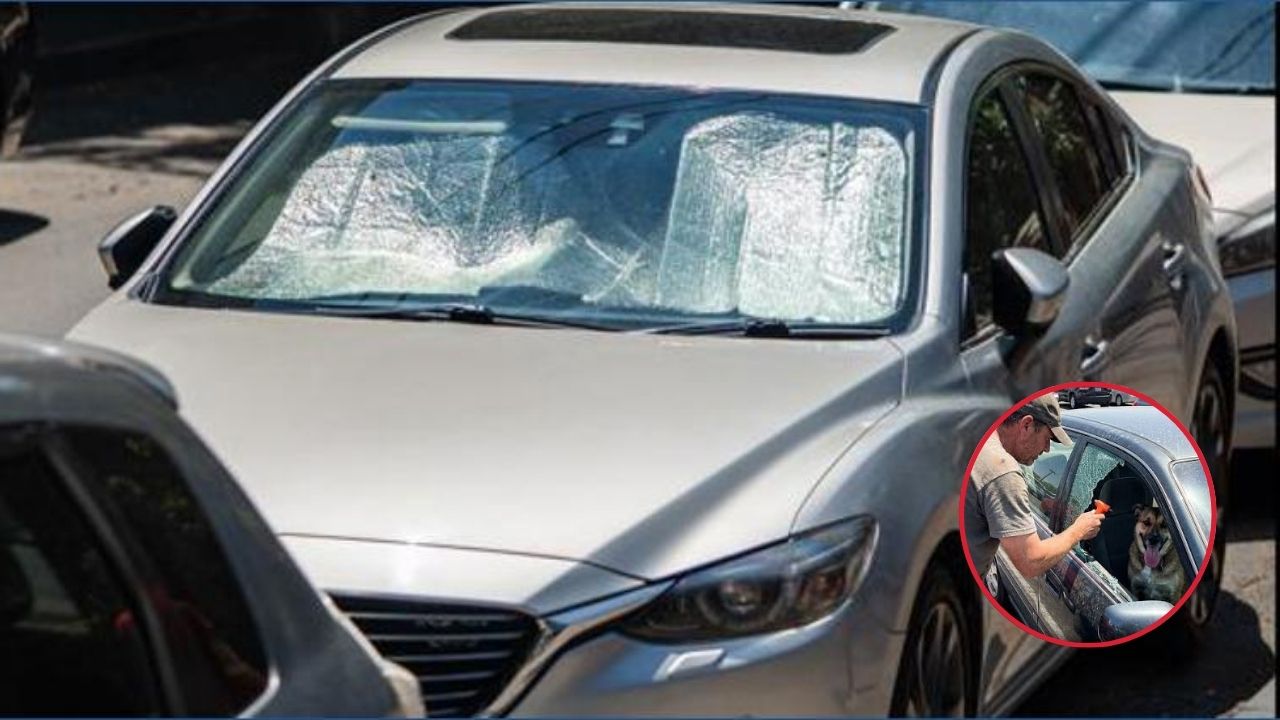
As temperatures rise during the summer months, parked vehicles can become dangerously hot within minutes, creating life-threatening conditions for children and pets left inside. In emergencies, many bystanders wonder whether they can legally break a vehicle window to rescue someone in danger without facing legal consequences.
In Arkansas, the answer depends on who is trapped inside the vehicle. While state law offers legal protections for people who act in good faith to save a child, the legal situation is far less clear when the person attempting a rescue is trying to save an animal.
Here’s what Arkansas residents should know before taking action in a hot-car emergency.
Arkansas Protects Good-Faith Child Rescues
Arkansas does not have a standalone “hot car rescue” law like some other states. Instead, legal protection comes through the state’s Good Samaritan statute.
Under Arkansas Code § 17-95-101, private citizens who voluntarily assist during an emergency are generally protected from civil liability when they act in good faith and without expecting payment.
If a child is trapped inside a vehicle and appears to be suffering from dangerous heat exposure, a bystander who breaks a window to remove the child may qualify for that legal protection, provided certain conditions are met.
The law is intended to encourage people to respond during genuine emergencies without fear of being sued simply for trying to save someone’s life.
Conditions Must Be Met Before Protection Applies
The Good Samaritan law is not a blanket shield for every action taken during an emergency.
For legal protection to apply, the rescuer must have a reasonable belief that the child’s life, health, or safety is in immediate danger. The emergency must be genuine rather than speculative.
The person must also act in good faith, meaning the rescue is motivated solely by protecting the child rather than causing damage or seeking personal gain.
In addition, the rescuer cannot behave with gross negligence or intentional misconduct. Any force used should be limited to what is reasonably necessary to reach and remove the child from danger.
When these standards are met, Arkansas law generally protects the rescuer from civil lawsuits related to the emergency response.
Why Hot Vehicles Become Dangerous So Quickly
Even on days that may not feel extremely hot, the temperature inside a parked vehicle can climb rapidly.
Sunlight passing through vehicle windows creates a greenhouse effect, causing the cabin temperature to increase much faster than the outside air. Cracking a window provides little protection against dangerous heat buildup.
Children are particularly vulnerable because their bodies heat up more quickly than adults, increasing the risk of heat exhaustion, heatstroke, organ damage, and death.
Medical experts consistently warn that no child should ever be left unattended inside a parked vehicle, even for a few minutes.
Legal Situation Is Different for Pets
The law becomes much less certain when the trapped occupant is an animal.
Unlike several states that have enacted specific laws allowing citizens to rescue animals from overheated vehicles, Arkansas does not expressly grant civil immunity for breaking into a vehicle to save a pet.
The state’s Good Samaritan protections are written to protect people rendering emergency assistance to persons, not animals.
Because of that distinction, someone who damages a vehicle while rescuing a dog or other pet could potentially face a civil claim for property damage, even if the rescue was well-intentioned.
That does not necessarily mean a lawsuit would succeed, but Arkansas law does not clearly provide the same legal protection that exists for rescuing children.
Animal Cruelty Laws Still Apply
Although Arkansas law does not specifically protect private citizens who break into vehicles to rescue pets, leaving an animal inside a dangerously hot vehicle can still violate animal welfare laws or local ordinances.
Some Arkansas cities have adopted rules addressing animals left in overheated vehicles.
For example, Fayetteville prohibits leaving an animal inside a parked vehicle when outdoor temperatures exceed 70 degrees Fahrenheit if doing so places the animal at risk.
These local regulations recognize the serious dangers that excessive heat poses to pets, even though they do not necessarily authorize private citizens to damage vehicles during a rescue.
Pet owners who ignore these rules may face penalties under local animal cruelty or public safety regulations.
What You Should Do Before Breaking a Window
Whenever possible, experts recommend taking several steps before resorting to forced entry.
First, determine whether the situation is truly an emergency. Look for signs such as unconsciousness, confusion, difficulty breathing, excessive panting in animals, vomiting, seizures, or visible distress.
Call 911 immediately if a child is trapped inside the vehicle. If an animal is involved, contact local law enforcement or animal control as quickly as possible.
If the owner can be located nearby, alert them immediately.
Only if the situation presents an immediate threat and there is no reasonable alternative should forced entry become a consideration. If breaking a window becomes necessary, use only the minimum amount of force required to safely remove the person from danger and remain at the scene until emergency responders arrive.
Understanding the Difference Can Prevent Legal Trouble
Arkansas law draws an important legal distinction between rescuing children and rescuing pets from overheated vehicles.
For children facing an immediate medical emergency, the state’s Good Samaritan law generally provides civil liability protection for citizens who act reasonably, in good faith, and without reckless behavior.
For pets, however, Arkansas has not enacted a comparable statewide immunity law. While animal cruelty laws discourage leaving pets in dangerous conditions, they do not clearly protect a bystander who damages someone else’s vehicle during a rescue.