
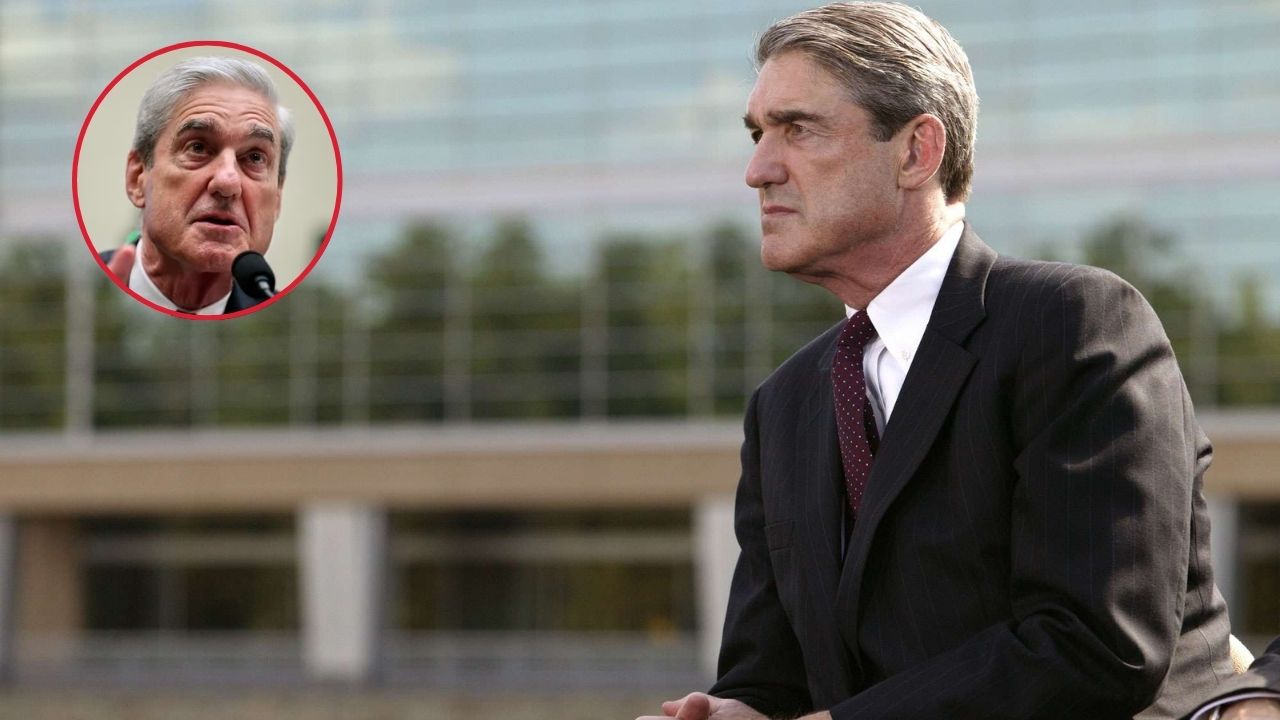
Former FBI Director and Special Counsel Robert Mueller passed away on March 20, 2026, at the age of 81, prompting tributes from across the legal, law enforcement and political communities. As news of his passing spread, many people searched online for information about the circumstances surrounding it and whether an official medical cause had been announced.
At this time, no official cause has been publicly disclosed by Mueller’s family. In their statement, however, they shared that he had been living with Parkinson’s disease after receiving the diagnosis during the summer of 2021. Beyond that information, the family has not released additional medical details and has requested privacy during this difficult period.
Mueller leaves behind a legacy that spans military service, federal law enforcement and one of the most closely watched investigations in modern American history.
No Official Cause Has Been Released
Following Robert Mueller’s passing, many questions arose regarding the circumstances surrounding it.
According to the statement issued by his family, Mueller passed away peacefully on a Friday evening in Charlottesville, Virginia.
While the statement confirmed his passing, it did not identify a specific medical cause.
The only health information shared publicly was that Mueller had been living with Parkinson’s disease for several years after being diagnosed in 2021.
Until further information is released by the family, no official explanation beyond that has been provided.
Living With Parkinson’s Disease
The family’s statement revealed that Mueller had quietly managed Parkinson’s disease for nearly five years.
Parkinson’s disease is a progressive neurological condition that primarily affects movement, balance and coordination. Symptoms often develop gradually and vary from person to person.
Although the family acknowledged the diagnosis, they did not indicate whether the condition directly contributed to Mueller’s passing.
Their announcement instead focused on remembering his life and requesting privacy as relatives and close friends mourned together.
Leading the FBI During a Historic Era
Robert Mueller is widely remembered for his leadership of the Federal Bureau of Investigation during one of the most challenging periods in modern American history.
He was appointed FBI Director by President George W. Bush in 2001.
Only days after taking office, the September 11 terrorist attacks dramatically reshaped the agency’s priorities.
Mueller guided the FBI through a major transformation as the organization expanded its focus on counterterrorism, intelligence gathering and national security while continuing its traditional criminal investigations.
His tenure lasted until 2013, making him the longest-serving FBI Director since J. Edgar Hoover.
Military and Public Service
Before leading the FBI, Mueller built an extensive career in public service.
He served as a United States Marine during the Vietnam War, earning several military honors for his service.
After returning home, he pursued a legal career that included positions as a federal prosecutor and senior Justice Department official.
Throughout those roles, Mueller developed a reputation for professionalism, discipline and a careful approach to complex investigations.
Those qualities later became central to his leadership style at the FBI.
Return as Special Counsel
Even after leaving the FBI, Mueller returned to public service when the U.S. Department of Justice appointed him as Special Counsel in 2017.
His assignment focused on investigating Russian interference in the 2016 U.S. presidential election and examining related matters.
The investigation attracted extraordinary public attention over nearly two years.
Mueller’s team issued numerous criminal indictments and produced a detailed final report summarizing its findings.
Although reactions to the investigation differed sharply across the political spectrum, Mueller maintained his characteristic low-profile approach throughout the process.
Reputation for Integrity
Across decades of government service, Mueller earned respect from colleagues representing a wide range of political viewpoints.
Supporters frequently described him as methodical, disciplined and committed to following evidence rather than public opinion.
His leadership style emphasized institutional independence and adherence to legal procedures.
Even during periods of intense political debate, Mueller generally avoided public commentary beyond official statements and required testimony.
That restrained approach became one of the defining characteristics of his career.
Tributes From Across the Country
Following the announcement of Mueller’s passing, current and former government officials, legal professionals and law enforcement leaders shared messages recognizing his years of public service.
Many reflected on his leadership after the September 11 attacks, while others highlighted his commitment to strengthening federal investigative institutions.
Former colleagues also remembered his dedication to mentoring younger attorneys and investigators throughout his career.
Although opinions often differed regarding the investigations he supervised, tributes consistently acknowledged his decades of service to the United States.
Family Requests Privacy
Mueller’s family asked that their privacy be respected as they mourn together.
They expressed gratitude for the support and condolences received following the announcement while choosing not to release additional personal or medical information.
In situations involving public figures, families often limit disclosures during the initial period after a passing, allowing them time to grieve privately before deciding whether to share further details.
As of now, no additional official statement regarding the medical circumstances has been released.
Lasting Impact on American Institutions
Robert Mueller’s influence extended far beyond any single investigation.
His leadership helped reshape the FBI during a period of profound national change, and his later work as Special Counsel became one of the most closely examined federal investigations of the 21st century.
Whether serving in the military, leading federal prosecutors or directing the nation’s premier investigative agency, Mueller consistently emphasized accountability, professionalism and public service.
Those contributions continue to shape discussions about federal law enforcement and the role of independent investigations in the United States.
Remembering Robert Mueller
Robert Mueller’s career reflected more than five decades of public service marked by military duty, legal leadership and federal law enforcement. While many continue searching for information about the circumstances surrounding his passing, the family has not publicly identified a specific medical cause. They have only confirmed that he had been living with Parkinson’s disease since 2021 and asked for privacy during this time.
As tributes continue from across the United States, Mueller is being remembered for his steady leadership, commitment to public institutions and enduring influence on American law enforcement. His work during pivotal moments in U.S. history ensured that his legacy will remain an important part of discussions about justice, national security and public service for years to come.