
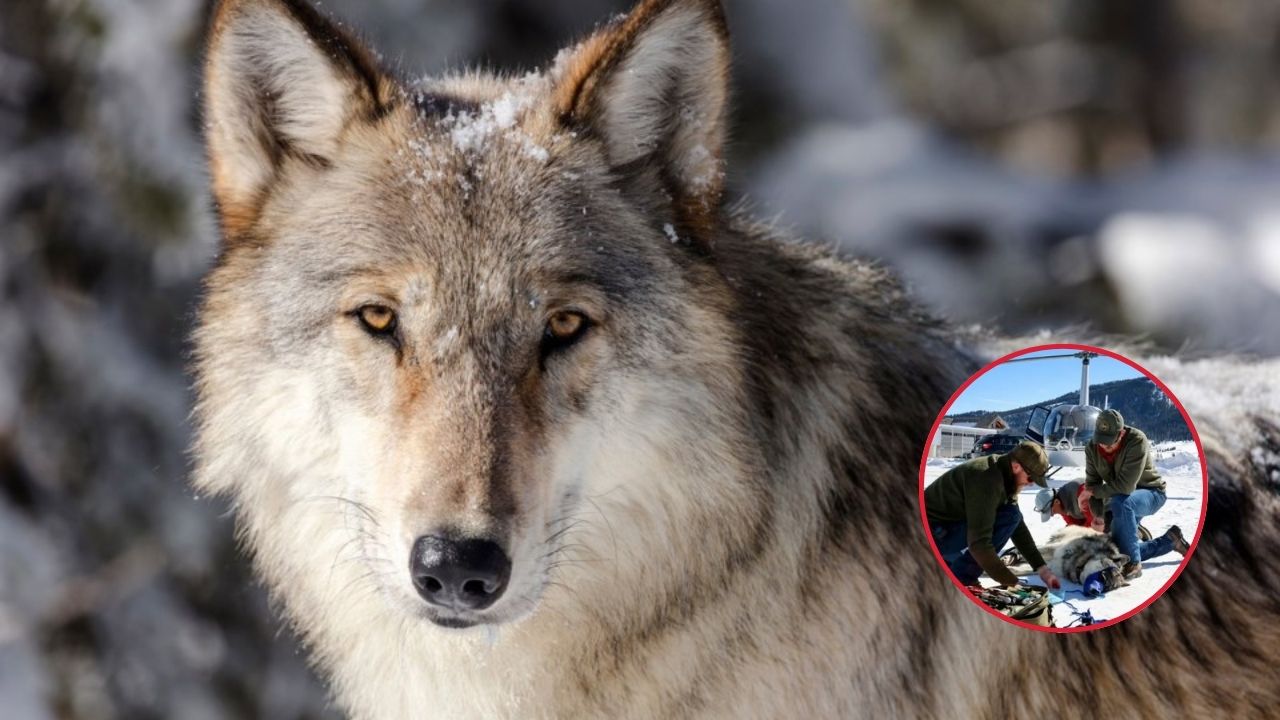
Wildlife officials in Wyoming have approved reductions to wolf hunting limits after a recent distemper outbreak affected several wolf populations across parts of the state. The decision reflects growing concerns about the impact of disease on wolf numbers and aims to support population stability while wildlife managers continue monitoring recovery efforts.
The move comes as biologists assess the effects of canine distemper, a contagious viral disease that can significantly impact wild carnivore populations. By lowering hunting quotas, officials hope to balance conservation goals with wildlife management objectives and ensure that affected wolf packs have an opportunity to recover.
The policy adjustment has drawn attention from hunters, conservation groups, ranchers, and wildlife experts, all of whom have a stake in Wyoming’s long-running wolf management program.
Disease Outbreak Triggers Action
The reduction in hunting limits follows evidence that canine distemper has spread through portions of Wyoming’s wolf population.
Distemper is a viral disease that primarily affects carnivores and can be particularly dangerous for young animals. The illness may cause respiratory problems, neurological symptoms, and reduced survival rates among infected wildlife.
Wildlife officials reported concerns after monitoring data suggested that some packs experienced population declines linked to the outbreak. Although adult wolves can sometimes survive infection, young pups are often more vulnerable to severe complications.
As a result, managers determined that adjusting hunting limits would provide additional protection while the full impact of the disease is evaluated.
The decision reflects a precautionary approach intended to support long-term population health.
Understanding Canine Distemper
Canine distemper is not a new challenge for wildlife populations. The disease periodically affects wolves, coyotes, foxes, and other carnivores throughout North America.
The virus spreads through close contact and can move rapidly through social animal groups such as wolf packs. Because wolves live and hunt together, outbreaks can sometimes affect multiple members of a pack within a relatively short period.
Wildlife biologists have observed distemper outbreaks in various wolf populations over the years, including regions surrounding the Greater Yellowstone Ecosystem.
While many populations eventually recover, temporary declines are not uncommon following significant outbreaks.
Experts note that disease is one of several natural factors influencing wildlife population dynamics alongside weather, prey availability, habitat conditions, and human-related pressures.
Hunting Limits Adjusted to Support Recovery
Wildlife managers often use hunting quotas as a tool to regulate harvest levels and maintain population objectives.
When unexpected events such as disease outbreaks occur, agencies may adjust regulations to account for changing conditions. In this case, reducing hunting limits is intended to lessen additional pressure on affected wolf populations.
Officials emphasized that the decision is based on scientific monitoring and population assessments rather than a broader change in wolf management philosophy.
The revised limits are designed to provide flexibility while allowing authorities to gather additional information about pack recovery and reproduction rates.
Managers will continue reviewing population data before making future decisions regarding hunting opportunities.
Wolves Remain a Key Wildlife Management Issue
Wolf management has long been one of the most closely watched wildlife topics in Wyoming.
Since wolves were reintroduced to the Northern Rocky Mountains, state officials have worked to balance conservation requirements with concerns from ranchers, hunters, and local communities.
Supporters of wolf conservation argue that healthy predator populations contribute to ecosystem balance and biodiversity. Others emphasize the challenges wolves can present for livestock producers and certain game populations.
As a result, management decisions involving wolves often attract significant public interest and debate.
The latest quota reduction represents another example of how wildlife agencies adjust policies in response to changing biological conditions.
Scientists Continue Monitoring Pack Health
Wildlife biologists are actively monitoring affected wolf packs to better understand the scope of the distemper outbreak.
Research teams track wolves using a combination of field observations, population surveys, radio collars, and biological sampling. These tools help managers estimate pack sizes, survival rates, and reproductive success.
Monitoring efforts become especially important following disease outbreaks because recovery patterns can vary significantly between regions and packs.
Some groups may rebound quickly through successful breeding seasons, while others could require more time to return to previous population levels.
Officials say ongoing scientific data will guide future management decisions and help determine whether additional regulatory adjustments are necessary.
Hunters React to New Restrictions
The decision to lower hunting limits has generated mixed reactions among hunting communities.
Some hunters expressed disappointment over reduced opportunities, particularly in areas where wolf hunting has become an established part of wildlife management.
Others acknowledged that disease-related population declines justify temporary adjustments. Many sportsmen support management approaches based on scientific evidence and population sustainability.
State wildlife agencies frequently emphasize that hunting regulations must remain adaptable to changing environmental conditions.
Although reduced quotas may affect upcoming seasons, officials stress that the goal is to maintain healthy wolf populations capable of supporting future hunting opportunities.
The response highlights the complex balance between conservation and recreational wildlife management.
Conservation Groups Welcome Precautionary Approach
Several wildlife conservation advocates have praised the decision to reduce hunting pressure during the outbreak.
Conservation organizations often argue that disease-related population declines should be considered when setting harvest limits. They contend that allowing affected packs additional time to recover can improve long-term stability and ecosystem health.
Supporters of the changes view the decision as evidence that wildlife managers are responding to scientific findings rather than relying solely on historical population estimates.
At the same time, many groups acknowledge that effective management requires ongoing monitoring and flexibility as conditions evolve.
The outbreak has renewed discussions about how disease influences predator populations and wildlife policy decisions.
Looking Ahead for Wyoming’s Wolves
While concerns remain regarding the impact of distemper, wildlife officials are optimistic that affected wolf populations can recover over time.
Wolves are highly adaptable animals with strong reproductive capabilities, and many populations have successfully rebounded from previous disease outbreaks. Future pup survival rates and pack growth will play important roles in determining recovery speed.
State biologists will continue collecting data and evaluating population trends throughout the coming months. Their findings will help shape future hunting regulations and management strategies.
For now, the reduction in hunting limits represents a precautionary effort to support wolf populations during a period of biological stress.