
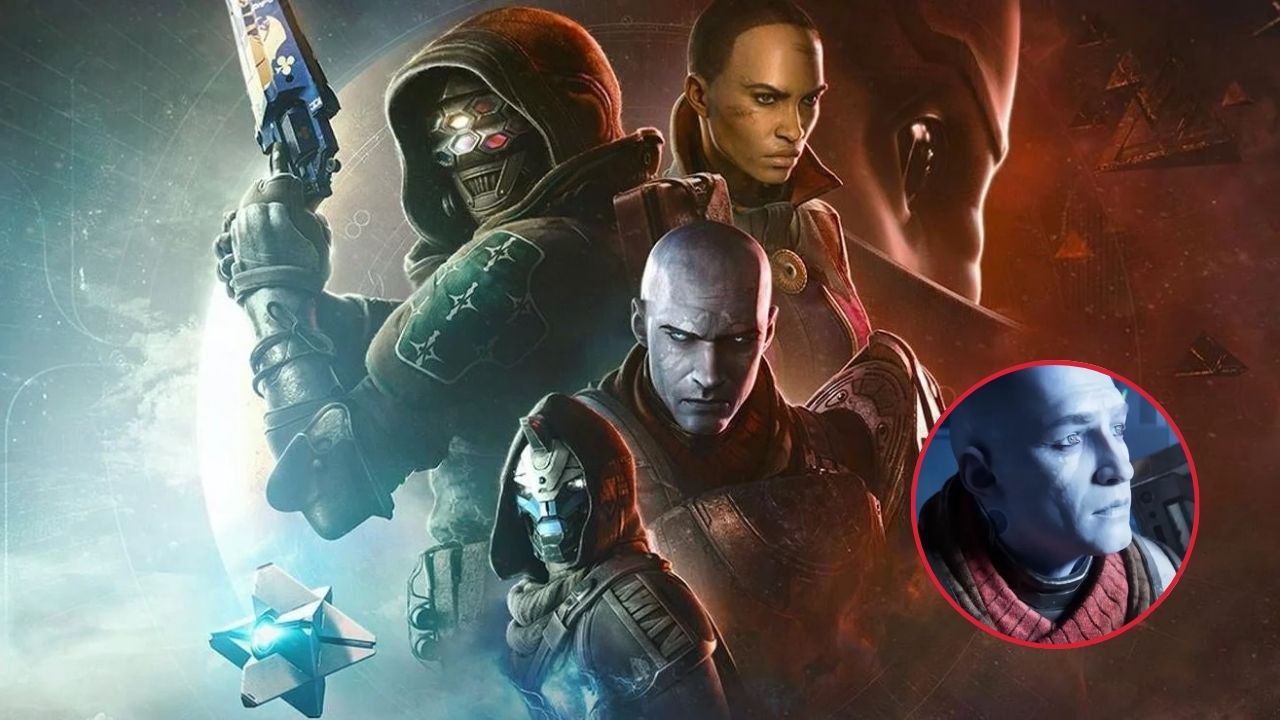
Bungie has reportedly decided to cancel future major expansions for Destiny 2 and bring active development of the long-running online shooter to a close, marking a major turning point for one of the gaming industry’s most recognizable live-service franchises.
The move signals the end of an era for a title that has remained a significant part of the gaming landscape for nearly a decade. Since its launch, Destiny 2 has evolved through multiple expansions, seasonal content updates, and large-scale story arcs that kept millions of players engaged across consoles and PC platforms.
While servers are expected to remain operational for the foreseeable future, the decision to halt active development would represent a dramatic shift in Bungie’s strategy as the studio focuses on future projects and changing market conditions.
End of a Long Journey
For years, Destiny 2 served as Bungie’s flagship title, combining first-person shooter gameplay with role-playing progression systems and cooperative online experiences.
The game expanded significantly after its original release, introducing new locations, raids, story campaigns, weapons, and seasonal activities. Bungie continually refined the experience, responding to player feedback while expanding the universe through ongoing narrative developments.
Many players viewed the game as more than a traditional shooter. It became an evolving platform that connected a large global community through shared activities and long-term progression systems.
The reported decision to stop creating major expansions therefore marks the conclusion of a development journey that lasted far longer than many live-service titles manage to sustain.
Expansion Plans Scrapped
According to reports, Bungie has canceled planned expansions that would have continued the game’s post-launch roadmap.
Major expansions traditionally served as the backbone of Destiny 2’s content strategy. These releases typically introduced significant story developments, new gameplay systems, and major changes to the game’s world.
Without future expansions, the franchise’s content pipeline would effectively come to an end. Players who have grown accustomed to annual releases and seasonal updates may now face a future where the game receives only limited maintenance support rather than substantial new content.
The cancellation reflects broader challenges facing live-service games, where maintaining long-term engagement requires continuous investment and development resources.
Industry analysts note that sustaining large-scale online games becomes increasingly difficult as player expectations grow and development costs continue to rise.
Community Reacts to the News
The reported decision has generated strong reactions throughout the gaming community.
Many longtime players expressed disappointment at the prospect of seeing active development conclude. For some fans, Destiny 2 has been a central gaming experience for years, creating friendships, communities, and memorable moments through cooperative activities.
Social media platforms and gaming forums quickly filled with discussions about the game’s legacy and the impact of the decision on the player base.
Others viewed the move as understandable given the challenges associated with supporting a live-service title for such an extended period. Maintaining a constant stream of content requires significant resources, particularly as technology and player expectations continue to evolve.
Regardless of perspective, many players acknowledged the important role the game played in shaping modern online gaming.
Bungie’s Strategic Shift
The reported end of active development also highlights a broader strategic transition for Bungie.
Like many major game studios, Bungie has been exploring opportunities beyond a single franchise. Industry observers have long speculated about the company’s future direction, particularly as competition within the live-service market has intensified.
The studio has invested in new projects and technologies while navigating a rapidly changing gaming industry. Redirecting development resources away from Destiny 2 could allow Bungie to focus on future titles and long-term growth initiatives.
Game developers frequently face difficult decisions about how best to allocate talent and funding. While ending support for a successful franchise can be controversial, companies often view such moves as necessary to pursue new opportunities.
The reported decision may therefore represent a strategic effort to prepare for the next chapter of Bungie’s development plans.
Challenges Facing Live-Service Games
The situation also reflects broader trends affecting the live-service gaming sector.
Over the past decade, many publishers embraced games-as-a-service models that rely on regular content updates and ongoing player engagement. While some titles achieved enormous success, others struggled to maintain momentum over extended periods.
Developing continuous content requires substantial investment in staffing, infrastructure, testing, and community support. As competition increases, retaining player attention becomes increasingly difficult.
Many companies are reevaluating their long-term strategies as market conditions evolve. Some studios have reduced support for older games while focusing on new projects with stronger growth potential.
The reported end of active development for Destiny 2 illustrates the challenges associated with sustaining a live-service ecosystem for many years.
Legacy of the Franchise
Despite the reported conclusion of major development efforts, Destiny 2 leaves behind a significant legacy.
The game helped define many aspects of the modern live-service model, blending story-driven content with multiplayer experiences in ways that influenced numerous titles that followed.
Its raids became some of the most celebrated cooperative activities in gaming, while seasonal content systems established frameworks later adopted throughout the industry.
The franchise also demonstrated the importance of community engagement. Bungie maintained close communication with players through updates, developer discussions, and regular feedback initiatives.
These efforts contributed to a dedicated player base that remained active through multiple expansions and evolving storylines.
For many fans, the game’s impact extends beyond gameplay itself. It created lasting communities and experiences that continued for years.
Looking Ahead
While active development may be ending, the future of the Destiny universe remains a subject of considerable interest.
Whether Bungie eventually revisits the franchise through new projects, spin-offs, or future installments remains unclear. The intellectual property remains one of the studio’s most valuable assets and continues to hold significant recognition within the gaming industry.
For now, attention is focused on what the reported decision means for existing players and the broader future of Bungie.
If confirmed, the cancellation of future expansions and the end of active development would mark the closing chapter of one of gaming’s most influential live-service experiences. After years of updates, expansions, and evolving adventures, Destiny 2 would stand as a defining example of how online games can build communities, shape industry trends, and leave a lasting impact on players around the world.