
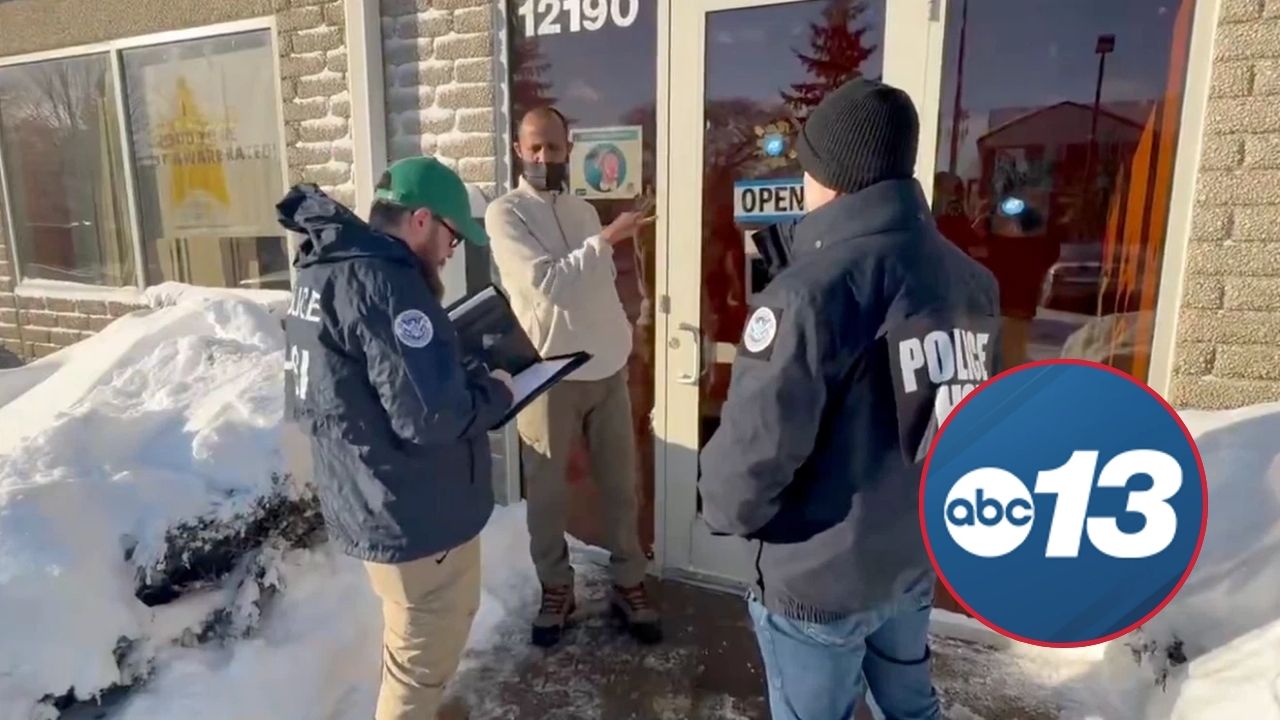
Federal prosecutors have charged 15 individuals in connection with a large-scale Medicaid fraud scheme in Minnesota, following a series of coordinated law enforcement raids that uncovered what authorities describe as a complex operation involving fraudulent billing practices and the misuse of taxpayer-funded healthcare programs.
The investigation, led by the Federal Bureau of Investigation (FBI) and supported by multiple federal and state agencies, marks another significant effort to crack down on healthcare fraud that officials say has cost public assistance programs millions of dollars.
Major Fraud Investigation Unveiled
According to federal authorities, the defendants are accused of participating in a scheme that allegedly exploited Minnesota’s Medicaid system by submitting false claims for services that were either never provided or did not qualify for reimbursement.
Investigators spent months reviewing financial records, healthcare documentation, and business transactions before carrying out search warrants at multiple locations. The raids resulted in the seizure of evidence that prosecutors believe demonstrates widespread fraud involving healthcare providers and associated businesses.
Officials stated that the defendants face a range of charges, including wire fraud, healthcare fraud, conspiracy, and money laundering offenses.
Federal prosecutors emphasized that the allegations remain accusations and that all defendants are presumed innocent unless proven guilty in court.
Authorities Detail Alleged Scheme
Court documents outline an operation that allegedly relied on falsified records and inflated billing practices to obtain Medicaid payments.
Prosecutors claim that some participants created documentation to support reimbursement requests for services that either did not occur or were exaggerated beyond what was actually provided. Authorities also allege that funds received through the scheme were distributed among individuals involved in the operation.
Investigators believe the fraudulent activities generated substantial payments from government healthcare programs intended to support vulnerable populations, including low-income families, seniors, and individuals with disabilities.
Federal officials said healthcare fraud diverts resources away from patients who legitimately rely on public assistance programs.
Coordinated Law Enforcement Action
The charges followed coordinated enforcement actions involving FBI agents, investigators from the Department of Health and Human Services Office of Inspector General, and state law enforcement partners.
Search warrants were executed at several properties connected to the investigation. Authorities reported collecting business records, electronic devices, financial documents, and other evidence that could be used in future court proceedings.
Law enforcement officials described the operation as one of the most significant Medicaid fraud enforcement actions undertaken in the region this year.
The FBI noted that complex financial crimes often require extensive cooperation between agencies because investigators must trace financial transactions, analyze healthcare billing records, and identify connections among multiple organizations and individuals.
Growing Focus on Healthcare Fraud
Federal authorities have increased enforcement efforts targeting healthcare fraud across the United States in recent years.
Officials say fraudulent activity within government-funded healthcare programs can result in significant financial losses and undermine confidence in public assistance systems. Investigations often focus on providers suspected of billing for unnecessary services, submitting false claims, or using shell companies to conceal illegal proceeds.
Healthcare fraud cases have become a priority for federal prosecutors because Medicaid and Medicare collectively distribute billions of dollars annually to healthcare providers nationwide.
Authorities argue that safeguarding these programs is essential to ensuring healthcare resources remain available for eligible beneficiaries.
Potential Legal Consequences
The defendants now face federal court proceedings that could result in substantial penalties if convictions are secured.
Charges such as healthcare fraud and wire fraud can carry lengthy prison sentences, significant fines, and restitution orders requiring defendants to repay losses associated with fraudulent conduct.
Money laundering allegations may bring additional penalties because they involve efforts to conceal or transfer proceeds generated through unlawful activities.
Legal experts note that federal fraud investigations often involve extensive documentary evidence, making these cases highly complex and potentially lengthy.
Defense attorneys representing the accused are expected to challenge the government’s allegations and evidence as the case moves through the judicial process.
Impact on Minnesota’s Medicaid Program
State officials say protecting Medicaid funds remains critical because the program provides healthcare coverage to hundreds of thousands of Minnesota residents.
When fraudulent claims are submitted, taxpayer-funded resources can be diverted away from legitimate medical services and patient care. Authorities argue that preventing abuse helps preserve funding for individuals who genuinely depend on the program.
The investigation has also renewed discussions about oversight measures, compliance requirements, and fraud detection systems designed to identify suspicious billing patterns before substantial losses occur.
Healthcare administrators and policymakers continue to explore ways to strengthen monitoring procedures while maintaining access to essential services for eligible beneficiaries.
Investigation Continues
Federal authorities indicated that the investigation remains active and that additional developments are possible as agents continue reviewing evidence collected during the raids.
Prosecutors have not ruled out the possibility of further charges or additional defendants being identified as investigators analyze financial records and communications linked to the alleged scheme.
The case represents the latest example of federal efforts to combat healthcare fraud and protect public assistance programs from abuse. As court proceedings move forward, prosecutors will seek to prove that the defendants knowingly participated in the alleged operation, while defense attorneys will have the opportunity to challenge the government’s claims.
For now, the charges mark a major milestone in a far-reaching investigation that has drawn attention to the ongoing challenge of safeguarding taxpayer-funded healthcare resources and ensuring that Medicaid benefits are used for their intended purpose.