
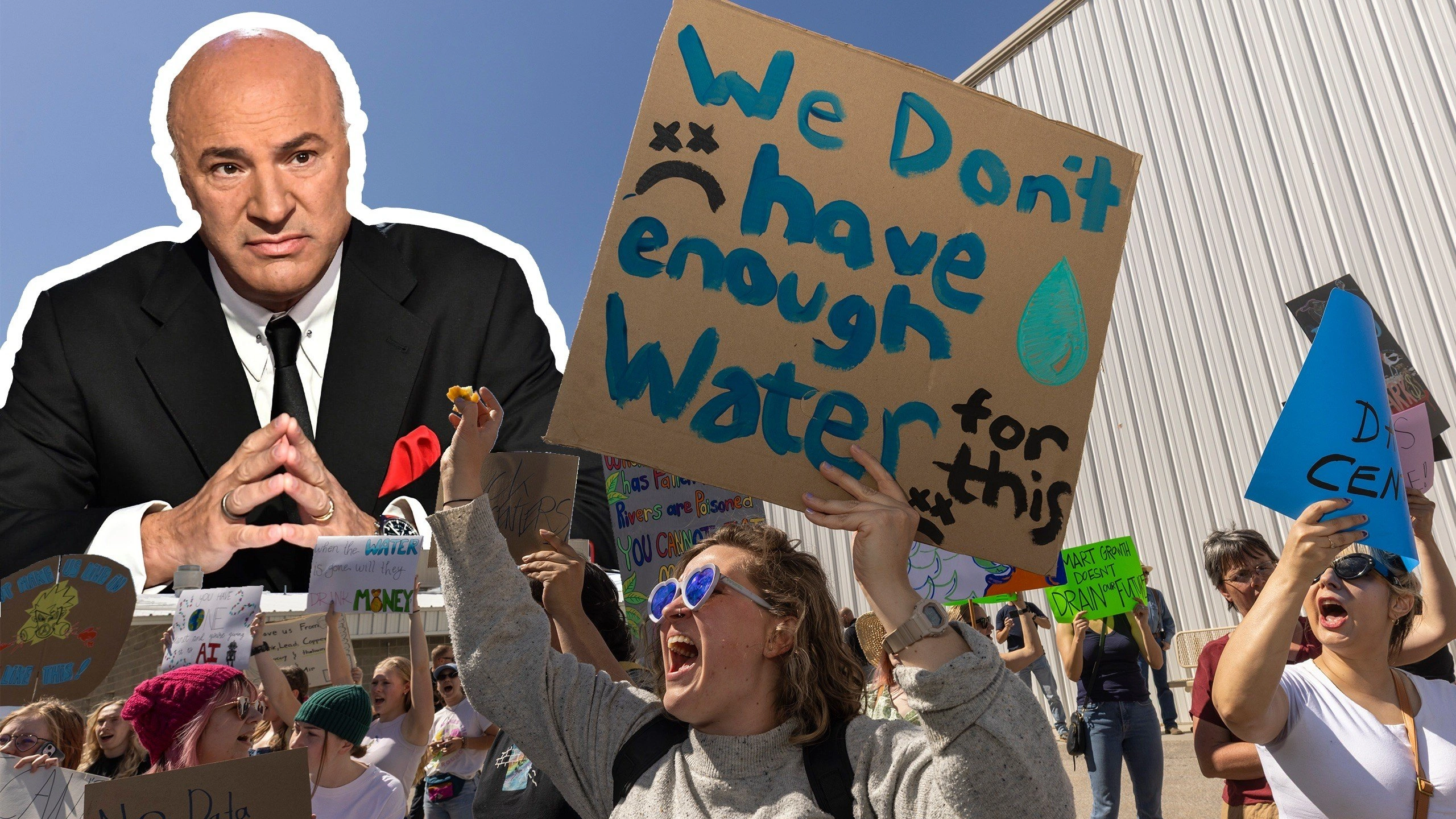
Residents in Utah are voicing strong opposition to a proposed artificial intelligence data center campus backed by investor and television personality Kevin O’Leary, raising concerns about water consumption, energy demands, environmental impacts, and the long-term effects on local communities.
The project, which aims to support the rapidly expanding AI industry, has become the center of heated public discussions as community members, local officials, and developers debate whether the economic benefits outweigh potential environmental and infrastructure challenges.
As demand for AI computing power continues to grow worldwide, the controversy in Utah reflects a broader national conversation about how and where massive data centers should be built.
Community Concerns Grow
Residents have increasingly expressed concerns about the scale of the proposed AI data center campus and its potential impact on the surrounding area.
Many opponents argue that large-scale data centers require significant resources, particularly electricity and water, which could place additional pressure on local infrastructure. Utah’s ongoing challenges related to drought and water conservation have become a major part of the debate.
Community members attending public meetings and protests have questioned whether sufficient safeguards are in place to protect local resources. Some residents have also raised concerns about increased traffic, noise, and changes to the character of nearby neighborhoods.
For many opponents, the issue extends beyond a single development project and touches on broader questions about sustainable growth in rapidly expanding regions.
Why AI Data Centers Need Massive Resources
Artificial intelligence systems require enormous computing power to train and operate advanced models.
To support these workloads, companies build large data centers filled with servers, networking equipment, and cooling systems. These facilities operate around the clock and often consume substantial amounts of electricity.
Cooling infrastructure is another major consideration. Many modern data centers use significant quantities of water or advanced cooling technologies to prevent servers from overheating.
As AI adoption accelerates across industries, developers are searching for locations that can provide reliable power supplies, available land, and favorable regulatory environments. Utah has emerged as an attractive destination due to its growing technology sector and available development opportunities.
However, critics argue that rapid expansion must be balanced against environmental realities and local community needs.
Supporters Highlight Economic Benefits
Supporters of the proposed campus say the project could bring substantial economic benefits to the region.
Developers and business advocates point to potential construction jobs, long-term employment opportunities, increased tax revenue, and investment in local infrastructure.
They argue that AI represents one of the fastest-growing sectors of the global economy and that communities that attract technology investments could benefit from future growth and innovation.
Proponents also note that modern data centers often incorporate energy-efficient technologies and sustainability initiatives designed to reduce environmental impacts.
According to supporters, attracting major technology projects could strengthen Utah’s position as a growing hub for innovation and advanced computing.
Kevin O’Leary’s Role Draws Attention
The involvement of Kevin O’Leary has brought national attention to the proposed development.
Known for his appearances on the television program Shark Tank and his investments across multiple industries, O’Leary has become a prominent advocate for technology and infrastructure projects.
His support for the AI data center campus has amplified public interest and media coverage surrounding the proposal.
Supporters view his involvement as evidence of the project’s economic potential and ability to attract investment. Critics, however, argue that celebrity backing does not eliminate concerns about environmental sustainability or local impacts.
As a result, O’Leary’s participation has become a focal point in discussions surrounding the development.
Environmental Questions Remain
Environmental concerns continue to dominate public conversations about the project.
Water usage remains one of the most frequently cited issues. Utah communities have become increasingly focused on conservation efforts due to recurring drought conditions and long-term water management challenges.
Residents are seeking detailed information about how much water the campus would consume and what measures would be implemented to minimize resource usage.
Energy demand has also emerged as a significant topic. Large AI facilities require substantial electrical capacity, leading some residents to question whether existing infrastructure can accommodate additional demand without affecting local consumers.
Environmental groups have called for comprehensive reviews and transparent reporting regarding projected impacts before construction moves forward.
Public Meetings and Local Debate
Public hearings and community meetings have attracted significant interest as residents seek answers from developers and local officials.
Many attendees have urged decision-makers to carefully evaluate the long-term consequences of approving such a large-scale project. Others have called for additional studies examining environmental impacts, resource consumption, and infrastructure requirements.
Supporters of the campus have used these meetings to emphasize economic opportunities and technological advancement.
The discussions have highlighted the challenge facing many communities nationwide as they attempt to balance economic development with environmental stewardship and quality-of-life considerations.
A Broader National Trend
The debate unfolding in Utah is not unique.
Across the United States, communities are grappling with proposals for new data centers driven by growing demand for cloud computing and artificial intelligence services.
Technology companies are investing billions of dollars in infrastructure to support next-generation AI applications. At the same time, residents and policymakers are increasingly scrutinizing the environmental footprint of these facilities.
Questions about water use, electricity consumption, land development, and community impacts are becoming common features of local planning discussions.
The Utah proposal represents one example of how these competing priorities are shaping decisions about the future of AI infrastructure.
What Happens Next?
The proposed AI data center campus remains under review as discussions continue among developers, local officials, and community members.
Additional meetings, environmental assessments, and regulatory reviews could influence whether the project moves forward as currently planned or undergoes significant modifications.
For now, residents remain deeply engaged in the process, with supporters and opponents continuing to make their voices heard.
As artificial intelligence drives unprecedented demand for computing infrastructure, the outcome of Utah’s debate may offer valuable insights into how communities across the country address similar projects in the years ahead.