
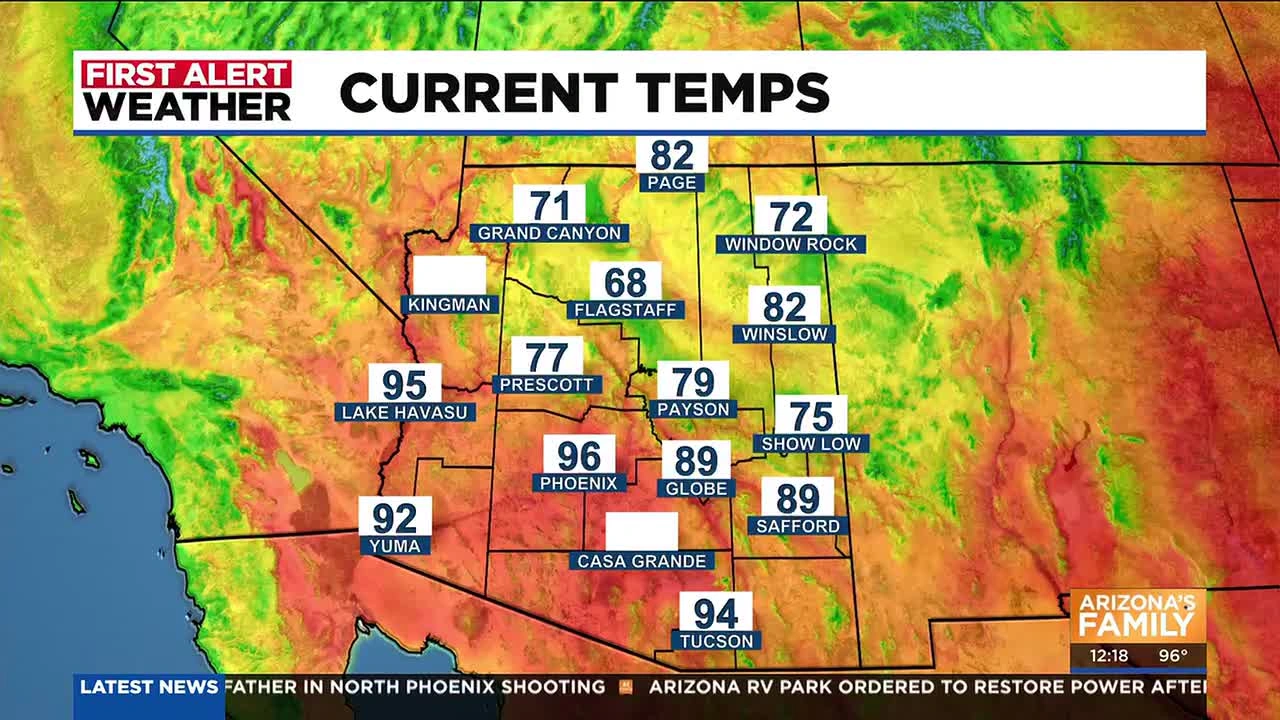
Arizona residents experienced a mix of weather conditions over the holiday weekend as shifting wind patterns and varying temperatures created different conditions across the state’s deserts, valleys, and mountain regions.
Meteorologists reported that while some areas saw warmer-than-average temperatures, others benefited from cooler conditions and increased breezes. The changing weather pattern affected outdoor activities, travel plans, and fire weather concerns as thousands of residents took advantage of the long weekend.
Weather experts noted that Arizona’s diverse geography often produces significant regional differences, particularly during late spring when seasonal transitions influence temperatures and wind conditions across the state.
Weather Conditions Differ by Region
Arizona’s weather varied considerably depending on location during the holiday period.
Lower desert communities experienced warm temperatures typical of late spring, while higher elevations enjoyed cooler conditions and more comfortable outdoor weather. Mountain areas saw noticeable differences compared to urban desert regions, providing relief for visitors seeking milder temperatures.
Forecasters explained that atmospheric conditions contributed to uneven weather patterns throughout the state. While some locations experienced relatively calm conditions, others saw stronger afternoon winds and fluctuating temperatures.
These regional contrasts are common in Arizona, where elevation changes and terrain features can significantly influence local weather conditions.
Residents traveling between different parts of the state encountered varying forecasts throughout the holiday weekend.
Wind Becomes a Key Factor
Wind conditions emerged as one of the most important weather elements affecting Arizona during the holiday.
Several areas experienced gusty conditions, particularly during afternoon and evening hours when temperature differences and atmospheric changes contributed to stronger airflow.
The winds created challenges for outdoor recreation, boating activities, and travel in some locations. Drivers of high-profile vehicles were advised to exercise caution in areas where stronger gusts were expected.
Wind can also increase wildfire concerns across Arizona, especially during dry periods when vegetation becomes more susceptible to ignition.
Weather officials closely monitored conditions and encouraged residents to remain aware of local forecasts as wind speeds changed throughout the weekend.
Desert Areas Feel the Heat
Arizona’s desert communities continued to experience warm temperatures consistent with the approach of summer.
Cities in lower elevations recorded daytime highs that encouraged many residents to seek shade, hydration, and air-conditioned environments during peak afternoon hours.
Although temperatures varied from one location to another, much of the desert region remained firmly within a warm weather pattern.
Public health officials routinely remind residents to take precautions during periods of elevated heat, including drinking plenty of water and limiting strenuous outdoor activities during the hottest parts of the day.
The combination of sunshine and warm temperatures also contributed to increased attendance at lakes, pools, and recreational destinations throughout the holiday weekend.
Cooler Conditions in Higher Elevations
In contrast to the desert heat, Arizona’s mountain communities enjoyed noticeably cooler weather.
Higher elevations provided a popular escape for residents looking to avoid warmer temperatures found in lower regions. Visitors traveling to forested areas, mountain towns, and scenic recreation sites found conditions more favorable for hiking, camping, and outdoor activities.
The temperature difference between desert valleys and mountainous areas can often be substantial, particularly during late spring and summer months.
Tourism officials noted that cooler mountain weather frequently attracts weekend travelers seeking relief from rising temperatures elsewhere in the state.
Many outdoor enthusiasts took advantage of the more moderate conditions during the holiday period.
Travel and Recreation Affected
The holiday weekend brought increased travel activity throughout Arizona, making weather conditions an important consideration for residents and visitors.
Popular destinations including lakes, parks, campgrounds, and recreational areas experienced higher-than-normal attendance.
Weather experts encouraged travelers to check local forecasts before departing, particularly when visiting regions where conditions differed significantly from their starting location.
Windy conditions occasionally affected boating and other outdoor activities, while warm temperatures prompted reminders about hydration and sun protection.
Officials emphasized that preparation remains important when traveling across Arizona’s diverse climate zones, where weather conditions can change considerably over relatively short distances.
Fire Weather Concerns Remain
Arizona’s dry climate means weather conditions can play a major role in wildfire risk.
Forecasters noted that periods of increased wind can elevate fire weather concerns, particularly when combined with low humidity and dry vegetation.
Although conditions varied across the state, fire management agencies continued monitoring weather developments throughout the holiday weekend.
Residents were reminded to follow fire safety guidelines, properly extinguish campfires, and avoid activities that could create sparks in vulnerable areas.
Wildfire prevention remains a priority during late spring and early summer as temperatures rise and landscapes become increasingly dry.
Officials stressed that public cooperation is essential in reducing fire risks during periods of elevated concern.
Forecast Points to Seasonal Transition
Meteorologists indicated that the weather pattern reflects Arizona’s ongoing transition from spring into summer.
Temperature fluctuations and changing wind patterns are common during this time of year as atmospheric systems evolve and seasonal weather trends become more established.
While occasional variations will continue, forecasters expect warmer conditions to become increasingly common in many parts of the state as summer approaches.
Residents can anticipate additional periods of elevated temperatures in coming weeks, particularly across lower desert regions.
Weather experts recommend staying informed through local forecasts and preparing for changing conditions as seasonal transitions continue.
Looking Ahead
As the holiday weekend concludes, Arizona residents are likely to see continued weather variability depending on their location.
Desert communities may experience warmer temperatures, while higher elevations are expected to remain comparatively cooler. Wind conditions will continue to influence outdoor activities, travel, and fire weather concerns in certain areas.
The recent weather pattern serves as a reminder of Arizona’s remarkable geographic diversity and the significant impact it has on local conditions.
For residents and visitors alike, understanding regional weather differences remains important when planning outdoor activities, travel, and recreation.
With summer drawing closer, meteorologists encourage Arizonans to remain prepared for rising temperatures while continuing to monitor forecasts for changing wind patterns and other weather developments across the state.