
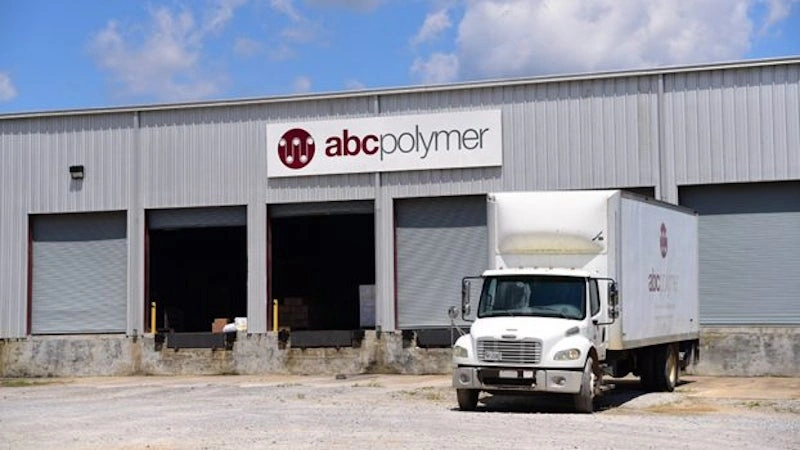
The ABC Polymer accident remains one of the most alarming examples of workplace safety failures in recent U.S. manufacturing history. What began as a routine production shift at a plastics manufacturing facility in Alabama ended in tragedy when a worker lost her life in an incident that investigators later determined could have been prevented.
The fatal accident not only exposed serious safety violations but also resulted in federal criminal charges, significant financial penalties, and a renewed national conversation about employer responsibility in hazardous workplaces.
Fatal Incident at Alabama Plant
On August 16, 2017, 45-year-old Catalina Estillado, also known as Eva Saenz, was working at ABC Polymer Industries LLC in Helena, Alabama. The company manufactured plastic products using extrusion machinery that relied on large rotating rollers to pull and shape plastic sheets.
During her shift, plastic material became tangled in one of the machines. While attempting to remove the obstruction using a hand tool, Estillado was pulled into the spinning rollers. The injuries were catastrophic, and she died as a result of the incident.
Investigators later found that the machine’s built-in safety systems had been deliberately disabled, creating a dangerous environment for employees who regularly worked around moving equipment.
Safety Systems Were Bypassed
The extrusion machine involved in the accident had been designed with protective safety features. These included a barrier guard that prevented workers from reaching hazardous moving parts and an automatic interlock switch that shut down the machine whenever the guard was opened.
However, federal investigators discovered that company management had adopted a practice of keeping the protective barriers raised while bypassing the automatic shutdown mechanism. This allowed workers to clear jams and continue production without stopping the machinery.
While the arrangement increased productivity, it also exposed employees to serious injury risks from the constantly moving rollers.
Warning Signs Before the Tragedy
One of the most troubling aspects of the case was evidence showing that management had prior knowledge of the dangers associated with the machine.
According to investigation findings, multiple workers had previously suffered injuries involving the same equipment. These incidents demonstrated that the hazard was well known within the facility.
Despite repeated warning signs, corrective action was not taken to restore proper safety protections. Investigators concluded that production demands were prioritized over worker safety, creating conditions that ultimately led to a fatal outcome.
OSHA Investigation and Findings
Following the accident, the Occupational Safety and Health Administration (OSHA) launched a detailed investigation into workplace practices at the facility.
The agency determined that ABC Polymer had failed to provide adequate machine guarding and had knowingly exposed workers to dangerous operating conditions. OSHA classified the violation as “willful,” one of the most serious categories under federal workplace safety regulations.
As a result, the company received regulatory penalties totaling $155,338. The findings also became key evidence in later legal proceedings against the company.
Wrongful Death Lawsuit
The victim’s family pursued legal action seeking accountability for the circumstances that led to the tragedy.
In June 2022, a Jefferson County Circuit Court judge awarded a $3 million wrongful death judgment to Estillado’s husband. Court proceedings revealed evidence suggesting supervisors had directed workers to clear machine jams while production continued at operating speed.
The judgment highlighted concerns that financial and production goals had taken precedence over basic workplace safety measures.
Although portions of executive liability findings were later modified by the Supreme Court of Alabama in 2024, the case remained a significant example of the legal consequences employers can face when safety obligations are ignored.
Federal Criminal Case
The accident also resulted in a rare federal criminal prosecution involving workplace safety violations.
In January 2023, ABC Polymer Industries pleaded guilty to a criminal misdemeanor charge for willfully violating OSHA standards in a manner that caused an employee’s death.
The plea agreement reflected the seriousness of the conduct uncovered during the investigation. Federal authorities argued that the company’s actions went beyond negligence and involved conscious decisions that placed workers in danger.
Criminal cases arising from OSHA violations are relatively uncommon, making the prosecution notable within the field of workplace safety enforcement.
Financial Penalties and Restitution
As part of the criminal sentence, ABC Polymer was ordered to pay substantial financial penalties.
The company agreed to provide $242,928 in restitution to the victim’s estate. In addition, it was required to pay a criminal fine of $167,928 and serve two years of federal probation.
Combined with earlier OSHA penalties and civil court judgments, the financial consequences reached millions of dollars, underscoring the high cost of ignoring workplace safety standards.
Lasting Impact on Workplace Safety
The ABC Polymer accident continues to be referenced by safety professionals, legal experts, and workplace regulators as a cautionary example of preventable industrial fatalities.
The case illustrates how disabling safety equipment, ignoring previous injuries, and prioritizing production over protection can lead to devastating consequences. It also demonstrates that employers may face not only regulatory penalties but also civil liability and criminal prosecution when serious safety violations result in loss of life.
Years after the tragedy, the incident serves as a powerful reminder that workplace safety systems exist for a reason. When those safeguards are bypassed, the consequences can be irreversible for workers, families, and businesses alike.