
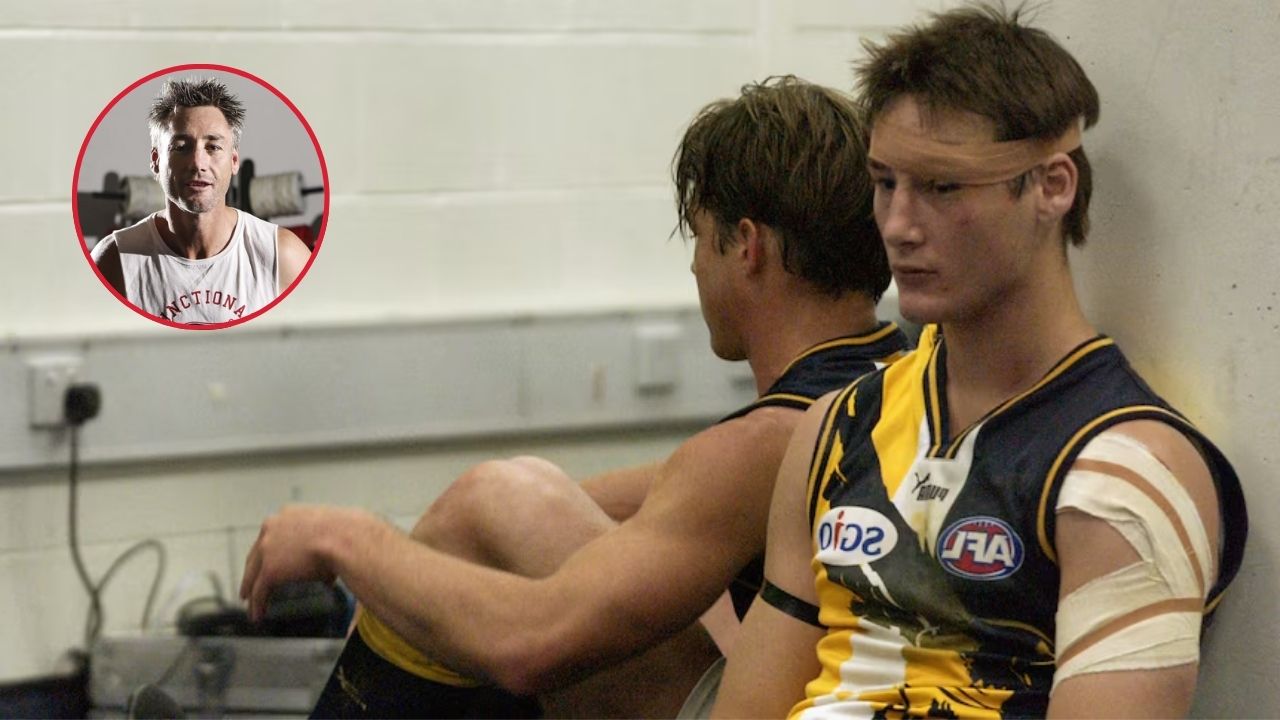
The sudden death of former West Coast Eagles premiership player Adam Hunter shocked the Australian football community and left fans searching for answers. A key member of the Eagles’ memorable 2006 AFL Premiership team, Hunter was admired for his toughness, versatility, and commitment on the field.
Following his passing in February 2025, medical investigations confirmed the immediate cause of death, while a later examination revealed another significant health condition that provided new insight into the challenges he faced after retirement.
Here is a closer look at Adam Hunter’s cause of death, his football career, and the important medical findings that emerged after his passing.
What Was Adam Hunter’s Cause of Death?
Adam Hunter died on 5 February 2025 at the age of 43.
Medical authorities determined that his death resulted from methylamphetamine-related heart failure. According to reports, Hunter had returned home to Bunbury after attending a local football training session when he began experiencing chest pain.
Shortly afterward, he became unresponsive despite efforts to help him. The news stunned the AFL community, with tributes arriving from former teammates, coaches, supporters, and clubs across Australia.
His death marked a heartbreaking end to the life of a player remembered for his courage and determination on the football field.
A Respected West Coast Eagles Star
Adam Hunter enjoyed a successful AFL career with the West Coast Eagles, becoming one of the club’s most dependable players.
Known for his ability to play in multiple positions, Hunter contributed both in defence and attack whenever his team required him. His versatility made him an important part of the Eagles’ lineup throughout the early 2000s.
One of the defining moments of his career came during the 2006 AFL Grand Final, where West Coast defeated Sydney in one of the closest premiership deciders in league history. Hunter’s contribution to that championship remains one of the highlights of his playing days.
His competitive spirit and willingness to perform difficult roles earned widespread respect from teammates and supporters alike.
The Circumstances of His Final Day
Reports indicate that Hunter had participated in local football activities before returning to his home in Bunbury.
After arriving home, he complained of chest discomfort. Not long afterward, he was found unconscious.
Although emergency assistance was sought, medical professionals were unable to save him. The sudden nature of his passing came as a shock to those who knew him personally and to the broader football community.
Many former teammates later reflected on the positive memories they shared with Hunter during his AFL career.
A Significant Medical Discovery
Several months after Hunter’s death, his family made a decision that would contribute to important medical research.
Believing he had experienced long-term effects from repeated head knocks sustained during his football career, they donated his brain to the Australian Sports Brain Bank for scientific examination.
The results revealed that Hunter had been living with Stage II Chronic Traumatic Encephalopathy (CTE).
Although CTE was not identified as the direct cause of his death, the diagnosis offered valuable insight into the neurological challenges he may have faced during the years following his retirement from professional football.
Understanding the CTE Diagnosis
Medical specialists reported that Hunter’s brain showed signs consistent with Stage II CTE, including a relatively uncommon pattern of disease known as a cortical-sparing subtype.
Researchers believe this form of CTE may be associated with significant emotional and behavioural changes, including mood instability, anxiety, depression, and impaired impulse control.
Experts stressed that ongoing research continues to explore the relationship between repeated head trauma, mental health, and long-term neurological disease.
Hunter’s diagnosis has become part of a growing body of evidence examining the lasting effects of contact sports.
Raising Awareness in Australian Football
Hunter’s posthumous diagnosis renewed conversations about concussion and brain health throughout Australian Rules football.
Sports organizations, medical researchers, and former players have increasingly focused on improving player safety, concussion management, and long-term monitoring of retired athletes.
His family’s decision to support scientific research has been praised for helping expand understanding of CTE and its potential impact on former professional players.
The findings may ultimately contribute to improved player welfare for future generations.
Remembering His Football Legacy
While discussions surrounding his health continue, Adam Hunter remains best remembered for his achievements on the field.
Throughout his AFL career, he earned a reputation as a hardworking teammate willing to perform whatever role the team required. His versatility, courage, and commitment made him an important figure during one of the most successful periods in West Coast Eagles history.
Supporters continue to remember his memorable performances, particularly during the Eagles’ premiership-winning campaign.
His contribution to Australian football remains an important part of the club’s history.
Tributes From Across the AFL
Following Hunter’s passing, heartfelt tributes poured in from across the football world.
Former teammates spoke about his loyalty, competitive nature, and sense of humor, while supporters reflected on the excitement he brought to the game.
Many described him as someone who embodied the values of teamwork and resilience, qualities that defined both his playing style and his personality.
The widespread response highlighted the lasting respect he earned throughout his football journey.
Final Thoughts
Adam Hunter’s official cause of death was methylamphetamine-related heart failure, following his sudden passing on 5 February 2025 at the age of 43. Months later, medical experts also confirmed that he had been living with Stage II Chronic Traumatic Encephalopathy (CTE), a neurological condition linked to repeated head trauma.
Although CTE was not the direct cause of his death, the diagnosis has contributed to ongoing discussions about player safety, brain health, and long-term support for retired athletes. Beyond these medical findings, Adam Hunter will continue to be remembered as a West Coast Eagles premiership hero whose dedication and determination left a lasting mark on Australian Rules football.