
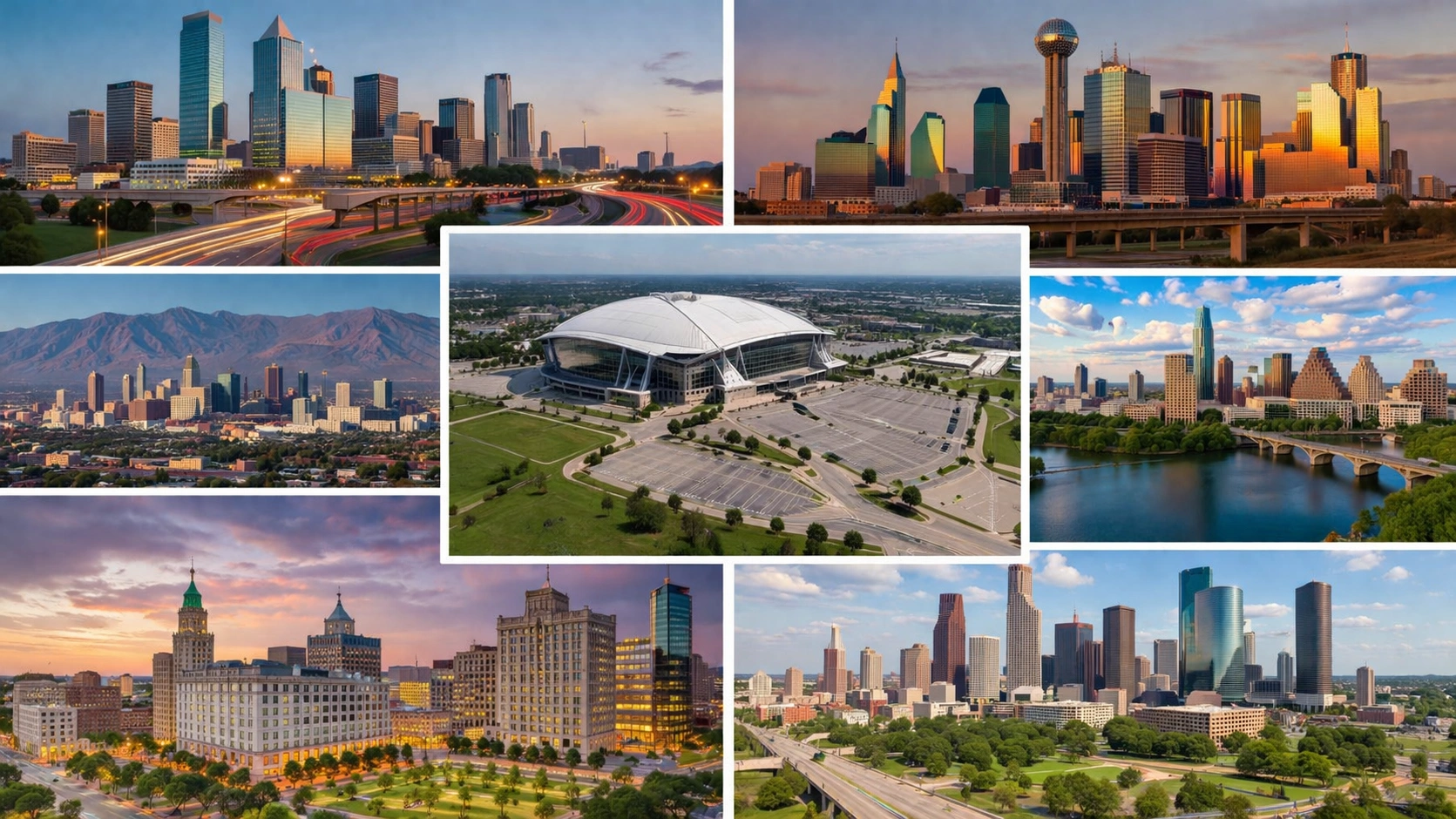
A major transformation is unfolding across Texas, and Arlington has unexpectedly become the focal point. As new transit pricing strategies ripple through Fort Worth, Dallas, Houston, Austin, El Paso, and San Antonio, the state is witnessing a dramatic shift that is reshaping how people travel, commute, and spend.
This change is not just about transportation—it is about economics, accessibility, and daily life. With pricing models evolving rapidly, both residents and travelers are being forced to adapt to a new reality where mobility comes at a different cost.
What Is Driving the Pricing Overhaul
At the heart of this shift is a push toward more dynamic and demand-based pricing. Transit systems across Texas are experimenting with fare adjustments based on peak hours, distance, and usage patterns.
The goal is to reduce congestion, improve efficiency, and generate sustainable revenue. However, these changes are also creating uneven impacts. While some commuters benefit from off-peak discounts, others are facing higher daily costs, especially in high-demand urban corridors.
Arlington’s role as a central connector between major cities has made it a key testing ground for these pricing strategies, amplifying its importance in the broader transit network.
Arlington’s Strategic Advantage
Unlike many large cities, Arlington has historically lacked a traditional public transit system, relying heavily on alternative mobility solutions. This has positioned it uniquely in the current transition.
With flexible transit models already in place, Arlington is now acting as a bridge between established systems in Dallas and Fort Worth. Its adaptability allows it to integrate new pricing structures more smoothly, making it a model for how other cities might evolve.
As a result, Arlington is no longer just a midpoint—it is becoming a central hub in Texas’ changing transportation landscape.
Economic Shockwaves Across Major Cities
The impact of these pricing changes is being felt across Texas’ largest urban centers. In Dallas and Houston, where large populations depend on daily commuting, even small fare increases are adding up quickly.
Austin, known for its rapid growth, is seeing shifts in commuting patterns as residents explore alternative options to manage costs. Meanwhile, cities like El Paso and San Antonio are navigating how to balance affordability with the need for infrastructure investment.
These economic ripple effects extend beyond individuals. Businesses, tourism sectors, and local economies are all being influenced by how easily and affordably people can move within and between cities.
Travelers Face a New Reality
For travelers, the changes mean planning has become more important than ever. Gone are the days of predictable, flat-rate fares. Instead, costs can vary depending on time, route, and demand.
This unpredictability is encouraging travelers to be more strategic. Choosing off-peak travel times, exploring multi-modal options, and leveraging digital tools to track pricing trends are becoming essential practices.
At the same time, the evolving system offers opportunities. Those who understand how to navigate it effectively can find cost savings and more efficient routes.
The Rise of Smart Mobility Choices
As pricing becomes more complex, travelers and locals alike are turning to smarter mobility solutions. Ride-sharing, bike rentals, and on-demand transit services are gaining popularity as alternatives to traditional systems.
Arlington’s flexible approach is playing a key role here, offering insights into how cities can integrate multiple modes of transportation seamlessly. This shift toward a more diversified mobility ecosystem is helping to offset some of the challenges posed by pricing changes.
Technology is also playing a crucial role. Mobile apps, real-time data, and route optimization tools are empowering users to make informed decisions in ways that were not possible before.
Local Communities Feel the Impact
Beyond commuters and travelers, local communities are experiencing the broader effects of the transit overhaul. Increased transportation costs can influence where people choose to live, work, and spend their time.
In some areas, higher fares are raising concerns about accessibility and equity, particularly for lower-income residents. Ensuring that transit remains inclusive and affordable is becoming a key challenge for policymakers.
At the same time, improved efficiency and reduced congestion have the potential to enhance quality of life, creating a complex balance between cost and benefit.
Tourism and Business Adapt to Change
Texas’ tourism and business sectors are also adjusting to the new transit landscape. Events, conferences, and attractions in cities like Austin and Dallas are rethinking how they accommodate visitors in light of changing travel costs.
Hotels and businesses are exploring partnerships with transportation providers to offer bundled solutions, making it easier for visitors to navigate the system. These adaptations are helping to maintain Texas’ appeal as a major travel destination despite the shifts.
Arlington’s growing prominence is also attracting attention, positioning it as a convenient base for exploring multiple cities.
A Survival Guide for Navigating the Shift
For those looking to stay ahead of these changes, a few strategies can make a significant difference. Planning travel during off-peak hours can help reduce costs, while using apps to monitor fare fluctuations provides valuable insights.
Exploring alternative transportation options, such as shared mobility services, can also offer flexibility and savings. Staying informed about local transit policies and updates ensures that travelers and residents can adapt quickly.
Ultimately, understanding the system is the key to navigating it effectively.
What Lies Ahead for Texas Transit
The ongoing transformation of Texas’ transit system signals a broader shift toward more dynamic and data-driven mobility solutions. While challenges remain, the changes also present opportunities for innovation and growth.
Arlington’s rise as a central player highlights the importance of adaptability in this new era. As other cities continue to refine their approaches, the state’s transportation network is likely to become more interconnected and efficient.