
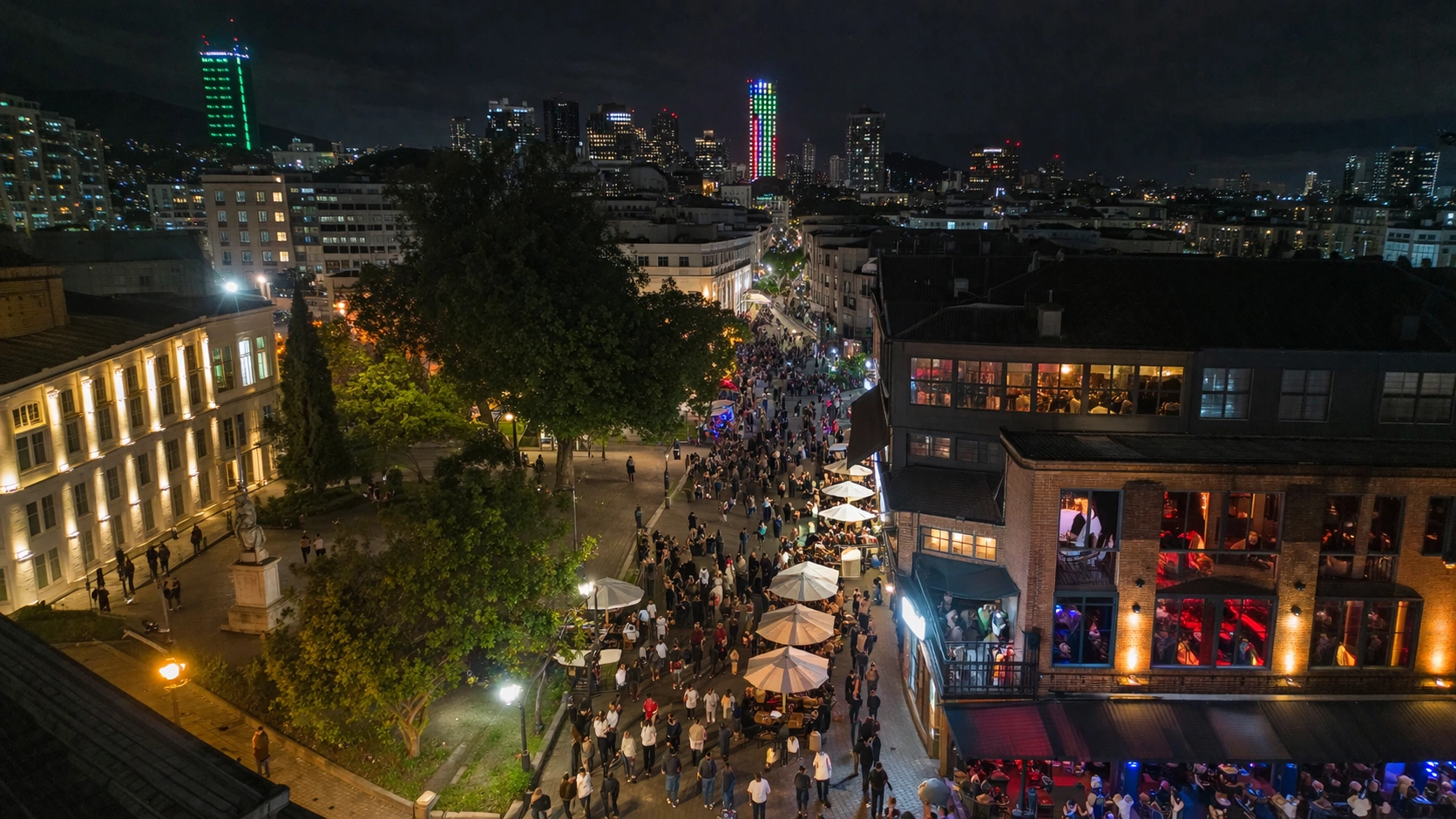
A new wave of global travel trends is being driven not by traditional tourism boards or luxury brochures, but by short-form videos, viral reels, and algorithm-powered discovery. At the center of this shift is Bogotá, a city rapidly emerging as a nightlife powerhouse for Gen Z travelers. Surpassing long-established destinations like Buenos Aires, Paris, and London in online buzz, Colombia’s capital is redefining what it means to be a must-visit nightlife hub in 2026.
What sets Bogotá apart is not just its affordability or cultural depth, but its ability to dominate social media narratives. From neon-lit rooftop parties to underground techno scenes, the city is being widely shared across platforms like YouTube, Instagram, BlueSky, and TikTok, creating a ripple effect that is reshaping global travel decisions.
Social Media Is the New Travel Guide
For Gen Z, travel inspiration is no longer found in guidebooks or traditional travel blogs. Instead, it lives in 15-second clips, aesthetic vlogs, and trending hashtags. Cities that perform well on these platforms are quickly climbing the global tourism ladder.
Bogotá has mastered this formula. Influencers and travelers showcase its nightlife through immersive storytelling—street food at midnight, live music in hidden bars, and energetic dance floors that last until sunrise. These experiences translate into highly shareable content, which in turn fuels more curiosity and visits.
Other cities are also competing fiercely in this digital race. Nashville’s live music scene, Seoul’s futuristic nightlife districts, and Charleston’s upscale bar culture are all gaining traction online. However, Bogotá’s authenticity and raw energy give it a distinct edge.
The Rise of Experience-Driven Travel
Gen Z travelers are not just looking for places to visit; they are searching for experiences that feel unique, immersive, and worth sharing. Nightlife has become a central part of this experience economy.
In Bogotá, nightlife goes beyond clubs and bars. It blends culture, music, and community. Travelers can move from a salsa club to an indie music venue, and then to a late-night street market—all within a single evening. This diversity creates a sense of adventure that resonates strongly with younger audiences.
Cities like Buenos Aires and Paris still offer iconic nightlife, but they are often perceived as more traditional. In contrast, Bogotá feels fresh, unpredictable, and deeply connected to local culture, which aligns perfectly with Gen Z’s preferences.
Competing Cities in the Global Spotlight
While Bogotá is leading the conversation, several other cities remain strong contenders in the global nightlife scene. Nashville continues to attract music lovers with its vibrant live performances and casual bar culture. Seoul offers a high-energy environment with cutting-edge clubs and late-night cafés that appeal to tech-savvy travelers.
London and Paris, despite their long-standing reputations, are adapting to this new era by embracing social media trends and promoting more localized, authentic experiences. Charleston, known for its charm and sophistication, is also gaining attention among travelers seeking a more curated nightlife experience.
However, the competition is no longer just about infrastructure or reputation. It is about visibility, relatability, and how well a city can connect with audiences online.
Affordability and Accessibility Matter
Another key factor behind Bogotá’s rise is its affordability. For many Gen Z travelers, budget plays a crucial role in destination choices. Compared to cities like London or Paris, Bogotá offers a significantly lower cost of living, making it possible to enjoy a rich nightlife experience without overspending.
Affordable drinks, inexpensive entry fees, and reasonably priced accommodations make the city highly attractive. Additionally, improved connectivity and growing international awareness are making Bogotá more accessible than ever before.
This combination of affordability and high-quality experiences creates a compelling value proposition that is difficult for other cities to match.
The Power of Cultural Authenticity
Authenticity has become one of the most important drivers of travel decisions. Gen Z travelers are drawn to places that feel real, unfiltered, and culturally rich. Bogotá excels in this area by offering a nightlife scene deeply rooted in its local identity.
Music genres like reggaeton, salsa, and electronic fusion dominate the city’s nightlife, creating an atmosphere that feels both vibrant and unique. Local artists, DJs, and performers play a central role, ensuring that every night out feels like a genuine cultural experience rather than a manufactured one.
This authenticity not only enhances the travel experience but also makes the content more engaging and shareable, further boosting Bogotá’s global appeal.
Digital Competition Is Reshaping Tourism
The rise of platforms like TikTok and Instagram has turned cities into competitors in a global digital arena. Every viral video, trending hashtag, or influencer post contributes to a city’s reputation and visibility.
Bogotá’s ability to consistently generate viral content has positioned it as a leader in this new form of competition. Meanwhile, other cities are investing in digital campaigns, influencer collaborations, and creative storytelling to stay relevant.
This shift is fundamentally changing how destinations market themselves. Success is no longer determined solely by traditional metrics but by engagement, reach, and online influence.
What This Means for Future Travelers
As Bogotá continues to gain momentum, it signals a broader change in global travel patterns. Destinations that embrace authenticity, affordability, and digital storytelling are likely to dominate in the coming years.
For travelers, this means more diverse options and a greater emphasis on experiences that go beyond the ordinary. Nightlife is becoming a key lens through which cities are explored, offering a dynamic way to connect with local culture.
Bogotá’s rise is not just a trend; it represents a shift in how travel is perceived and experienced. As more cities join this digital race, the global tourism landscape will continue to evolve, shaped by the preferences and behaviors of a new generation.