
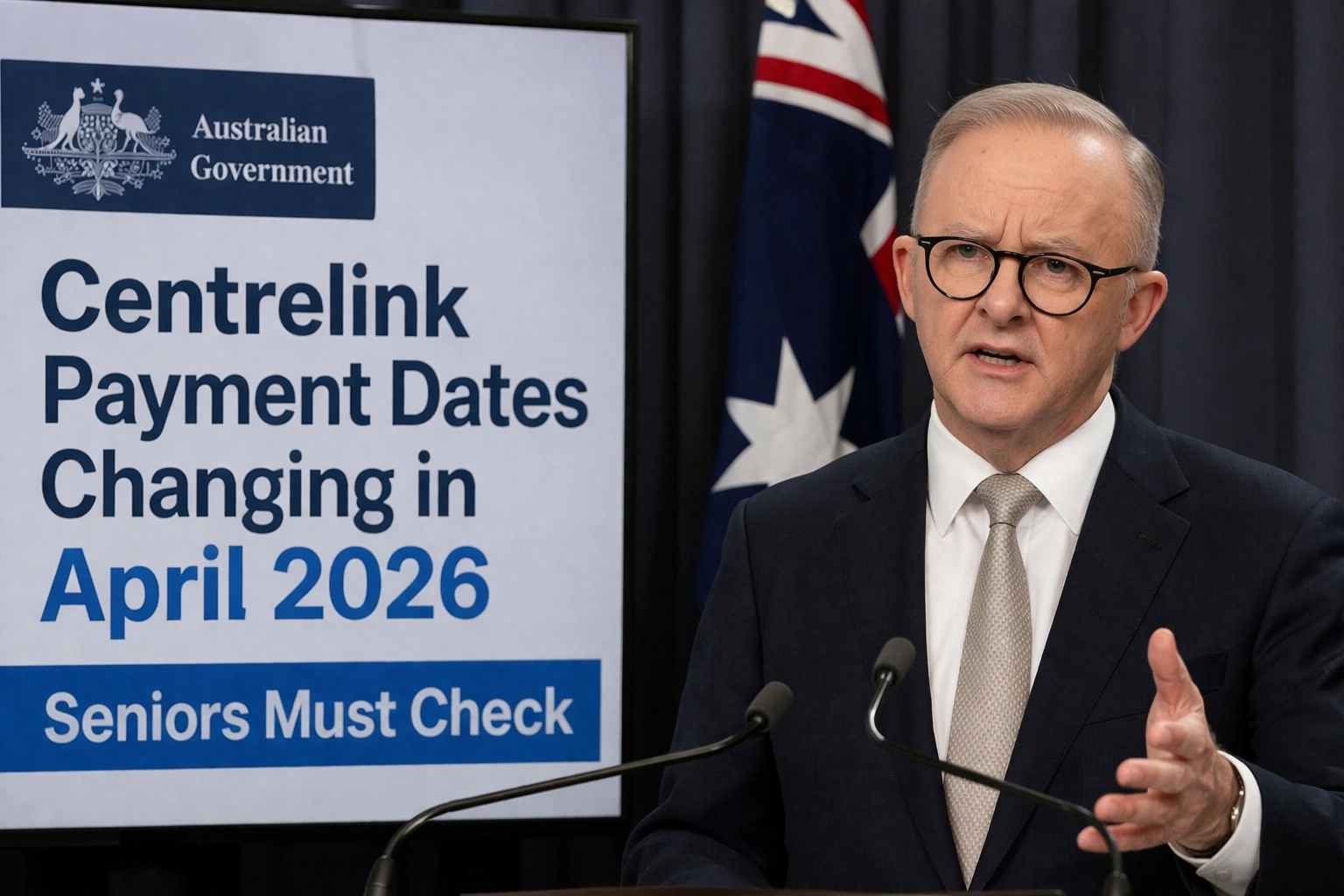
Centrelink Payment Dates Changing in April 2026 – Seniors Must Check
Centrelink payment dates are changing in April 2026, and seniors across Australia are being urged to review their updated schedules to avoid confusion or missed expectations. These changes are part of routine adjustments linked to public holidays and administrative processing timelines, but they can still have a significant impact on how and when payments are received.
For pensioners and older Australians who rely on regular Centrelink support, even a slight shift in payment timing can affect budgeting, bill payments, and daily expenses. Understanding these updates is essential to staying financially prepared.
Why Payment Dates Are Changing
The primary reason behind the April 2026 payment changes is the alignment with public holidays, particularly around Easter and other national observances. When scheduled payment dates fall on or near public holidays, Centrelink typically adjusts disbursement timelines to ensure recipients are not left waiting.
In most cases, payments may be issued earlier than usual rather than delayed. However, this can sometimes create the impression of a longer gap before the next payment arrives, which may catch some recipients off guard.
Administrative updates and system processing schedules can also play a role in determining exact payment dates.
Who Is Affected by the Changes
The updated payment schedule mainly affects seniors receiving benefits such as the Age Pension, Disability Support Pension, and Carer Payment. Other Centrelink recipients may also experience minor timing adjustments depending on their payment cycle.
For seniors, these payments are often a primary source of income, making it especially important to stay informed. Those who receive payments fortnightly or on fixed dates should pay close attention to any changes announced for April.
Even if the amount remains unchanged, the timing shift can influence how funds are managed throughout the month.
What the New Payment Schedule Means
While specific payment dates may vary depending on individual circumstances, the key change in April 2026 is that some payments will arrive earlier than usual due to holiday closures.
This means recipients may receive funds sooner, but they will need to budget carefully to ensure the money lasts until the next scheduled payment. The gap between payments could feel longer if spending is not adjusted accordingly.
Understanding this timing difference is crucial for maintaining financial stability during the transition period.
How Seniors Can Check Their Updated Dates
Centrelink provides several ways for recipients to check their updated payment schedules. The most convenient option is through the official myGov account, where users can view payment dates, amounts, and any upcoming changes.
The Express Plus Centrelink mobile app is another useful tool, offering real-time updates and notifications. Seniors who prefer offline methods can also contact Centrelink directly or visit a local service center for assistance.
Staying proactive and checking payment details in advance can help avoid surprises.
Budgeting Tips During Payment Changes
Adjusting to a new payment schedule requires careful planning. Seniors are advised to review their monthly expenses and align them with the updated payment dates.
Creating a simple budget can help ensure that essential costs such as rent, utilities, groceries, and medications are covered without stress. Setting aside a portion of the early payment for later use can prevent shortfalls before the next payment arrives.
It may also be helpful to schedule automatic bill payments after confirming the new dates to avoid missed deadlines.
Common Mistakes to Avoid
One of the most common issues during payment changes is assuming that an early payment is an extra payment. In reality, it is simply an adjustment in timing, not an increase in benefits.
Spending the funds too quickly can lead to financial strain later in the cycle. Seniors should also avoid ignoring notifications or updates from Centrelink, as these often contain important information about changes.
Another mistake is failing to update personal records or contact details, which can result in missed communications.
Support Options for Seniors
For those who find the changes confusing or challenging, support is available. Centrelink offers assistance through phone services, online help, and in-person visits.
Community organizations and financial counseling services can also provide guidance on managing payments and budgeting effectively. Family members or caregivers may play a role in helping seniors navigate these updates.
Seeking support early can make the transition smoother and reduce stress.
Broader Impact on Financial Planning
While the April 2026 changes may seem temporary, they highlight the importance of staying informed about payment schedules throughout the year. Public holidays and administrative updates can lead to similar adjustments at other times.
Building flexibility into financial planning can help seniors adapt more easily to these changes. Maintaining a small emergency buffer or savings reserve can provide additional security during periods of adjustment.
Being prepared ensures that short-term changes do not disrupt long-term financial stability.
What Seniors Should Do Now
Seniors are encouraged to log into their Centrelink or myGov accounts immediately to confirm their updated April 2026 payment dates. Reviewing upcoming payments and planning expenses accordingly can prevent unnecessary stress.
Keeping track of official announcements and staying informed about future updates will also help ensure a smooth experience.