
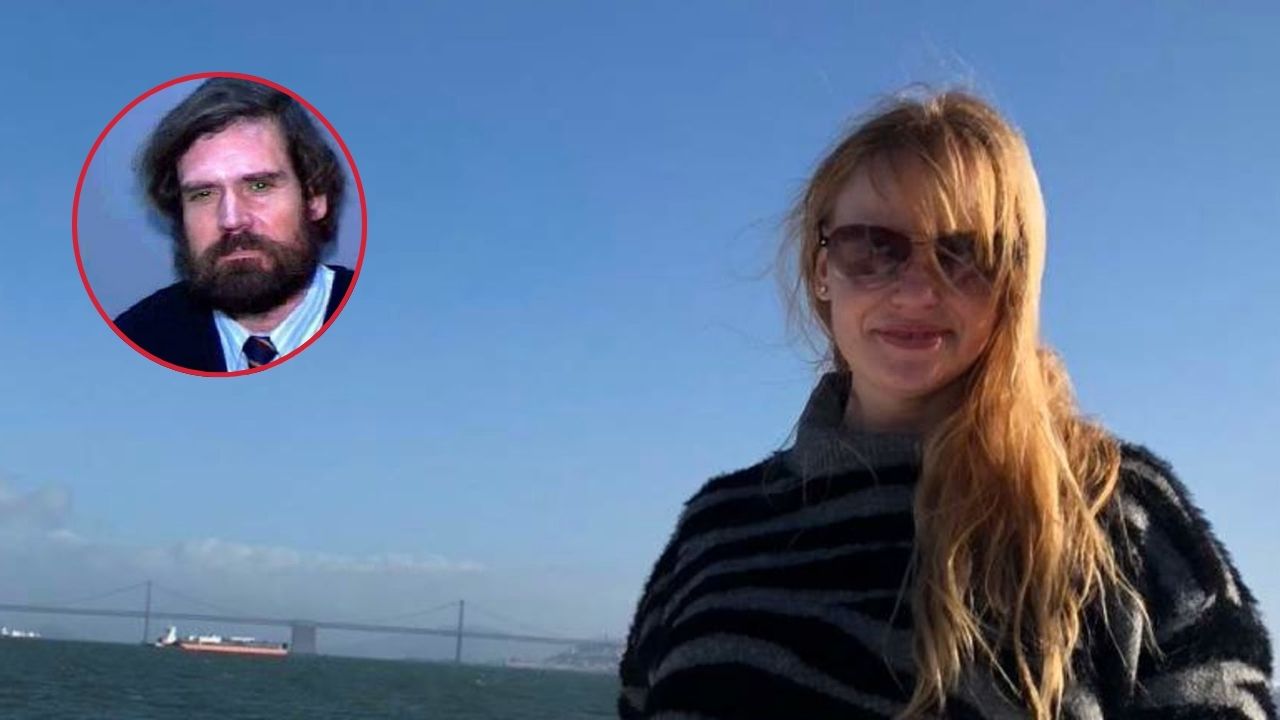
The case of Charles Wilding missing continues to attract widespread attention after being featured in Netflix’s Worst Neighbor Ever. What initially appeared to be a routine missing person investigation in Sherman Oaks, Los Angeles, eventually revealed an elaborate fraud operation involving forged legal documents, stolen assets, and a carefully planned attempt to hide what had happened.
Wilding, a 70-year-old homeowner known for living a quiet and private life, was officially reported missing in 2021 after neighbors became concerned about his long absence. As investigators examined the circumstances, they uncovered evidence that pointed to a sophisticated financial conspiracy worth nearly $3.9 million.
Today, the case is remembered as one of the most unusual fraud investigations in recent California history.
Who Was Charles Wilding?
Charles Wilding lived alone in Sherman Oaks, a neighborhood in Los Angeles, California. Friends and neighbors described him as a reserved individual who preferred privacy and maintained a low profile.
Because he rarely interacted with many people, his disappearance did not immediately raise alarm. However, after months without seeing him, neighbors eventually contacted authorities, prompting the Los Angeles Police Department to begin a missing person investigation.
That investigation would soon uncover a much larger criminal operation.
What Investigators Discovered
According to federal prosecutors, Wilding had passed away inside his home in September 2020 from what investigators believe were likely natural causes.
Instead of notifying authorities after discovering him, prosecutors say career criminal Matthew Jason Kroth entered the residence while attempting to burglarize the property.
Investigators allege Kroth contacted Caroline Herrling, also known as Carrie Phenix, and together they began executing a scheme to seize control of Wilding’s finances, trust, investment accounts, and real estate.
Rather than reporting the situation, the group allegedly focused on creating fraudulent documents designed to make it appear they had legal authority over his estate.
Alleged Fraud Lasted for Months
Federal court documents describe a months-long operation in which forged paperwork became central to the conspiracy.
Investigators say fake powers of attorney and other legal documents were created to gain access to Wilding’s financial assets.
Authorities allege the suspects attempted to transfer ownership of valuable property while withdrawing money from bank accounts and trust funds.
By the time investigators uncovered the operation, prosecutors estimated the total fraud approached $3.9 million, making it one of the more significant financial crime cases involving an individual victim in California.
Efforts to Mislead Investigators
When police began asking questions about Wilding’s whereabouts, investigators say the suspects made several attempts to convince authorities that he was still alive.
According to prosecutors, an individual was allegedly hired to impersonate Wilding during a phone conversation with investigators.
Authorities also alleged another person accepted payment to falsely claim that Wilding had recently been seen alive.
These actions delayed the investigation but ultimately failed as federal agencies gathered financial records, witness statements, and other evidence connecting the suspects to the fraud.
Remains Were Never Recovered
Investigators later concluded that those involved attempted to eliminate evidence after realizing Wilding’s passing would eventually be discovered.
Court filings describe extensive efforts to dispose of his remains before they were allegedly taken by boat and discarded in the San Francisco Bay.
Despite extensive investigations, authorities have never recovered Wilding’s remains.
Because of the absence of physical evidence, prosecutors focused primarily on financial crimes and related federal offenses rather than pursuing homicide charges.
Court Outcomes in the Case
Federal prosecutors eventually secured guilty pleas from the principal defendants connected to the conspiracy.
Caroline Herrling pleaded guilty to conspiracy to commit wire fraud. She received a 20-year federal prison sentence and was ordered to pay approximately $3.88 million in restitution.
Matthew Jason Kroth also pleaded guilty to wire fraud conspiracy along with methamphetamine trafficking charges. Court records show he was ordered to pay nearly $2 million in restitution and received a separate prison sentence.
The convictions marked the conclusion of a lengthy investigation involving local law enforcement and federal authorities.
Netflix Brings the Story Back Into Focus
Public interest in the Charles Wilding case increased again after it was featured in Netflix’s true-crime documentary series Worst Neighbor Ever.
The episode explores how investigators pieced together the financial fraud, the missing person investigation, and the unusual sequence of events that followed Wilding’s passing.
Since the series premiered, online searches for “Charles Wilding missing” have risen sharply as viewers look for verified details beyond the documentary.
Lessons From the Investigation
The Charles Wilding investigation highlights how financial crimes can continue for months when vulnerable individuals live alone without regular contact from family or friends.
Experts often encourage neighbors, relatives, and community members to report prolonged unexplained absences, especially involving older adults who normally maintain consistent routines.
The case also demonstrates the importance of careful oversight of legal documents, estate planning records, and financial transactions. Banks, investigators, and courts relied on extensive documentation to uncover forged paperwork and trace suspicious transfers that ultimately exposed the conspiracy.
Although the circumstances surrounding Charles Wilding remain deeply disturbing, the investigation ultimately uncovered a complex fraud scheme that authorities say targeted both his estate and other vulnerable victims. Years after the missing person report was filed, the case continues to serve as a reminder of how persistence by neighbors and investigators can reveal the truth behind even the most puzzling disappearances.