
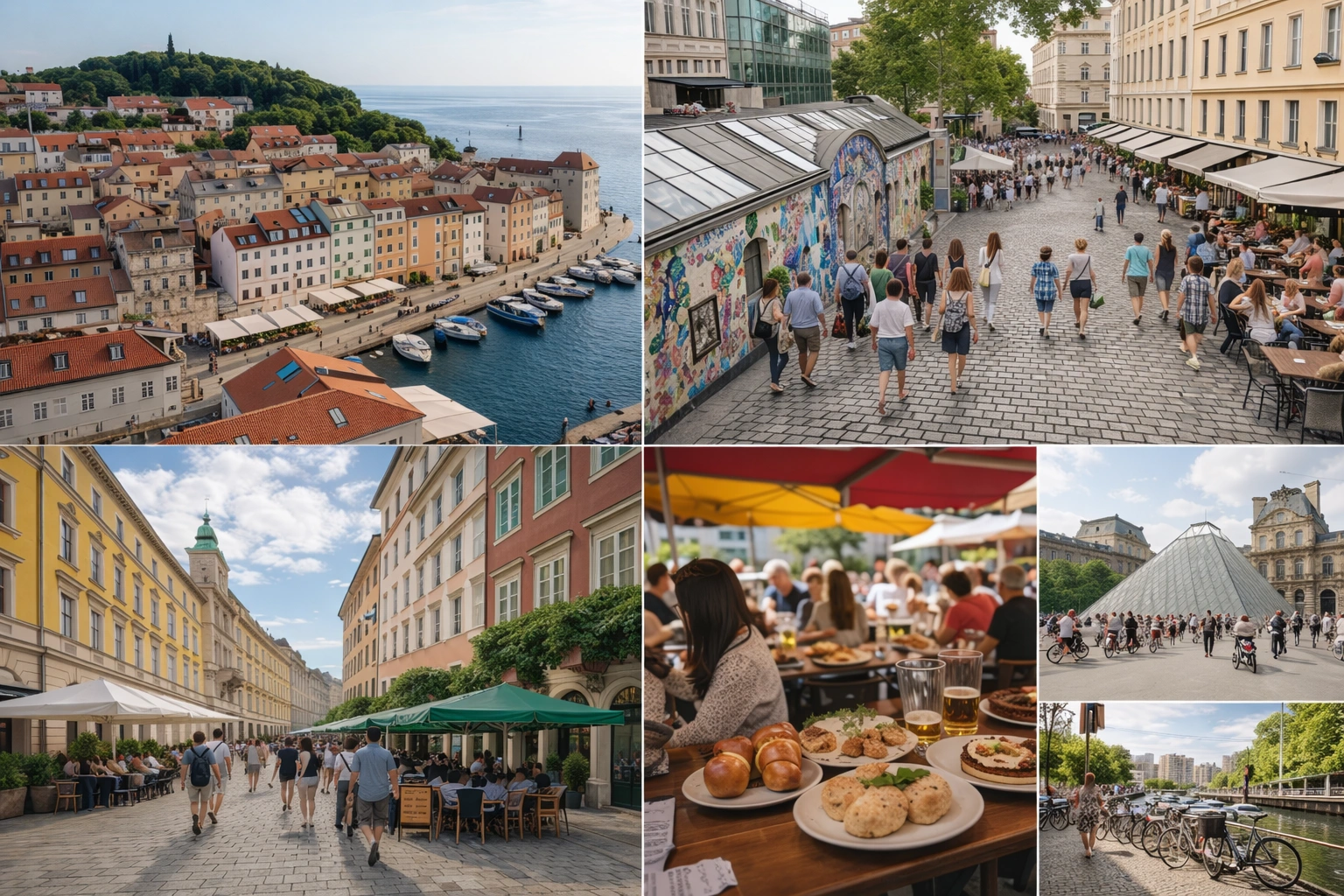
Europe is entering a new phase in global tourism as countries shift their focus toward more meaningful and sustainable travel experiences. Croatia has now joined leading destinations such as Germany, Italy, Greece, France, and Denmark in promoting tourism built around urban culture, culinary exploration, and sustainability.
This transformation reflects changing traveler expectations, where visitors are increasingly seeking authentic experiences rather than traditional sightseeing. The new approach is reshaping how destinations position themselves in an increasingly competitive global market.
Croatia Emerges as a Key Player
Croatia is rapidly gaining recognition as a standout destination in this evolving tourism landscape. Known for its stunning coastline and historic cities, the country is now emphasizing its cultural depth, local cuisine, and eco-friendly initiatives.
Cities like Dubrovnik, Split, and Zagreb are being promoted not just for their visual appeal but for their vibrant urban life, festivals, and culinary diversity. Croatia’s tourism strategy is focused on attracting travelers who value immersive experiences and sustainable practices.
By aligning with broader European trends, Croatia is strengthening its position as a year-round destination rather than a seasonal hotspot.
Urban Culture Takes Center Stage
Across Europe, urban culture is becoming a major draw for international travelers. Cities are highlighting their art scenes, music festivals, architecture, and local traditions to create richer travel experiences.
Germany and France, for example, are promoting cultural districts, museums, and creative spaces that showcase their heritage in modern ways. Italy and Greece are blending historical landmarks with contemporary urban experiences, offering travelers a unique mix of old and new.
This focus on urban culture is particularly appealing to younger travelers and digital nomads who seek dynamic and engaging environments.
Culinary Tourism on the Rise
Food has become a central element of the travel experience, and European countries are capitalizing on this trend. Culinary tourism is now a key pillar of tourism strategies across the region.
Italy and France continue to lead with their globally recognized cuisines, while Greece and Croatia are gaining attention for their Mediterranean flavors and locally sourced ingredients. Denmark, known for its innovative gastronomy, is attracting food enthusiasts interested in modern culinary techniques.
Travelers are increasingly planning trips around food experiences, including cooking classes, food tours, and visits to local markets. This trend is driving economic benefits for local communities and small businesses.
Sustainability Becomes a Priority
Sustainability is no longer optional in tourism—it is becoming a core requirement. European destinations are implementing eco-friendly policies to reduce the environmental impact of travel.
Croatia, along with countries like Denmark and Germany, is investing in sustainable infrastructure, promoting responsible tourism, and encouraging visitors to adopt environmentally conscious practices.
Initiatives include reducing plastic use, supporting local economies, and preserving natural and cultural heritage. These efforts are resonating with travelers who prioritize sustainability in their travel choices.
Changing Traveler Preferences
The shift in tourism strategies is largely driven by evolving traveler preferences. Modern travelers are looking for experiences that are authentic, personalized, and socially responsible.
Mass tourism is gradually giving way to more curated and meaningful journeys. Visitors are spending more time in fewer destinations, engaging with local communities, and seeking unique experiences that go beyond traditional attractions.
This change is influencing how destinations design their tourism offerings and marketing campaigns.
Economic Benefits for Local Communities
The focus on culture, cuisine, and sustainability is also delivering economic benefits at the local level. Small businesses, artisans, and local producers are playing a larger role in the tourism ecosystem.
By promoting local experiences, countries are ensuring that tourism revenue is distributed more evenly across communities. This approach supports job creation and helps preserve cultural traditions.
Croatia’s emphasis on regional experiences, for example, is encouraging travelers to explore beyond major cities and discover lesser-known areas.
Airlines and Connectivity Support Growth
Improved connectivity is playing a crucial role in supporting this new wave of tourism. Airlines are expanding routes to European destinations, making it easier for travelers to access cities and regions that were previously less connected.
Budget carriers and full-service airlines alike are responding to increased demand, offering more options for travelers. This enhanced connectivity is helping destinations like Croatia attract a broader international audience.
At the same time, efforts are being made to balance growth with sustainability to avoid over-tourism.
Europe’s Competitive Edge Strengthens
By focusing on quality over quantity, European destinations are enhancing their global appeal. The emphasis on cultural richness, culinary excellence, and sustainable practices is creating a distinct competitive advantage.
Countries are collaborating and sharing best practices to ensure long-term growth while preserving their unique identities. This collective effort is positioning Europe as a leader in the next generation of tourism.
Croatia’s inclusion in this group highlights its growing influence and potential in the global travel market.
Outlook for the Future of Travel
The future of tourism in Europe looks increasingly centered on experience-driven travel. As Croatia joins Germany, Italy, Greece, France, Denmark, and others in embracing this shift, the region is setting new standards for global tourism.
Travelers can expect more immersive, sustainable, and culturally rich journeys in the years ahead. Destinations that successfully adapt to these trends are likely to see continued growth and international recognition.