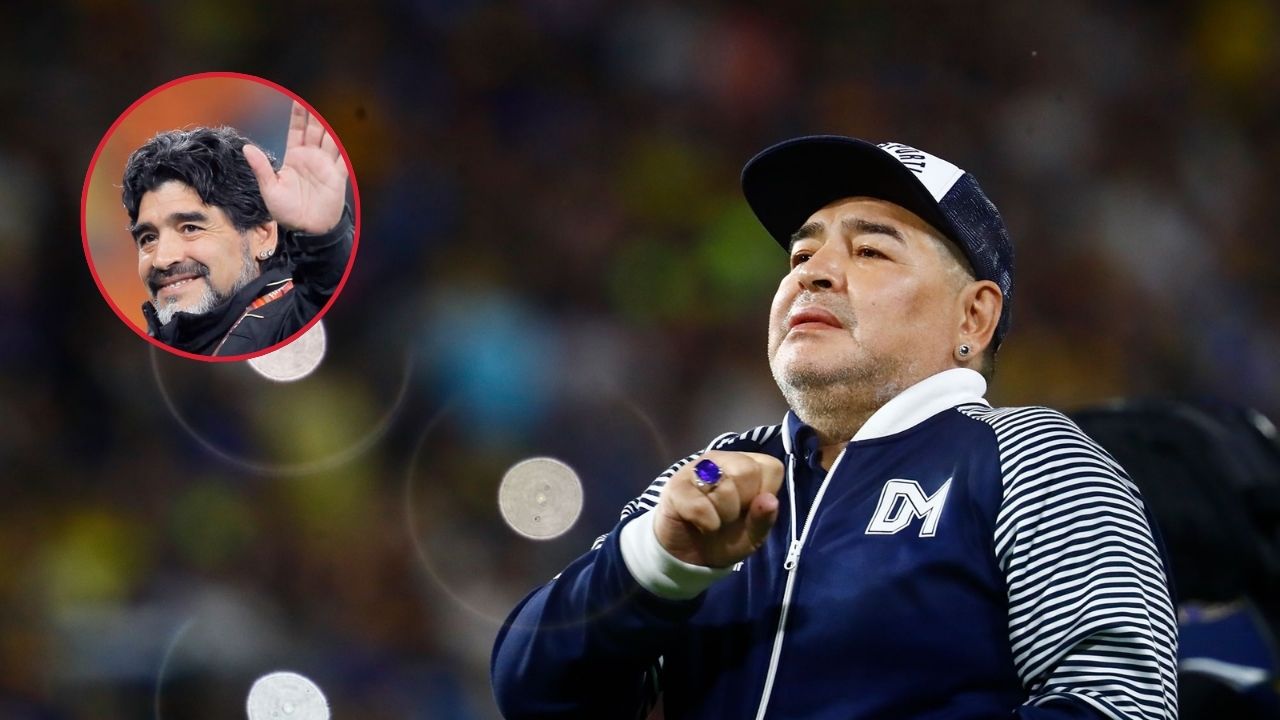
The death of Diego Maradona on November 25, 2020, shocked the football world and triggered an outpouring of grief across continents. Widely regarded as one of the greatest players in the history of the sport, the Argentine legend left behind an unmatched legacy on the pitch and a complicated personal story off it.
More than five years after his passing, Maradona’s death continues to draw attention because of the medical findings, legal investigations, and ongoing court proceedings involving members of his healthcare team. While the official cause of death has been established, questions surrounding the care he received in his final weeks remain a subject of intense debate.
What Was Diego Maradona’s Cause of Death?
According to the official autopsy, Diego Maradona died from acute pulmonary edema caused by congestive heart failure. He passed away in his sleep at a private residence in Dique Luján, Argentina, where he was recovering after recent brain surgery.
Acute pulmonary edema occurs when fluid accumulates in the lungs, making breathing increasingly difficult. In Maradona’s case, medical experts determined that the condition developed as a result of severe heart failure linked to an enlarged and weakened heart muscle.
The forensic report concluded that his heart was unable to pump blood effectively, leading to fluid buildup throughout his body and ultimately his lungs.
Recovery After Brain Surgery
Just weeks before his death, Maradona underwent surgery to remove a subdural hematoma, a blood clot located between the brain and its outer covering.
The operation was considered successful, and initial reports suggested that he was recovering well. Following the procedure, doctors decided that he would continue rehabilitation and medical monitoring at home rather than in a hospital setting.
At the time, many supporters believed the football icon was on the path toward recovery. However, his health remained fragile due to multiple long-term medical issues that had affected him for years.
The decision to oversee his recovery in a home environment later became a major focus of legal investigations.
Long-Term Health Challenges
Maradona’s health had been deteriorating long before his final hospitalization.
Throughout his adult life, he faced highly publicized struggles involving substance abuse, alcohol dependency, obesity, and cardiovascular problems. These issues placed significant stress on his body and contributed to chronic medical conditions.
Medical experts involved in the investigation noted that his heart had become enlarged and weakened over time. Such conditions can significantly increase the risk of heart failure and related complications.
In addition to cardiovascular concerns, Maradona had experienced various health crises during the final two decades of his life, requiring repeated medical intervention.
By 2020, many specialists considered him a high-risk patient requiring close monitoring.
Findings From the Autopsy
The forensic examination provided a detailed picture of Maradona’s physical condition at the time of death.
Investigators found evidence of significant fluid accumulation in the lungs, a hallmark sign of pulmonary edema. Reports also indicated that his heart showed signs of dilated cardiomyopathy, a disease that weakens the heart muscle and reduces its ability to pump blood efficiently.
Medical experts concluded that the condition had likely developed over an extended period rather than appearing suddenly.
Some testimony later suggested that symptoms of fluid retention and declining health may have been visible before his death, raising questions about whether warning signs were adequately addressed.
Legal Case Against Medical Staff
One of the most controversial aspects of Maradona’s death involves the legal proceedings launched against several healthcare professionals responsible for his treatment.
Prosecutors have argued that members of his medical team failed to provide appropriate care during his recovery period. The accused include doctors, nurses, and other healthcare providers involved in monitoring his condition after surgery.
Authorities have alleged that Maradona may not have received the level of medical supervision required for a patient with his complex health profile.
The legal case centers on whether negligent actions or omissions contributed to his death.
The accused have denied wrongdoing, and the proceedings have generated significant public interest both in Argentina and internationally.
Claims of Medical Negligence
Investigators examining the case have focused on whether Maradona’s deteriorating condition was properly recognized and treated.
Prosecutors claim there were indications that he was experiencing serious medical complications before his death. According to reports presented during legal proceedings, signs of worsening heart failure may have been overlooked or insufficiently addressed.
Some medical experts involved in the investigation described aspects of his home care arrangement as inadequate for a patient recovering from brain surgery while dealing with multiple chronic illnesses.
The allegations have fueled years of legal disputes and public discussion.
Impact on Argentina and World Football
Maradona’s death sent shockwaves through Argentina and the global football community.
Thousands of supporters gathered to pay tribute, while current and former players shared emotional messages honoring his achievements. Across the world, stadiums, clubs, and national teams observed moments of silence in his memory.
For many fans, Maradona represented far more than football. His unforgettable performances during the 1986 FIFA World Cup turned him into a national hero and one of the most recognizable athletes of all time.
His influence continues to be felt years after his passing.
A Legacy Beyond the Controversy
Although legal questions surrounding his death remain part of the public conversation, Maradona’s legacy is ultimately defined by his extraordinary impact on football.
His creativity, skill, vision, and competitive spirit inspired generations of players. Few athletes have left such a profound mark on their sport or on the culture of their country.
Whether remembered for his iconic goals, unforgettable World Cup triumph, or larger-than-life personality, Diego Maradona remains one of football’s most celebrated figures.
Diego Maradona Cause of Death
Diego Maradona died on November 25, 2020, at the age of 60. The official cause of death was acute pulmonary edema resulting from congestive heart failure. Medical examinations found that fluid had accumulated in his lungs due to severe heart disease. His death occurred while he was recovering at home following brain surgery, and the circumstances surrounding his medical care later became the subject of extensive legal investigations in Argentina.