
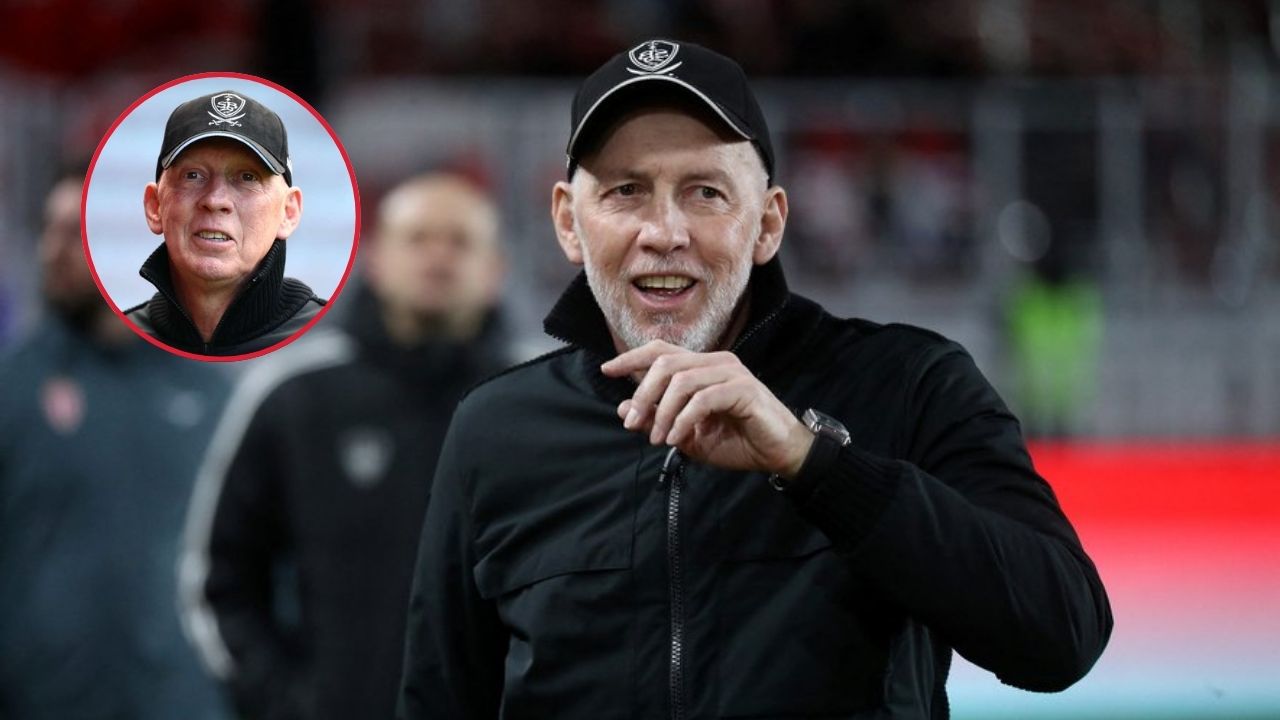
French football is mourning the loss of Éric Roy, the respected manager who transformed Stade Brestois into one of Europe’s most remarkable football stories. Roy passed away on June 17, 2026, at the age of 58, bringing an end to a courageous and largely private battle with cancer.
The former midfielder and successful coach was admired not only for his achievements on the field but also for his resilience away from it. News of his death shocked many supporters because few outside his closest circle knew about the health challenges he had been facing for years.
As tributes continue to arrive from across France and the wider football community, many fans are looking back on his career and seeking details about the illness that ultimately claimed his life.
What Was Eric Roy’s Cause of Death?
Éric Roy died from pancreatic cancer after fighting the disease for approximately three and a half years.
According to statements released by his family following his passing, Roy chose to keep his diagnosis private while continuing to work in professional football. Despite undergoing treatment, he remained actively involved in coaching and leadership roles until the final stages of his illness.
His family revealed that football played a crucial role in helping him maintain strength and motivation throughout his battle. Rather than allowing the disease to define him publicly, Roy continued focusing on the sport he loved.
His death occurred on June 17, 2026, at the age of 58.
A Private Health Battle
One of the most remarkable aspects of Roy’s story was the discretion with which he handled his illness.
For more than three years, he reportedly underwent treatment while continuing to carry out demanding responsibilities in elite football. Very few people outside his immediate family and trusted associates were aware of his diagnosis.
His decision to keep the condition private reflected his desire to avoid becoming the focus of attention. Instead, he preferred discussions to remain centered on his team, players, and performances on the pitch.
Even during difficult periods of treatment, he maintained his commitment to coaching and leadership.
The revelation of his long battle surprised many supporters who had watched him manage from the sidelines without realizing the personal challenges he was confronting.
Finding Strength Through Football
According to family members, football became one of the key sources of motivation during Roy’s illness.
His children explained that his passion for the game and his dedication to Stade Brestois provided emotional energy during treatment. The daily challenges of coaching, planning matches, and working with players helped him maintain focus and determination.
Rather than withdrawing from public life, Roy continued pursuing professional goals and supporting his club’s ambitions.
His ability to remain engaged in football despite serious health struggles has been widely praised since news of his death emerged.
Many colleagues have described his perseverance as a reflection of the character that defined his entire career.
Early Playing Career
Before becoming a successful manager, Roy enjoyed a lengthy professional playing career.
As a midfielder, he represented several notable clubs in France and abroad. He spent significant periods with teams such as Nice, Lyon, and Marseille, building a reputation as a reliable and intelligent player.
His career also took him outside France, including spells in England with Sunderland and in Spain with Rayo Vallecano.
These experiences exposed him to different football cultures and tactical approaches, helping shape the knowledge he would later apply as a coach.
His years as a player earned him respect throughout the game and provided the foundation for his future success on the sidelines.
The Brest Transformation
Although Roy enjoyed a successful playing career, his greatest achievements arguably came as a manager.
In January 2023, he accepted the challenge of leading Stade Brestois 29, a club that many viewed as an underdog within French football.
What followed became one of the most remarkable stories in recent Ligue 1 history.
Under Roy’s leadership, Brest exceeded expectations and competed with clubs possessing significantly larger budgets and greater resources. Through organization, discipline, and belief, the team developed into one of the league’s most difficult opponents.
His management style earned admiration throughout French football.
Historic Champions League Qualification
The defining moment of Roy’s coaching career arrived during the 2023-24 season.
Against overwhelming odds, Brest secured a stunning third-place finish in Ligue 1. The achievement earned the club its first-ever qualification for the UEFA Champions League.
For supporters, it was a dream that few thought possible. Competing against some of France’s wealthiest and most established clubs, Brest emerged as one of the season’s biggest success stories.
Roy’s tactical approach, leadership skills, and ability to inspire players received widespread praise.
The accomplishment transformed both his reputation and the club’s place in European football history.
Recognition and Awards
Following Brest’s extraordinary campaign, Roy received significant recognition from the football community.
His achievements earned him Ligue 1 Manager of the Season honors in 2024, acknowledging the remarkable turnaround he had overseen.
The award reflected not only results on the field but also the respect he commanded among fellow coaches, players, and football executives.
Many observers considered his work with Brest one of the finest managerial performances in recent French football history.
The success became even more inspiring after details of his private health battle emerged.
Tributes Across Football
Following the announcement of Roy’s death, clubs, players, coaches, and supporters expressed their condolences.
Messages highlighted his professionalism, leadership, and passion for football. Many former colleagues remembered him as a thoughtful individual who treated people with respect and humility.
Supporters of Brest paid tribute to the coach who delivered one of the greatest periods in the club’s history.
Across France and Europe, football figures acknowledged the impact he made both on and off the field.
Eric Roy Cause of Death
Éric Roy died on June 17, 2026, at the age of 58 after a three-and-a-half-year battle with pancreatic cancer. His family revealed that he had chosen to keep his diagnosis private while continuing his coaching career. Despite undergoing treatment, Roy remained dedicated to football and helped guide Stade Brestois to historic success, including the club’s first-ever qualification for the UEFA Champions League. His courage, resilience, and achievements ensure that his legacy will be remembered throughout the football world.