
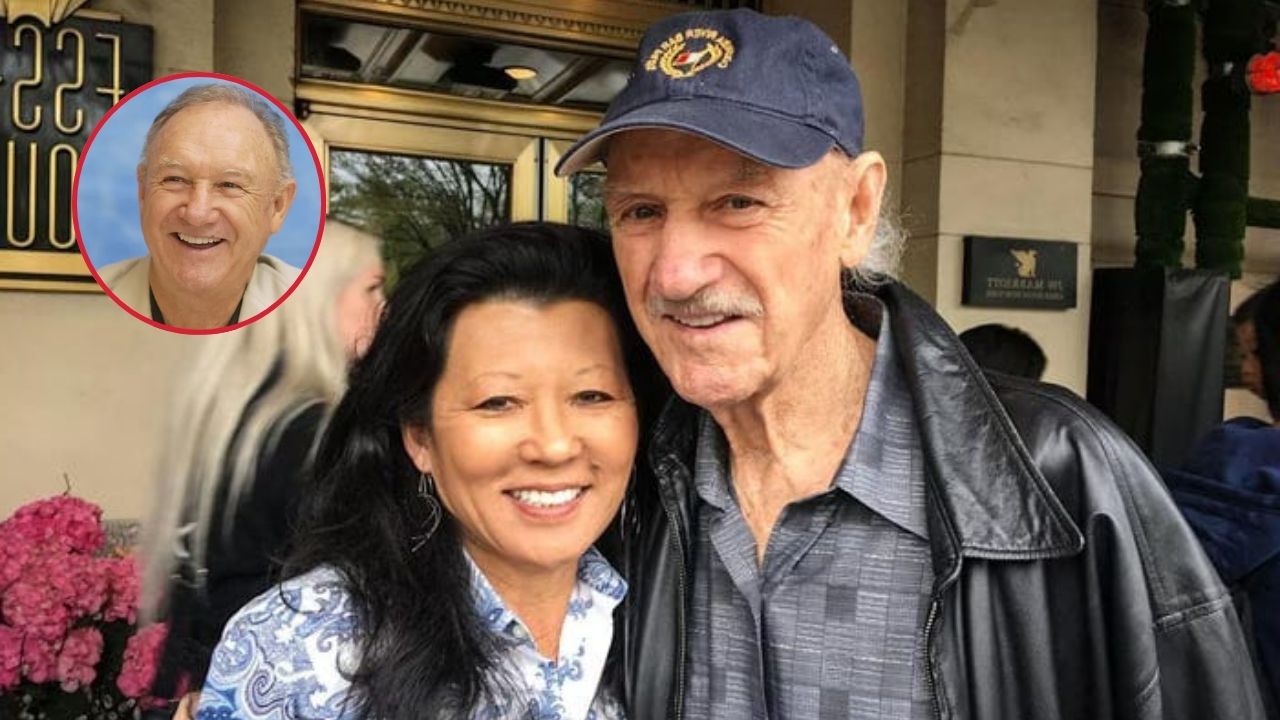
The death of legendary actor Gene Hackman shocked movie fans around the world when details emerged about the circumstances surrounding his final days. The two-time Academy Award winner, known for iconic performances in films such as The French Connection, Unforgiven, and Hoosiers, passed away at the age of 95 at his home in Santa Fe, New Mexico.
As investigators completed their examination, official findings revealed that Hackman died from hypertensive and atherosclerotic cardiovascular disease, with advanced Alzheimer’s disease identified as a significant contributing condition. The case attracted widespread attention not only because of Hackman’s status as one of Hollywood’s most respected actors but also because of the tragic events involving his wife, Betsy Arakawa.
Official Cause of Death
Medical investigators determined that Gene Hackman’s death was caused by complications related to severe heart disease.
According to autopsy findings, he suffered from hypertensive cardiovascular disease and atherosclerotic cardiovascular disease, conditions that develop when blood vessels become narrowed and damaged over time. These disorders can significantly reduce blood flow to vital organs and increase the risk of fatal cardiac events.
Authorities concluded that Hackman likely died around February 18, 2025, based on evidence collected during the investigation and data retrieved from his implanted medical devices.
The findings ruled out foul play and confirmed that his death resulted from natural causes.
Pacemaker Revealed Final Heart Activity
One of the most important pieces of evidence came from Hackman’s bi-ventricular pacemaker, which had been implanted in 2019.
Medical experts analyzed information stored within the device and discovered a final recorded episode of heart activity on February 18, 2025. The data showed an abnormal rhythm known as atrial fibrillation, a condition that can increase the risk of stroke, heart failure, and other serious cardiovascular complications.
The pacemaker record helped investigators establish a likely timeline for Hackman’s passing and provided insight into the health challenges he faced during his final days.
Extensive Heart Problems
The autopsy also revealed the extent of Hackman’s long-standing cardiovascular issues.
Doctors found evidence of significant heart disease that had developed over many years. Medical records documented previous coronary artery stent placements, bypass surgery, and an aortic valve replacement.
Investigators additionally noted signs of earlier heart attacks, indicating that Hackman had experienced serious cardiac events before his death.
These findings painted a picture of an elderly man living with multiple chronic cardiovascular conditions that had progressively weakened his overall health.
Alzheimer’s Disease Increased Vulnerability
Advanced Alzheimer’s disease was identified as an important contributing factor in Hackman’s death.
Medical experts explained that the condition had reached a stage where it significantly affected his ability to function independently. Alzheimer’s disease can impair memory, judgment, awareness, and the ability to respond appropriately to emergencies.
Investigators believe Hackman’s cognitive decline left him especially vulnerable during the final period of his life.
The disease may also have limited his ability to understand changes occurring around him or seek help when necessary.
Evidence of Prolonged Fasting
Toxicology reports uncovered another troubling detail.
Investigators detected elevated acetone levels in Hackman’s body, which experts interpreted as evidence of prolonged fasting. Acetone can accumulate when the body begins breaking down stored fat for energy due to a lack of food intake.
While the findings did not identify fasting as the direct cause of death, they suggested that Hackman may have gone an extended period without adequate nutrition before he passed away.
This discovery added another layer of sadness to an already tragic situation.
The Loss of Betsy Arakawa
As investigators worked to understand the circumstances surrounding Hackman’s death, they uncovered an even more heartbreaking reality.
Authorities determined that his wife, Betsy Arakawa, had died approximately six days earlier, around February 12, 2025.
Arakawa’s cause of death was identified as hantavirus pulmonary syndrome, a rare but potentially deadly respiratory disease associated with exposure to infected rodents.
Her sudden passing meant that the person who had long served as Hackman’s companion and caretaker was no longer there to assist him during his final days.
The discovery transformed the case from a routine death investigation into a deeply emotional family tragedy.
Isolation in the Final Days
Investigators believe Hackman’s advanced Alzheimer’s disease prevented him from fully understanding what had happened after his wife’s death.
According to reports, he was unable to operate a cellphone or communicate through email. Without access to emergency assistance and with limited awareness of his circumstances, he remained isolated inside the home.
Medical experts involved in the investigation suggested that his cognitive condition likely prevented him from seeking outside help or notifying relatives and authorities.
The circumstances highlighted the devastating effects that advanced dementia can have on elderly individuals living in isolation.
Discovery at the Home
The tragedy remained undiscovered for days.
On February 26, 2025, authorities conducted a welfare check at the Santa Fe residence after concerns were raised about the couple’s well-being.
Inside the home, investigators found Gene Hackman, Betsy Arakawa, and one of their dogs deceased.
The unusual circumstances initially led authorities to launch a detailed investigation to determine whether criminal activity had occurred. However, medical examinations later confirmed that both deaths resulted from natural causes and unrelated medical conditions.
Remembering Gene Hackman’s Legacy
While the details surrounding his death captured national attention, Gene Hackman’s legacy extends far beyond the tragedy of his final days.
Over a career spanning decades, he established himself as one of the finest actors of his generation. His performances earned critical acclaim, Academy Awards, and the admiration of audiences worldwide.
From intense dramas to action films and character-driven stories, Hackman brought authenticity and depth to every role he played.
His death from cardiovascular disease, compounded by advanced Alzheimer’s disease, marked the end of an extraordinary life. Yet his contributions to cinema remain timeless, ensuring that future generations will continue to discover and appreciate the remarkable talent that made Gene Hackman a Hollywood legend.