
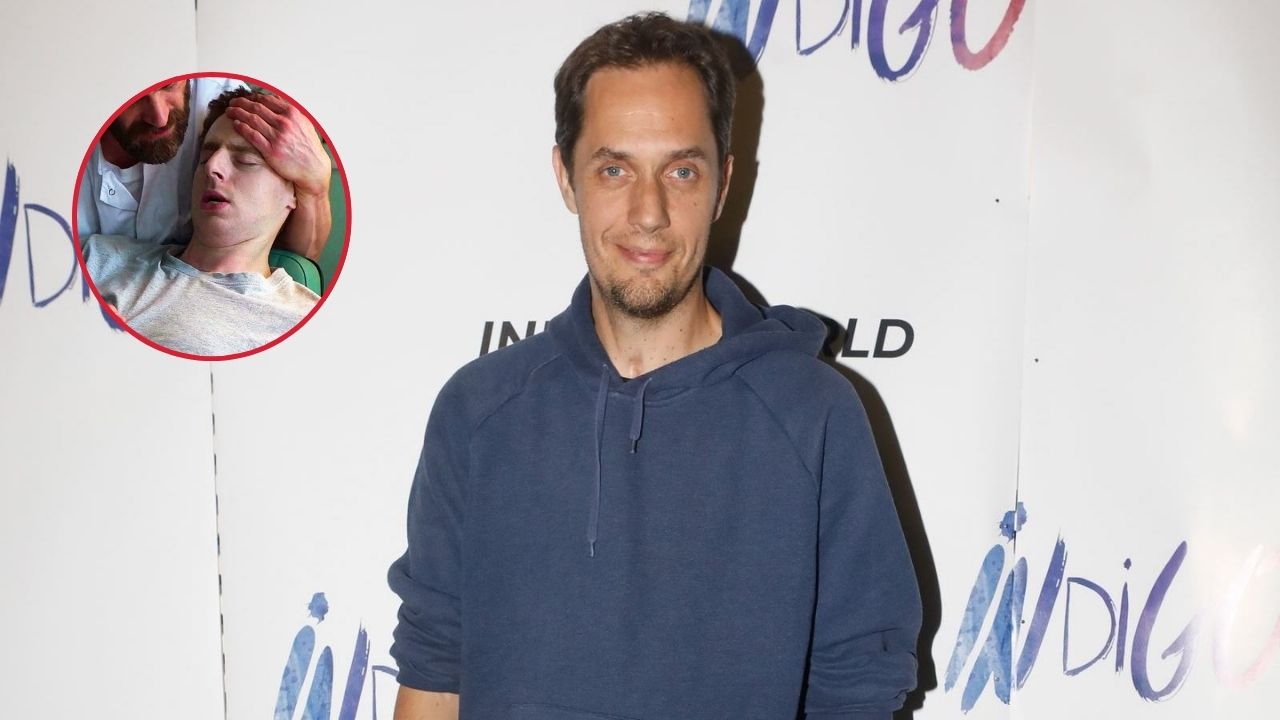
French artist Grand Corps Malade is widely recognized for bringing slam poetry into the mainstream in France. Behind his success lies a powerful personal story marked by a devastating accident, a long recovery, and an inspiring reinvention of his future. The man known today as Grand Corps Malade, whose real name is Fabien Marsaud, experienced a life-changing event at just 19 years old that completely altered the course of his life.
A Summer Day That Changed Everything
On July 16, 1997, Fabien Marsaud was working as a summer camp counselor in Saint-Jean-de-Monts, a coastal town in western France. During what seemed like an ordinary day, he dove into a swimming pool that did not contain enough water for a safe dive.
His head struck the bottom of the pool with tremendous force. The impact fractured a cervical vertebra in his neck, causing severe damage to his spinal cord. The injury immediately left him tetraplegic, meaning he lost movement in all four limbs.
What began as a routine summer activity instantly became a life-threatening emergency.
Emergency Treatment and Critical Condition
Following the accident, emergency services quickly transported Marsaud by helicopter to a hospital. His condition was extremely serious.
The young athlete spent approximately three months in a coma while doctors worked to stabilize him. Medical professionals initially delivered grim predictions regarding his future. According to reports shared by the artist over the years, doctors believed he would likely remain permanently paralyzed and would never walk again.
For a teenager who had built much of his identity around sports and physical activity, the prognosis was devastating.
The Long Road to Recovery
After leaving the coma, Marsaud faced an intense rehabilitation process. He spent more than a year in specialized medical facilities, undergoing extensive physical therapy and rehabilitation exercises.
Recovery was slow and filled with challenges. Everyday movements that many people take for granted became difficult goals that required determination and patience.
Despite the bleak expectations, his persistence gradually produced results. By 1999, he had regained partial use of his legs. Although he did not fully recover, he achieved something many had considered impossible.
Today, Grand Corps Malade is able to walk with the assistance of a crutch, a testament to years of effort and resilience.
Dreams Interrupted
Before the accident, Marsaud was a talented athlete with ambitious plans for the future. Basketball was one of his greatest passions, and he hoped to pursue a professional sporting career. He also considered becoming a sports teacher.
The spinal cord injury forced him to abandon those aspirations. Physical limitations made it impossible to continue along the path he had imagined since childhood.
Many people facing such circumstances struggle to rebuild their identity. Marsaud chose a different approach. Rather than allowing the injury to define his future, he searched for a new way to express himself.
Discovering Slam Poetry
In the early 2000s, Marsaud found a creative outlet in slam poetry. The spoken-word art form allowed him to transform personal experiences, observations, and emotions into powerful performances.
His distinctive voice, thoughtful storytelling, and authentic style quickly attracted attention. Audiences connected with the honesty of his work and the way he addressed life’s challenges without self-pity.
As his reputation grew, he became one of the most influential figures in the French slam movement. His performances helped introduce a wider audience to a genre that had previously remained relatively niche.
Meaning Behind the Name
The stage name “Grand Corps Malade” translates roughly to “Tall Sick Body” in English.
The name reflects two important aspects of his identity. First, it references his height of approximately 1.94 meters (6 feet 4 inches). Second, it acknowledges the lasting effects of the accident and his physical disability.
Rather than hiding from his condition, Marsaud incorporated it into his artistic identity. The name serves as a reminder of both vulnerability and strength, themes that frequently appear in his work.
Turning Experience Into Art
Years after the accident, Grand Corps Malade transformed his rehabilitation experience into literature. In 2012, he published the autobiographical novel Patients, which recounts his time in a rehabilitation center and the relationships he formed during recovery.
The book resonated with readers because of its honesty, humor, and emotional depth. Instead of focusing solely on suffering, it highlighted friendship, resilience, and hope.
The success of the novel eventually led to a film adaptation.
Success on the Big Screen
In 2017, Patients was adapted into a feature film co-directed by Grand Corps Malade himself. The movie received critical acclaim and introduced his story to an even broader audience.
Viewers praised the film for its realistic portrayal of rehabilitation and its refusal to rely on clichés. It showcased the emotional and physical challenges faced by people recovering from severe injuries while emphasizing the importance of perseverance.
The film became one of the most meaningful projects of his career and further cemented his reputation as a storyteller.
A Story of Resilience
The accident that nearly ended Fabien Marsaud’s dreams ultimately opened the door to a different future. While he never returned to the athletic career he once envisioned, he found success as a poet, author, filmmaker, and performer.
Grand Corps Malade’s journey demonstrates how life can change in an instant, but it also shows the power of determination and adaptation. Nearly three decades after the accident, he remains an inspiring figure whose work continues to touch audiences across France and beyond.
His story is not simply about surviving a tragedy—it is about creating a new purpose when everything seems lost.