One of British racing’s most respected jockeys will be absent from Royal Ascot for the first time in his distinguished career as Jim Crowley continues his lengthy recovery from a devastating racecourse accident that nearly ended his life.
The former champion jockey confirmed that he will not participate in the 2026 Royal Ascot meeting, admitting he has not yet regained the strength required to compete at the highest level. His decision comes more than nine months after a horrific fall at York Racecourse left him with multiple serious injuries and a long road to recovery.
For racing fans, Crowley’s absence highlights the physical risks jockeys face every time they step into the saddle.
The Accident at York
The incident occurred on September 7, 2025, during the Garrowby Stakes at York Racecourse.
Crowley was riding Almeraq, one of the leading contenders in the race. As the field approached the closing stages, the race took a dramatic turn.
Reports indicated that Almeraq became short of racing room approximately one furlong from the finish line. The horse clipped heels with another runner, causing a sudden loss of balance.
Within seconds, Almeraq crashed to the turf, sending Crowley to the ground. The situation became even more dangerous when the horse rolled over him during the fall.
The frightening accident unfolded in front of spectators and fellow competitors, immediately raising concerns about the jockey’s condition.
A Chain-Reaction Fall
The accident did not involve only one horse.
As Almeraq fell, another runner, Tiger Bay, was unable to avoid the incident and was also brought down.
Tiger Bay’s jockey, Trevor Whelan, was thrown from his mount and landed heavily on the track.
Fortunately, both horses escaped without major injuries, and Whelan avoided life-threatening harm. However, the focus quickly shifted to Crowley, whose injuries appeared far more severe.
Medical teams rushed onto the course within moments, recognizing the seriousness of the situation.
Critical Injuries Revealed
Following the accident, Crowley was transported to Leeds General Infirmary for emergency treatment.
Doctors soon discovered that the injuries were extensive.
Among the most serious issues was internal bleeding, a condition that can quickly become fatal without immediate intervention.
Medical examinations also revealed multiple fractures, including significant breaks to his tibia and fibula. In addition, he suffered major pelvic injuries that required specialized surgical treatment.
The combination of internal trauma and orthopedic damage created a complex medical challenge for surgeons.
The severity of the injuries shocked many within the racing industry, particularly given Crowley’s reputation for toughness and resilience throughout his career.
Emergency Surgery Saves His Life
Trauma specialists moved quickly after Crowley arrived at the hospital.
The initial priority was controlling the internal bleeding that posed an immediate threat to his life. Once doctors stabilized that condition, attention turned to repairing the fractures sustained during the fall.
Several procedures were required to stabilize damaged bones and support the recovery process.
The first weeks after surgery were particularly difficult as Crowley began dealing with pain management, limited mobility, and the uncertainty surrounding his future in racing.
While supporters hoped for a quick return, medical professionals warned that recovery from such injuries would require patience and extensive rehabilitation.
Recovery Takes Longer Than Expected
As the 2026 season approached, there was optimism that Crowley might return to riding during the early months of the campaign.
However, recovery proved more complicated than originally anticipated.
While his fractured bones gradually healed, another issue emerged involving a tendon injury in his leg.
The complication ultimately required a second operation in March 2026, forcing another delay to his planned comeback.
The additional procedure meant restarting parts of the rehabilitation process and extending the timeline before he could safely return to competitive riding.
For an athlete whose profession depends on balance, strength, and split-second reactions, returning too early was never considered an option.
Missing Royal Ascot
Royal Ascot is one of the most prestigious events in global horse racing and has played a significant role throughout Crowley’s career.
His absence from the 2026 meeting is particularly notable because it marks the first time he has missed the famous five-day festival due to injury.
Crowley acknowledged that although progress has been made, race riding remains beyond his current physical capabilities.
Speaking about his condition, he explained that he is still rebuilding strength and confidence following months of rehabilitation.
Competing at Royal Ascot requires peak fitness, and he believes returning before reaching that level would be both unsafe and unrealistic.
The decision was undoubtedly disappointing but reflects his commitment to making a complete recovery.
Rehabilitation Continues
Despite the setbacks, Crowley’s recovery has steadily moved forward.
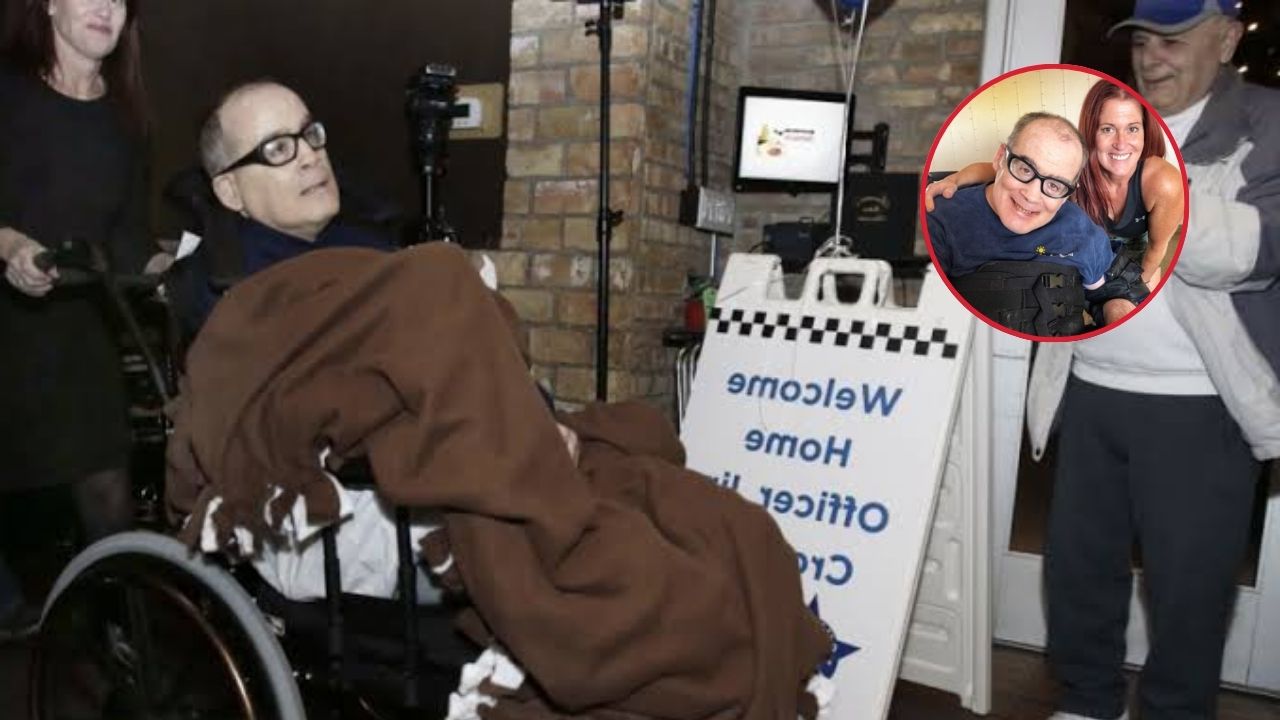
He is no longer dependent on a wheelchair and has regained the ability to bear weight on the injured leg.
Much of his rehabilitation now focuses on rebuilding muscle strength and improving mobility.
Upper-body conditioning has remained a major part of his routine, allowing him to maintain overall fitness while gradually increasing workload on his lower body.
The process demands consistency and discipline, qualities that have defined Crowley throughout his professional career.
Medical experts continue monitoring his progress as he works toward a return to competitive action.
Support From the Racing World
Throughout his recovery, Crowley has received widespread support from trainers, owners, jockeys, and racing fans.
Many within the industry recognize not only his achievements but also the determination he has shown during one of the toughest periods of his life.
Messages of encouragement have continued to arrive from across the racing community, reflecting the respect he has earned over many years in the sport.
His recovery journey has also served as a reminder of the dangers jockeys face despite advances in safety equipment and medical care.
Looking Ahead
Although Crowley has not announced a firm return date, his focus remains on regaining full fitness rather than rushing back into competition.
The experienced jockey understands that race riding places enormous demands on the body, particularly after injuries as severe as those he suffered at York.
For now, his priority is strengthening his leg, improving mobility, and ensuring that when he does return, he can compete safely and effectively.
While Royal Ascot 2026 will proceed without one of racing’s most familiar figures, many within the sport remain confident that Jim Crowley’s story is not finished. His recovery continues, and the hope throughout racing is that one of the sport’s most accomplished riders will eventually make a successful return to the saddle.