
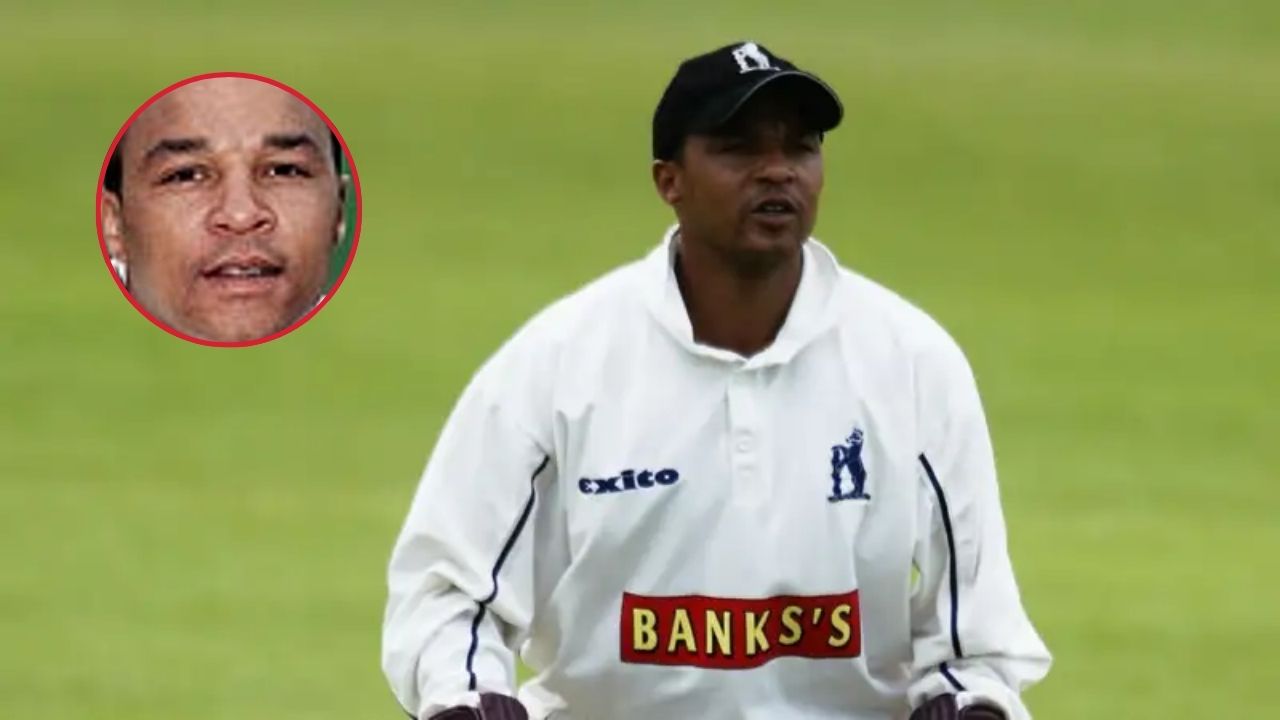
Former England domestic cricket wicketkeeper Keith Piper has died at the age of 56 following a battle with cancer. His passing was officially confirmed on June 10, 2026, bringing an end to a private illness he had been facing away from public attention.
At the time of announcement, the exact details of his medical condition were not widely disclosed beyond confirmation that cancer was the cause of death.
Cause of Death Confirmed as Cancer
Reports from cricket authorities and media outlets confirmed that Piper died after a private struggle with cancer. No further specific details regarding the type or duration of the illness have been made public.
His family and former club requested privacy, emphasizing that he had chosen to keep his health battle out of the spotlight. The announcement of his death therefore came as a shock to many in the cricketing world.
A Sudden Loss for the Cricket Community
Although Piper had been away from professional cricket for many years, news of his passing triggered widespread tributes across English cricket.
Former teammates, coaches, and fans described him as a respected figure in the dressing room and a key part of one of Warwickshire’s most successful eras. His death at 56 has been widely described as far too early, especially for someone still remembered so fondly within the sport.
Warwickshire’s Treble-Winning Hero
Piper’s legacy is strongly tied to his time with Warwickshire County Cricket Club, where he played a central role for over 16 years.
He was part of the club’s historic 1994 season when Warwickshire achieved a rare domestic treble. That campaign remains one of the most celebrated in English county cricket history, and Piper’s contributions as wicketkeeper were considered vital to the team’s success.
His reliability behind the stumps and consistency in pressure situations made him a trusted figure throughout that dominant period.
Historic Partnership with Brian Lara
One of the most iconic moments associated with Piper came during the same 1994 season, when he shared a record-breaking partnership with West Indies batting legend Brian Lara.
In a match against Durham, Piper scored an unbeaten 116, while Lara produced his world-record 501 not out. Together, they built an extraordinary 322-run partnership that became part of cricket history.
Although Lara’s innings took global headlines, Piper’s contribution remains a key part of that unforgettable performance.
Reputation as a Specialist Wicketkeeper
Throughout his career, Piper earned recognition as one of the most dependable wicketkeepers in English domestic cricket during the 1990s.
He was known for sharp reflexes, athletic movement, and consistent glovework in long county seasons. Over his first-class career, he claimed more than 500 catches, reflecting both longevity and technical skill behind the stumps.
His performances also earned him opportunities with England A, where he toured internationally and further showcased his abilities at a higher competitive level.
Playing Career and Longevity
Piper’s professional career spanned nearly two decades, primarily with Warwickshire. He became a stable presence in the squad during a period when county cricket was highly competitive and featured several international stars.
His ability to maintain form across long seasons made him a valuable team member, even when batting opportunities were limited compared to specialist batsmen.
While he was never a long-term fixture in the senior England side, his domestic performances ensured he remained a respected figure in English cricket circles.
Transition Into Coaching
After retiring from playing in 2005, Piper moved into coaching roles within the sport.
He worked with Warwickshire’s Second XI and later contributed to player development programs, helping guide younger cricketers transitioning into professional county cricket. His experience as a long-serving wicketkeeper made him a valuable mentor for emerging players.
He later took on coaching responsibilities at Leicestershire County Cricket Club, where he continued to support elite development pathways.
Tributes from Former Teammates
Following confirmation of his death, tributes poured in from across English cricket. Former teammates described him as calm, hardworking, and deeply committed to the team environment.
Many highlighted not only his skill as a wicketkeeper but also his personality off the field—often described as warm, grounded, and supportive of younger players entering the squad.
Warwickshire, in particular, acknowledged his role in shaping one of the most successful eras in the club’s history.
A Quiet Battle Away from Public View
One of the most notable aspects of Piper’s final years is that his illness remained private. He did not publicly disclose details of his condition, and many within the cricket community were unaware of the seriousness of his health battle until his passing was announced.
This privacy has been respected by both clubs and media outlets, with tributes focusing on his career rather than medical details.
Legacy in English County Cricket
Keith Piper’s legacy is closely tied to Warwickshire’s golden era in the 1990s. His contributions as a wicketkeeper, combined with his role in historic matches, ensure his place in county cricket history.
Beyond statistics, he is remembered as part of a team that defined an era of English domestic dominance, and as a player who performed consistently in high-pressure moments.
Remembering a Respected Cricket Professional
While his cause of death has been confirmed as cancer, the focus across the cricket world remains on his achievements and influence on the game.