
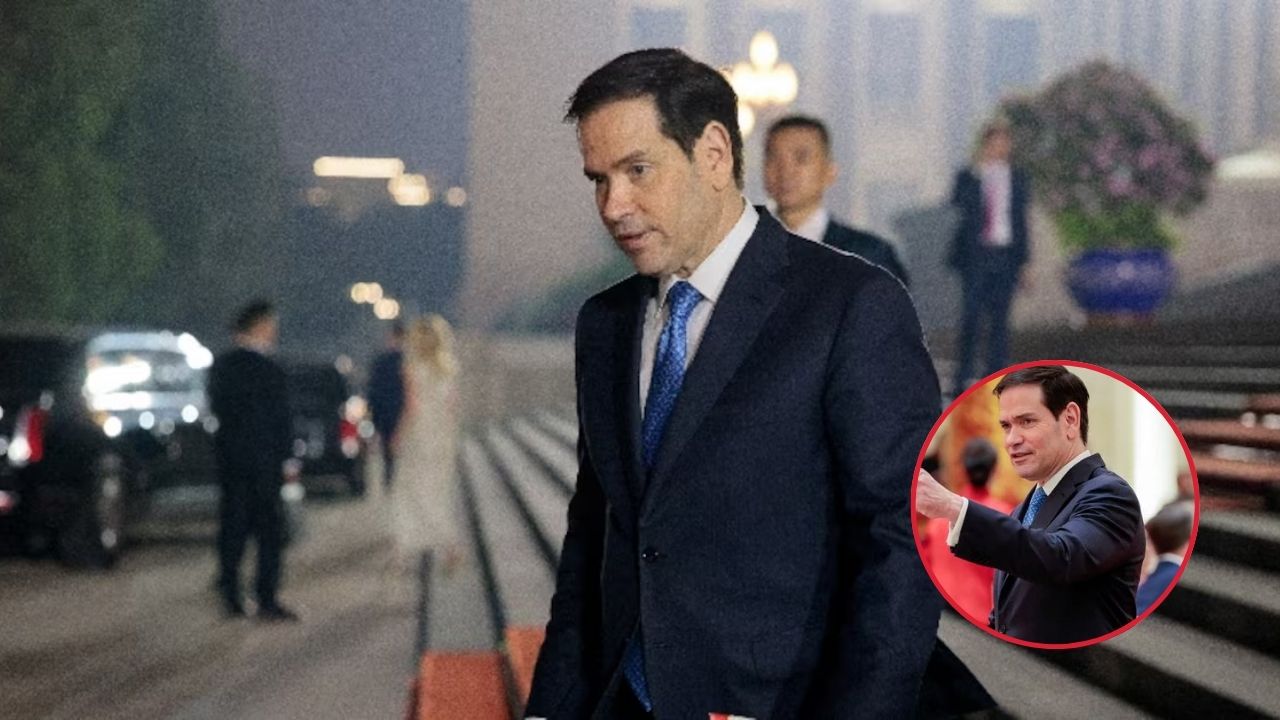
U.S. Secretary of State Marco Rubio has embarked on a diplomatic trip to Sweden and India, with discussions expected to focus heavily on security cooperation, energy partnerships, and broader geopolitical challenges. The visit comes at a time when global leaders are increasingly seeking stronger alliances to address economic uncertainty, evolving security threats, and shifting energy markets.
The trip highlights Washington’s continued efforts to strengthen relationships with key international partners while advancing strategic interests in both Europe and the Indo-Pacific region. By engaging with officials in Sweden and India, Rubio aims to reinforce cooperation on issues that have become central to global stability and economic growth.
As international competition intensifies and energy security remains a major concern for many nations, the visit underscores the growing importance of diplomatic engagement in shaping future partnerships.
Focus on Security Cooperation
Security is expected to be one of the primary topics during Rubio’s meetings with leaders in both countries.
In Sweden, discussions are likely to center on regional security developments and cooperation among Western allies. The Nordic nation has become increasingly important in broader European defense planning, particularly amid changing security dynamics across the continent.
American officials continue to emphasize the importance of strong partnerships with European allies to address emerging challenges. Defense collaboration, intelligence sharing, and coordinated responses to security concerns remain critical components of these relationships.
During the India portion of the trip, security discussions are expected to focus on strategic cooperation in the Indo-Pacific region. Both nations have strengthened defense ties in recent years as they seek to promote regional stability and maintain open trade routes.
The meetings are likely to explore opportunities for deeper collaboration in areas including maritime security, defense technology, and military coordination.
Energy Partnerships Take Priority
Energy security is another major theme of the diplomatic visit.
Countries around the world continue to face challenges related to energy affordability, supply chain resilience, and long-term sustainability. Governments are increasingly looking for reliable partnerships that can support economic growth while ensuring stable energy supplies.
Sweden has developed a strong reputation for innovation in clean energy technologies and sustainable infrastructure. Discussions may include opportunities for cooperation in renewable energy development, energy efficiency initiatives, and emerging technologies designed to reduce emissions.
In India, energy demand continues to rise as the country’s economy expands. Policymakers are focused on balancing growth objectives with energy security and environmental goals.
The United States and India have worked together on a range of energy-related initiatives in recent years, and the visit could provide an opportunity to strengthen cooperation in areas such as clean energy investment, infrastructure development, and advanced technology deployment.
Strengthening Strategic Relationships
Beyond specific policy issues, the trip serves a broader diplomatic purpose: strengthening long-term relationships with two important international partners.
Sweden and India occupy distinct but significant positions within U.S. foreign policy. Sweden plays an influential role in European affairs, while India remains one of the world’s largest democracies and fastest-growing major economies.
American officials view strong partnerships as essential for addressing complex global challenges. From economic resilience to technological competition, international cooperation increasingly shapes how governments respond to evolving circumstances.
Rubio’s meetings are expected to emphasize shared interests and the benefits of closer engagement across multiple sectors.
Diplomatic visits of this nature often provide opportunities to build consensus, resolve concerns, and identify new areas for collaboration.
Economic Issues on the Agenda
Economic cooperation is also expected to feature prominently during discussions.
Global markets continue to experience uncertainty stemming from geopolitical tensions, supply chain disruptions, and changing trade patterns. Governments are seeking ways to strengthen economic resilience while encouraging investment and innovation.
Sweden remains an important center for technology, manufacturing, and research-driven industries. Cooperation between American and Swedish businesses contributes significantly to trade and investment flows between the two countries.
India’s growing economy presents substantial opportunities for international partnerships across sectors including technology, infrastructure, manufacturing, and energy.
Officials are expected to explore ways to expand economic engagement and support business opportunities that benefit all parties involved.
Economic discussions may also address broader issues such as technological development, digital infrastructure, and workforce growth.
Regional Challenges Discussed
The visit takes place against a backdrop of significant regional and global developments.
European leaders continue to navigate security concerns, economic pressures, and evolving geopolitical relationships. Close coordination among allies remains a key priority as governments seek to address these challenges collectively.
Meanwhile, the Indo-Pacific region continues to attract increasing attention from policymakers worldwide. Economic growth, strategic competition, and maritime security concerns have elevated the region’s importance in international affairs.
India plays a central role in many regional discussions, making cooperation with New Delhi a major component of U.S. diplomatic strategy.
By engaging with both Sweden and India, Rubio is expected to reinforce America’s commitment to working closely with partners in different regions of the world.
Diplomatic Engagement Continues
Foreign policy experts often note that regular high-level engagement helps strengthen trust between governments and creates opportunities for deeper cooperation.
Meetings involving senior officials allow countries to address immediate concerns while also developing frameworks for future collaboration. These discussions can help align priorities and facilitate progress on shared objectives.
Rubio’s trip reflects the continued importance of diplomacy in managing international relationships. Security, energy, trade, and technology are increasingly interconnected, requiring governments to coordinate their efforts across multiple policy areas.
The outcomes of the meetings may influence future cooperation initiatives and help shape bilateral relations moving forward.
Building for the Future
The visit to Sweden and India highlights the growing importance of international partnerships in addressing modern challenges.
Whether focused on security cooperation, energy development, economic growth, or regional stability, the discussions are expected to emphasize practical solutions and shared interests. Both countries represent important partners in different regions, making engagement with their leaders a strategic priority for Washington.
As global issues become more interconnected, diplomatic efforts aimed at strengthening alliances are likely to remain a central feature of international relations.
Rubio’s trip reflects this reality, bringing together discussions on security and energy while reinforcing broader commitments to cooperation, stability, and long-term partnership. The meetings are expected to contribute to ongoing efforts to build stronger relationships and address the challenges shaping the global landscape in the years ahead.