
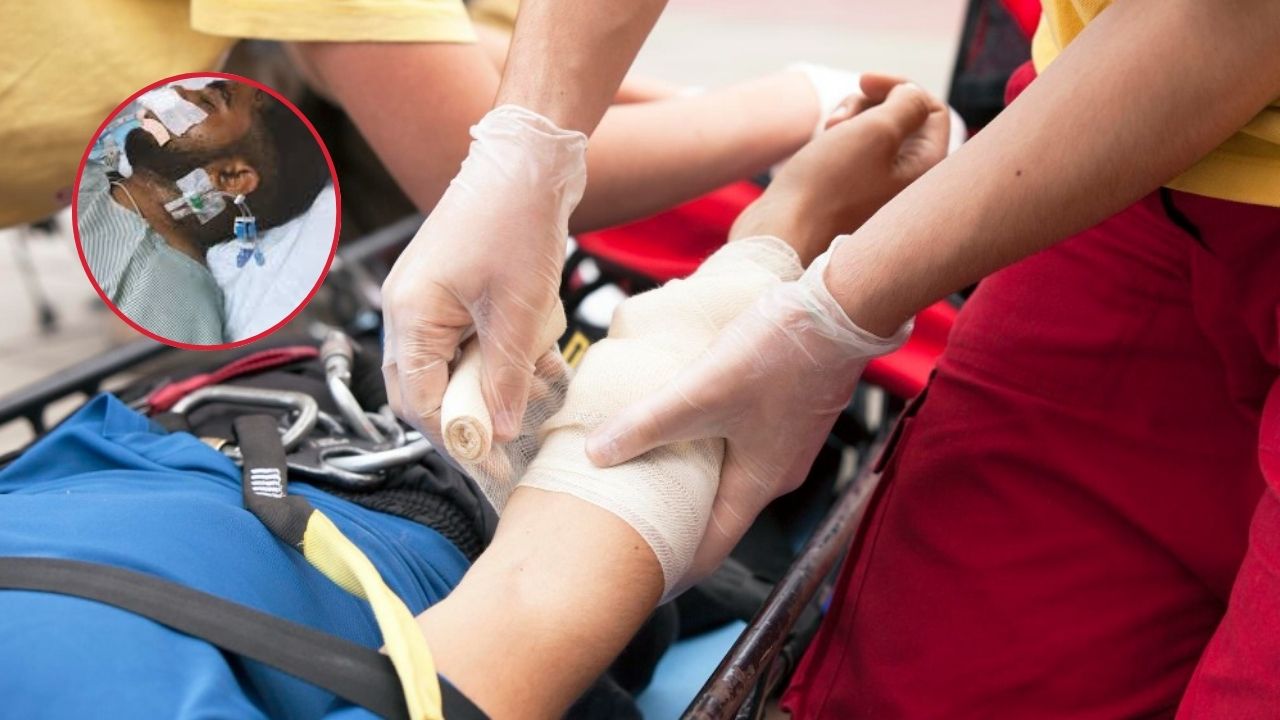
A serious accident can unfold in seconds, leaving bystanders faced with difficult decisions while an injured person waits for professional medical help. When a 23-year-old suffers injuries in a road collision, workplace incident, sports mishap, or fall, the first few minutes often play a crucial role in determining the outcome.
Knowing how to contact emergency services and provide immediate assistance can make a significant difference before paramedics arrive. Quick action, accurate information, and calm decision-making are essential during any emergency situation.
Call Emergency Services Immediately
The first priority after ensuring your own safety is contacting emergency responders.
In India, emergency ambulance assistance can be requested by dialing 102 or 108. If police support is also required because of traffic disruption, public safety concerns, or a serious collision, dial 112 for integrated emergency response.
Avoid assuming someone else has already made the call. Confirm that emergency services have been contacted and provide complete information to the dispatcher.
Share the Exact Location
One of the most common causes of delays in emergency response is incomplete location information.
Provide the precise location where the injured person is found. Mention nearby landmarks, road names, intersections, building names, highway markers, or GPS coordinates if available.
If the accident occurred on a highway, specify the direction of travel and the nearest exit or kilometer marker. Accurate location details help ambulance crews reach the scene faster.
Explain What Happened
Dispatchers need a clear understanding of the incident before sending assistance.
Briefly describe the nature of the accident. For example:
- Vehicle collision
- Motorcycle crash
- Fall from height
- Construction accident
- Sports injury
- Pedestrian struck by a vehicle
A concise description allows emergency personnel to prepare appropriate medical equipment and resources before arrival.
Assess the Victim’s Condition
After calling for help, carefully observe the injured person’s condition.
Check whether the individual is conscious and able to respond. Speak clearly and ask simple questions. If the person answers, note whether they seem confused, disoriented, or in severe pain.
Look for normal breathing. Observe chest movement and listen for breathing sounds. If the victim is unconscious, report this information to emergency services immediately.
Any visible injuries, severe bleeding, or signs of head trauma should also be communicated to responders.
Do Not Move the Patient Unnecessarily
Many accident victims may suffer neck, back, or spinal injuries that are not immediately visible.
Unless there is an immediate danger such as fire, smoke, flooding, or risk of explosion, avoid moving the injured person. Sudden movement can worsen internal injuries and may lead to permanent complications.
Encourage the victim to remain still until trained medical professionals arrive and assess the situation.
Control Serious Bleeding
Heavy blood loss can become life-threatening within minutes.
If there is significant bleeding, use a clean cloth, sterile dressing, or bandage to apply direct pressure to the wound. Maintain firm pressure without repeatedly lifting the cloth to inspect the injury.
If the material becomes soaked, place another layer on top rather than removing the original covering. Continuous pressure helps slow blood loss until medical teams arrive.
Watch for Signs of Shock
Shock is a dangerous condition that can develop after serious injuries.
Warning signs may include:
- Pale skin
- Cold hands and feet
- Rapid breathing
- Weak pulse
- Dizziness
- Confusion
- Excessive sweating
Keep the injured person warm using a blanket, jacket, or extra clothing. Reassure them calmly and encourage slow breathing while waiting for professional care.
Avoid Food and Drinks
Friends and family members often want to offer water to an injured person, but this can create complications.
Accident victims may require emergency surgery or medical procedures that demand an empty stomach. Giving food, water, or medication could increase risks during treatment.
Unless specifically instructed by medical professionals, avoid providing anything to eat or drink.
Keep the Scene Safe
Protecting the victim also means reducing additional dangers around the accident site.
If the incident occurred on a road, activate hazard lights and warn approaching traffic if it is safe to do so. Keep bystanders away from dangerous areas and avoid crowding the injured person.
Look for hazards such as leaking fuel, unstable structures, exposed electrical wires, or fire risks. Inform emergency responders about any threats when they arrive.
Support the Victim Emotionally
A 23-year-old involved in a serious accident may be frightened, confused, or overwhelmed.
Remain calm and speak in a reassuring manner. Let the person know that medical help is on the way and encourage them to stay still.
Simple communication can reduce panic and help keep the victim cooperative until emergency teams take over.
Why the First Minutes Matter
Medical experts often describe the period immediately following a serious injury as the most important phase of emergency care. Quick notification of emergency services, proper first aid, and careful monitoring can prevent complications before hospital treatment begins.
Whether the accident occurs on a busy city road or in a remote location, informed action from witnesses can improve the chances of recovery.
In any emergency involving an injured 23-year-old or any accident victim, remember three priorities: call for professional help immediately, keep the person safe from further harm, and provide basic first aid without taking unnecessary risks. Those simple steps can make a critical difference when every minute counts.