
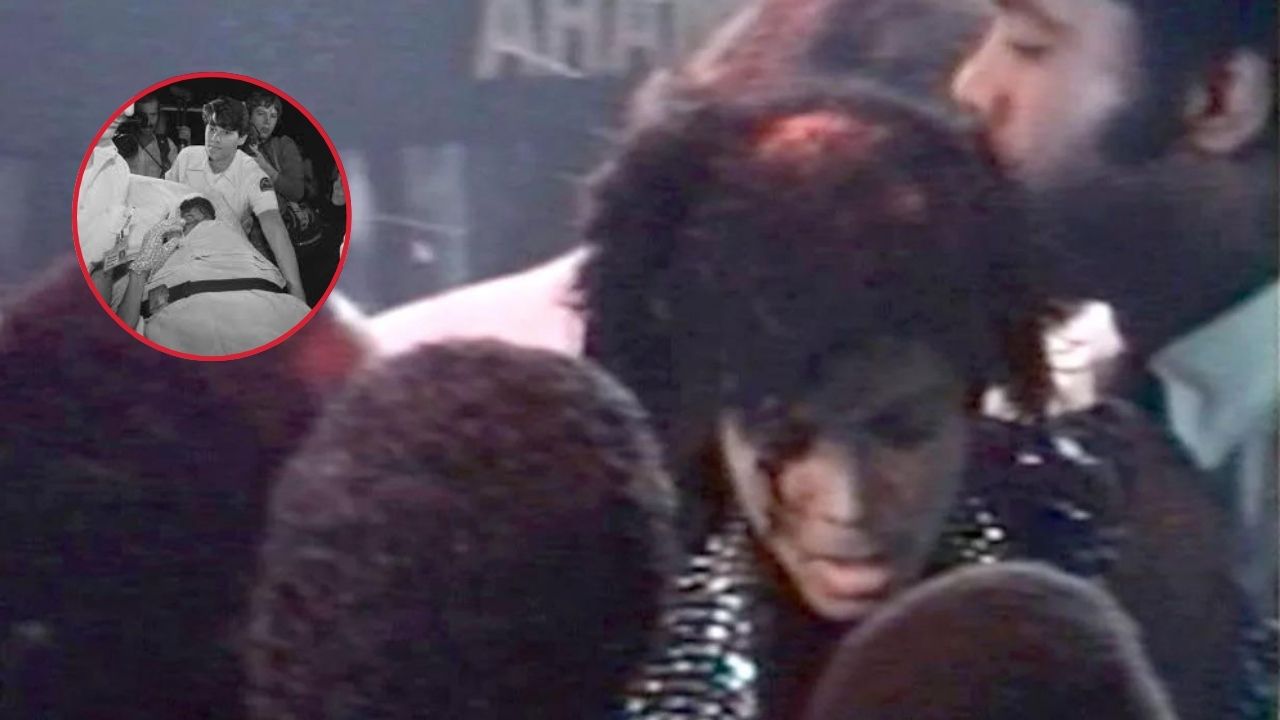
Michael Jackson’s career was filled with record-breaking achievements, unforgettable performances, and global fame. Yet one of the most talked-about incidents of his life occurred not on a concert stage but during the filming of a television commercial. On January 27, 1984, a pyrotechnic malfunction during a Pepsi advertisement left the King of Pop with serious burns to his scalp, creating lasting physical and emotional consequences.
More than four decades later, the accident remains one of the most significant behind-the-scenes moments in entertainment history.
A Major Advertising Event
In early 1984, Michael Jackson was at the peak of his popularity. His album Thriller had become a worldwide phenomenon, and major brands were eager to associate themselves with the superstar.
Pepsi secured a landmark endorsement deal with Jackson and his brothers. The company planned an ambitious commercial featuring a simulated concert performance that would showcase Michael’s energy, dance moves, and signature style.
The commercial was filmed at the Shrine Auditorium in Los Angeles before an audience of invited guests and media representatives.
The Dangerous Sixth Take
The production involved several special effects, including pyrotechnics designed to explode behind Jackson as he performed.
During the sixth take of a segment featuring the hit song “Billie Jean,” something went wrong.
A pyrotechnic device fired earlier than intended. Sparks shot toward Jackson’s head and ignited his hair, which had been treated with styling products commonly used for stage appearances.
The resulting fire spread quickly across the back of his scalp.
Unaware of the Flames
One of the most remarkable aspects of the incident was that Jackson initially did not realize his hair was on fire.
Focused on his performance, he continued dancing for several seconds as flames burned behind his head. Audience members and crew members quickly noticed the danger and rushed toward him.
Production staff managed to extinguish the fire before it caused even more severe injuries. However, the damage had already been done.
The shocking moment was captured on video and later became one of the most widely viewed accident clips in entertainment history.
Serious Burn Injuries
Jackson suffered second-degree and third-degree burns to his scalp. These injuries affected a significant area of skin and required immediate medical attention.
He was transported to a nearby hospital, where doctors evaluated the extent of the burns and began treatment.
Although he was fortunate to avoid life-threatening injuries, the recovery process proved difficult. Severe burns can damage both the skin and underlying tissue, often requiring extensive medical care and ongoing monitoring.
For a performer whose appearance was constantly under public scrutiny, the injury presented both physical and emotional challenges.
Recovery and Medical Treatment
Following the accident, Jackson underwent treatment aimed at healing the damaged scalp tissue.
Reports from the time indicated that he experienced considerable discomfort during recovery. The injury also left permanent scarring on part of his scalp.
Over the years, various biographers and medical experts have discussed the long-term effects of the burn injury. Some accounts suggest that the scar tissue contributed to ongoing scalp sensitivity and may have influenced later medical procedures related to hair restoration.
Regardless of the broader speculation, the accident unquestionably left a lasting mark on Jackson’s health.
Pepsi’s Response
The incident generated widespread media coverage and raised questions about safety measures during the commercial shoot.
Pepsi publicly expressed concern for Jackson’s well-being and worked closely with him following the accident. The company reportedly reached a financial settlement related to the injuries.
Jackson later donated a significant portion of the settlement money to support medical causes, including a burn treatment center. The gesture reflected his desire to turn a painful experience into something positive for others facing serious injuries.
The partnership between Pepsi and Jackson eventually continued despite the accident.
Impact on Public Awareness
The accident highlighted the risks associated with pyrotechnics and special effects in the entertainment industry.
During the 1980s, large-scale productions increasingly relied on visual spectacles to attract audiences. The incident served as a reminder that even carefully planned effects can become dangerous when timing or equipment fails.
In the years that followed, safety standards for pyrotechnic performances received greater attention across television, film, and live entertainment productions.
Many industry professionals point to the Jackson accident as one of the events that encouraged stricter oversight of special effects.
A Lasting Part of Pop Culture History
Although Michael Jackson went on to achieve even greater success after 1984, the Pepsi accident remains one of the defining moments of his career.
The footage continues to be referenced in documentaries, biographies, and discussions about celebrity incidents. For many fans, it represents a rare glimpse of vulnerability in the life of an artist who often seemed larger than life.
The accident also demonstrated Jackson’s professionalism. Despite the severity of the situation, he had remained focused on his performance until others alerted him to the danger.
Remembering the Incident Today
More than 40 years after the accident, the event remains a significant chapter in Michael Jackson’s story. What began as a routine commercial shoot quickly turned into a frightening emergency that could have ended far worse.
Instead, Jackson recovered and continued building one of the most successful careers in music history.
The Pepsi commercial accident serves as a reminder of the hidden risks behind major productions and the resilience of a performer who overcame a serious injury while remaining at the center of global entertainment. Today, it stands as one of the most memorable and widely discussed on-set accidents involving a music superstar.