
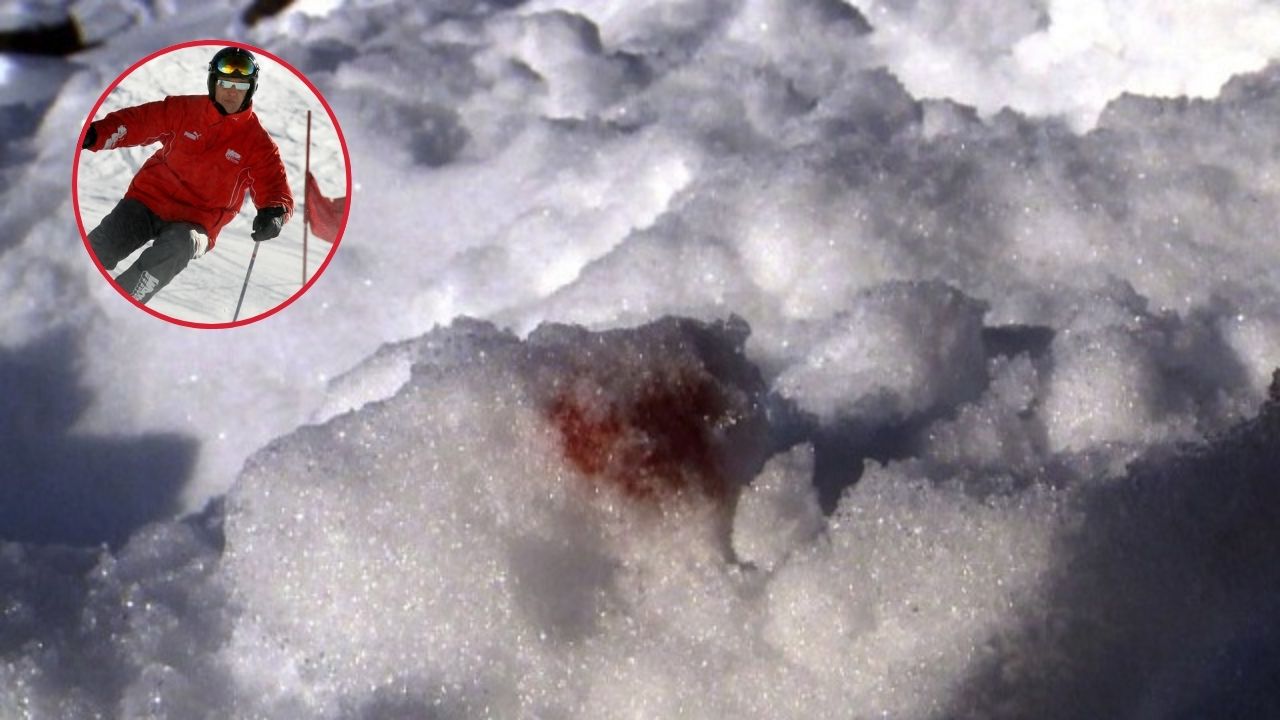
The Michael Schumacher ski accident remains one of the most shocking incidents in sports history. More than a decade after the crash, fans around the world continue to follow updates about the legendary Formula 1 champion’s health and recovery.
On December 29, 2013, Schumacher suffered a devastating brain injury while skiing in the French Alps. The accident transformed the life of one of motorsport’s greatest icons and led to years of medical treatment, rehabilitation, and intense public interest.
Although his family has maintained strict privacy regarding his condition, the story of the accident continues to captivate sports fans and safety experts alike.
A Day That Changed Everything
The accident occurred at the Méribel ski resort in the French Alps. Schumacher was enjoying a family holiday and skiing with his son, Mick Schumacher, who was 14 years old at the time.
While moving through an off-piste section located between marked ski runs, Schumacher encountered a dangerous area where rocks were partially hidden beneath the snow.
As he crossed the terrain, one of his skis struck a concealed rock. The impact caused him to lose control and be thrown forward. He then hit his head on a large boulder with tremendous force.
Despite wearing a high-quality safety helmet, the impact was so severe that the helmet cracked during the collision.
Rapid Rescue Operation
Emergency responders reacted quickly after the accident.
Ski patrol personnel reportedly reached Schumacher within minutes of the crash. Witnesses described him as conscious immediately after the fall, but his condition deteriorated rapidly.
Rescuers soon realized the seriousness of his injuries and requested an emergency helicopter evacuation.
He was initially transported to a nearby medical facility for assessment before doctors decided he required specialized neurological treatment. A second helicopter transfer brought him to the University Hospital of Grenoble, one of France’s leading trauma centers.
The speed of the rescue operation is widely credited with helping to improve his chances of survival.
Life-Threatening Brain Injury
Upon arrival at the hospital, Schumacher’s condition was critical.
Medical examinations revealed severe traumatic brain injuries along with significant swelling and bleeding inside the skull. Doctors immediately performed emergency surgery to reduce pressure on the brain and remove blood clots.
Additional procedures followed as medical teams worked to stabilize his condition.
The situation was described as life-threatening, and physicians faced an enormous challenge in preventing further neurological damage.
For weeks, the world closely monitored updates from the hospital as Schumacher fought for his life.
Months in an Induced Coma
To help protect his brain and support recovery efforts, doctors placed Schumacher in a medically induced coma.
This highly controlled medical approach reduces brain activity and can help limit further injury after severe trauma.
Schumacher remained in this state for more than eight months. Throughout this period, specialists carefully monitored his condition and adjusted treatment plans based on his progress.
In the summer of 2014, medical teams gradually began reducing sedation levels and started the process of bringing him out of the coma.
The lengthy treatment reflected the seriousness of the injuries he had sustained during the skiing accident.
Return to Switzerland
After months of hospitalization and rehabilitation, Schumacher was eventually discharged from medical facilities.
He returned to his family residence in Gland, Switzerland, located near Lake Geneva. The property was adapted to support his ongoing recovery and long-term care needs.
Since then, much of his rehabilitation has taken place away from public view.
The Schumacher family has consistently chosen to keep medical details private, limiting public access to information about his health and daily life.
This approach has been supported by many fans who respect the family’s desire for dignity and privacy during a difficult period.
A Carefully Guarded Recovery
Over the years, occasional reports from individuals close to the family have offered limited insight into Schumacher’s condition.
According to various accounts, he is no longer completely confined to bed and can be assisted into a wheelchair. He reportedly receives around-the-clock care from a team of medical professionals, therapists, and caregivers.
However, communication remains one of the most challenging aspects of his recovery.
People with knowledge of his condition have suggested that he is able to recognize elements of his environment, though his ability to express himself remains significantly affected.
Because official medical updates are rare, much of the public information surrounding his recovery remains limited and carefully controlled.
Family’s Commitment to Privacy
One of the defining aspects of Schumacher’s post-accident journey has been the determination of his family to protect his privacy.
His wife, Corinna Schumacher, has led efforts to ensure that personal medical information remains confidential.
The family has restricted visitors and taken legal action when necessary to prevent unauthorized photographs or health records from being published.
This commitment reflects their belief that Schumacher’s medical condition should remain a private matter rather than a public spectacle.
As a result, only a small circle of trusted individuals has direct access to him.
Impact on Sports and Safety
The accident also sparked broader discussions about skiing safety and protective equipment.
Experts examined the role helmets play in reducing injury risks and highlighted the unpredictable dangers associated with off-piste skiing.
While Schumacher’s helmet likely absorbed a significant portion of the impact, the crash demonstrated that even advanced safety equipment has limits when faced with extreme forces.
The incident encouraged renewed conversations about terrain awareness, risk assessment, and the importance of staying within designated skiing areas whenever possible.
A Legacy Beyond the Accident
Although the skiing accident dramatically changed Schumacher’s life, it has not diminished his place in sporting history.
The German driver remains one of Formula 1’s most successful competitors, winning seven world championships and setting records that inspired generations of racers.
For millions of fans, Michael Schumacher is remembered not only for the tragedy that occurred in 2013 but also for the extraordinary achievements that made him a global motorsport icon.
More than a decade later, his story continues to resonate around the world, serving as both a reminder of life’s unpredictability and a testament to the enduring support of family, friends, and fans.